Cross Training for Dancers
Between the world-record breaking 10 year olds twirling and thumbnails promising the miracle fix for high legs, bendy backs and banana feet, it can be incredibly difficult to discern helpful information from misinformation. Indeed the sea of information social media has afforded us access to seems only to have added confusion to an already daunting world for young dancers.
This blog aims to be the paddle that supports you in wading through such a swamp of information, answering the pressing question: how to cross train for dance?
Choosing a Training Method
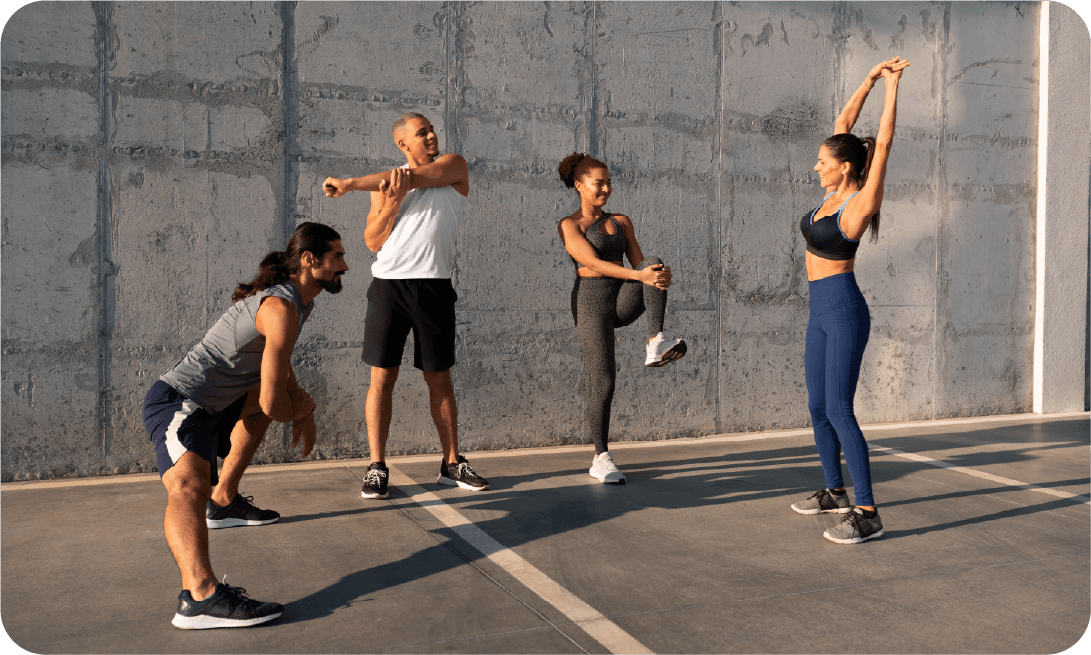
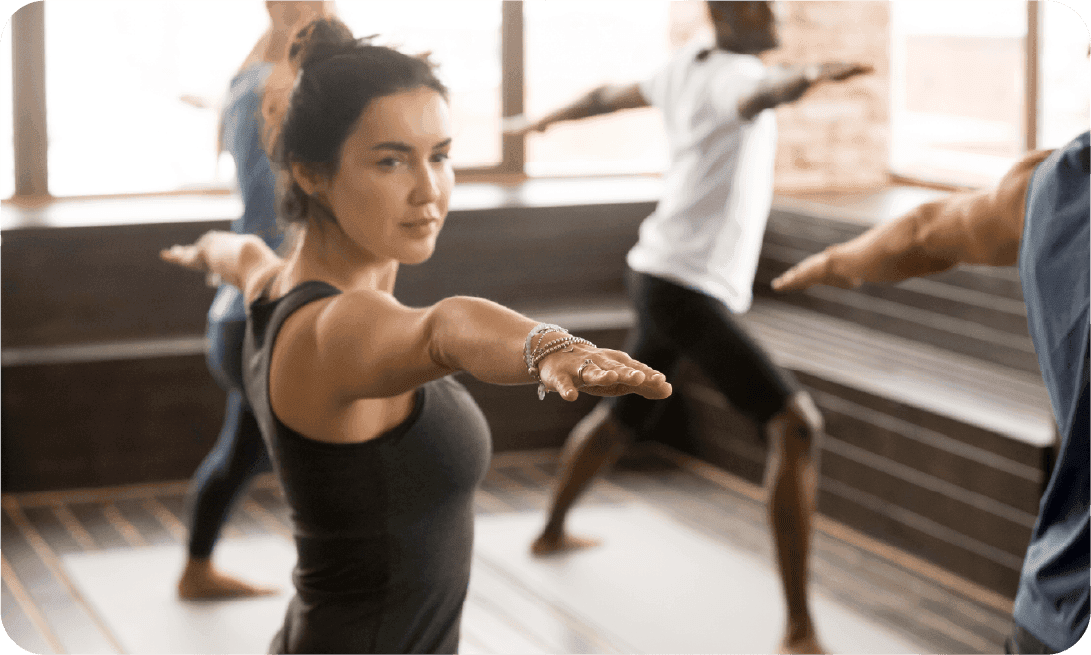
When it comes to cross training there are a number of different avenues one can take with modalities like: yoga, Pilates, distance running, HIIT and strength training all offering different benefits. Understanding which training method to focus on will depend on the individual’s goals and physical needs. Unfortunately, outdated but perseverant myths that claim to attach one modality with one outcome have bullied dancers into thinking that cardio or Yoga is the only way forward. While these methods are great, they should not be the be-all-and-end-all, particularly for dancers looking to enhance their performance..
HIIT Vs Endurance Training
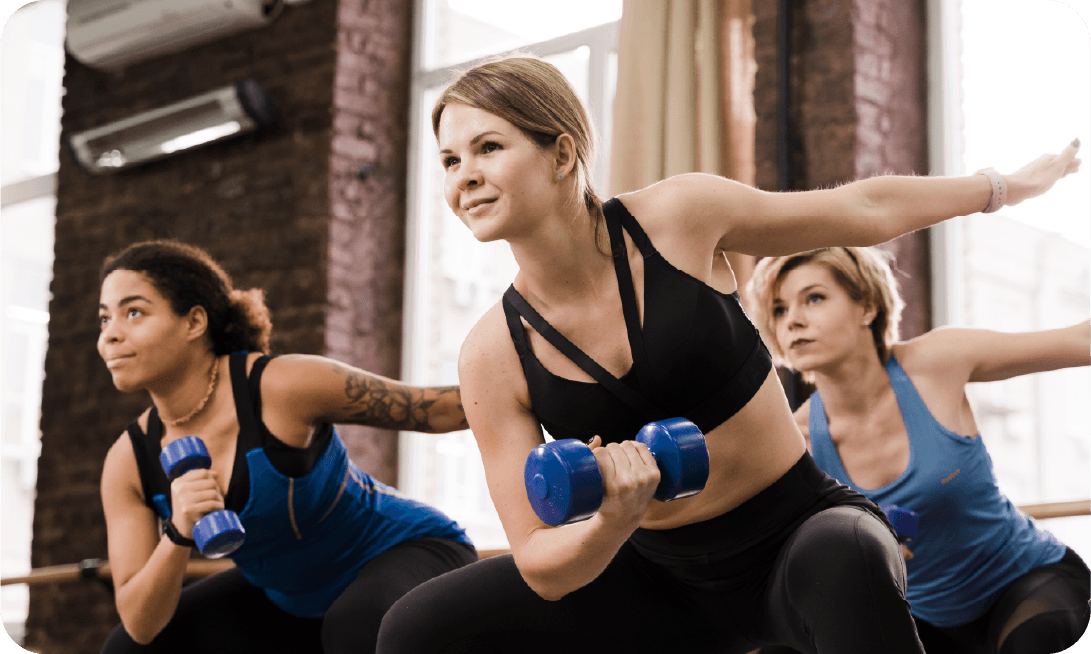
HIIT (high intensity interval training) provides the forum needed for dancers to train their cardiovascular system for the stage. The stop-start nature of the class recalls that of a performance where dancers will perform for 5-25 mins, resting intermittently to form group poses or interact with other dancers on stage. HIIT has been proven to more effectively increase one’s VO2max compared to slow endurance or lactate threshold training.
Aside from being a buzzword thrown about by keen runners and cyclists, VO2max is a brilliant way of measuring cardiovascular health, with a higher VO2max indicating a better level of fitness. VO2 max refers to the maximum amount of oxygen that the body can take in and use during exercise. As oxygen is crucial for efficient ATP (cell’s source for energy) production, the more oxygen one can efficiently extract and use from the blood during exercise, the fitter the individual. As dancers need an extremely high level of fitness, the applications of HIIT training are indisputable.

However, whilst HIIT offers many cardiovascular benefits, it lacks some of the physiological advantages earned through endurance training. Long distance running and other endurance sports build type 1(slow twitch) muscle fibres. These muscle fibres contain large amounts of mitochondria allowing for efficient oxygen transportation, making them less likely to fatigue. HIIT however tends to train type 2a muscle fibres (fast-twitch) which support short high-intensity activities and fatigue quickly. As a dancer’s legs must sustain them for the duration of a four act ballet, the efficient recruitment of type 1 muscle fibres harnessed through endurance training could be a huge asset to performers.
Pilates Vs Strength Training
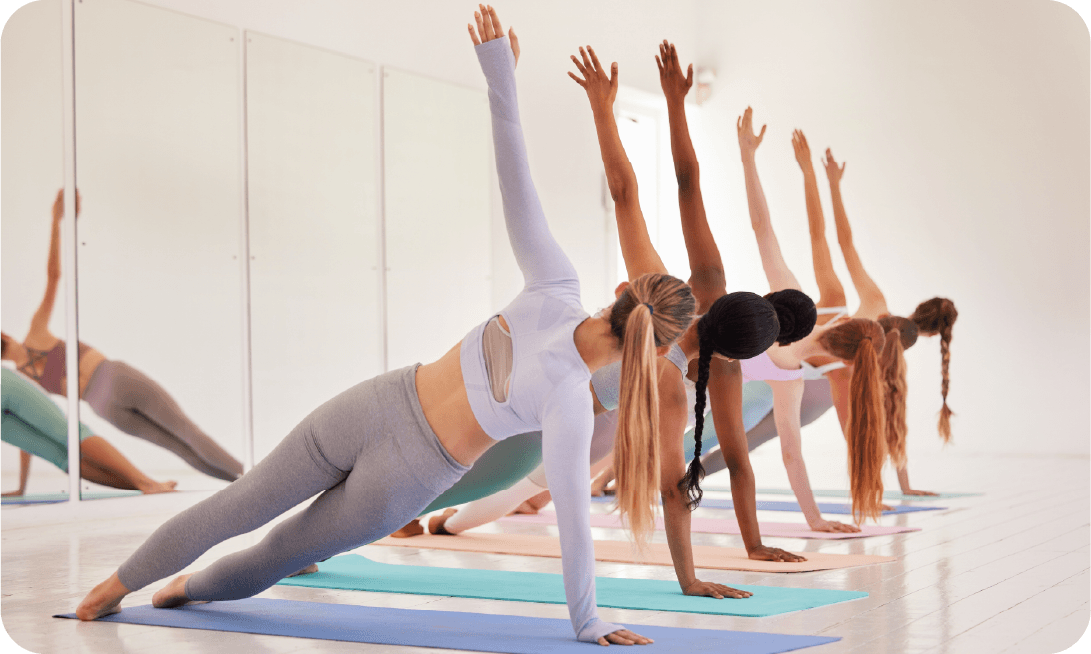
Another popular modality for cross training amongst dancers is Pilates. Offering a choreographic flow similar to that of barre work, Pilates encourages a deeper connection between the mind and body, helping dancers both tune-in and wind down. Not to be scoffed at, Pilates can take both a dynamic taxing form or a more gentle meditative role depending on the class and teacher. As someone who adores and teaches Pilates, my only grievance with the exercise is the fact it has been framed in some online communities as the answer to strength training without bulking.
Whilst Pilates can be incredibly challenging for the core, it does not follow the principles of progressive overload and therefore cannot offer the same objective strength increases as resistance training. In fact, most gains in strength made during Pilates are owed to the mind-muscle connection (MMC) established as this have been proven to optimise muscle fibre recruitment. If the same principles of MMC are applied to weight lifting, measurable strength gains are noticeably greater.
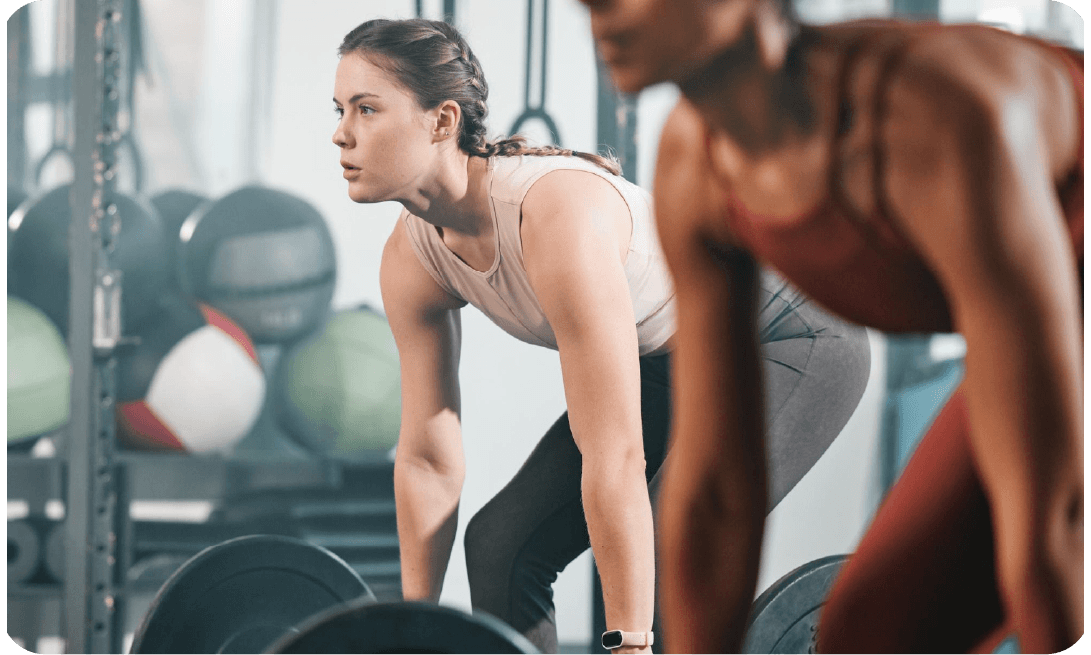
Strength training enacts the science of progressive overload which aims to enlarge the cross-sectional area of individual muscle fibres by steadily increasing the load, frequency or repetitions by up to 10% each week. Through metabolic damage, muscle tension and exercise-induced muscle damage, the trained muscles increase in size and corresponding force-output. Where misinformed dancers typically go wrong is thinking that the moment they pick up a weight, they will turn into the hulk. This is simply not true as in order to gain significant muscle bulk, a person must sustain a calorie surplus and perform heavy resistance exercises. It Is unlikely that dancers will be lifting incredibly heavy loads or eating over their maintenance unless it is required. As a result the threat and accompanying fear of bulking should be minimal. What strength training will do however is improve joint stability, increase bone density and decrease the risk of injury.
The Perfect Cross-Training Plan
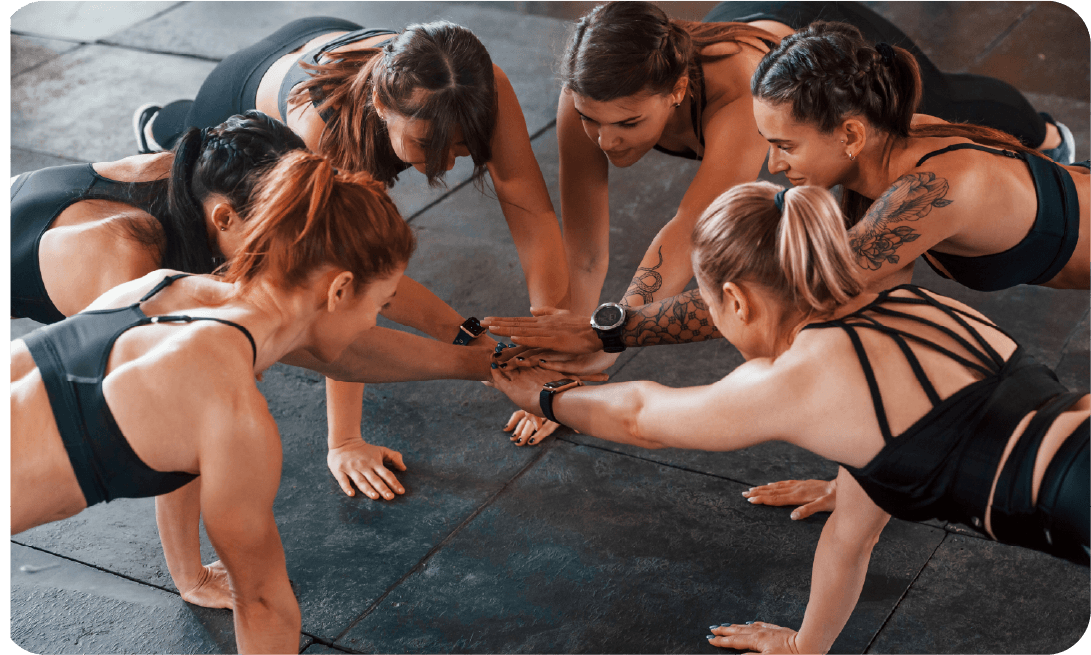
As discussed, each exercise modality offers unique benefits such that one should not be looked at as superior to the other. Ideally, dancers should engage in a mixture of long-distance cardio, HIIT, mind-body exercise and strength training to ensure well-rounded results but the feasibility of this will depend on time-restrictions and affordability. The best way to find what training style will best support your needs is to think about two things: what is missing from your current program? and what needs to be enhanced?
If you are currently engaged in endless rehearsals for a four act ballet then endurance training could be highly beneficial in boosting your stamina for that ballet. Yet, if you find that your body is too tired to do a long run, cycle or swim, after a day of training, why not opt for something low-impact that still demands focus but promotes recovery like Pilates or Yoga. If you are returning from an injury or have noticed a muscular imbalance, weight training will be your closest friend but if you are preparing for a competition, then HIIT will likely serve you best. Importantly, do not exhaust yourself for the sake of working hard or being seen to work hard, any extra training should be there to support your current practice not overload it.
Cross-training with PBT
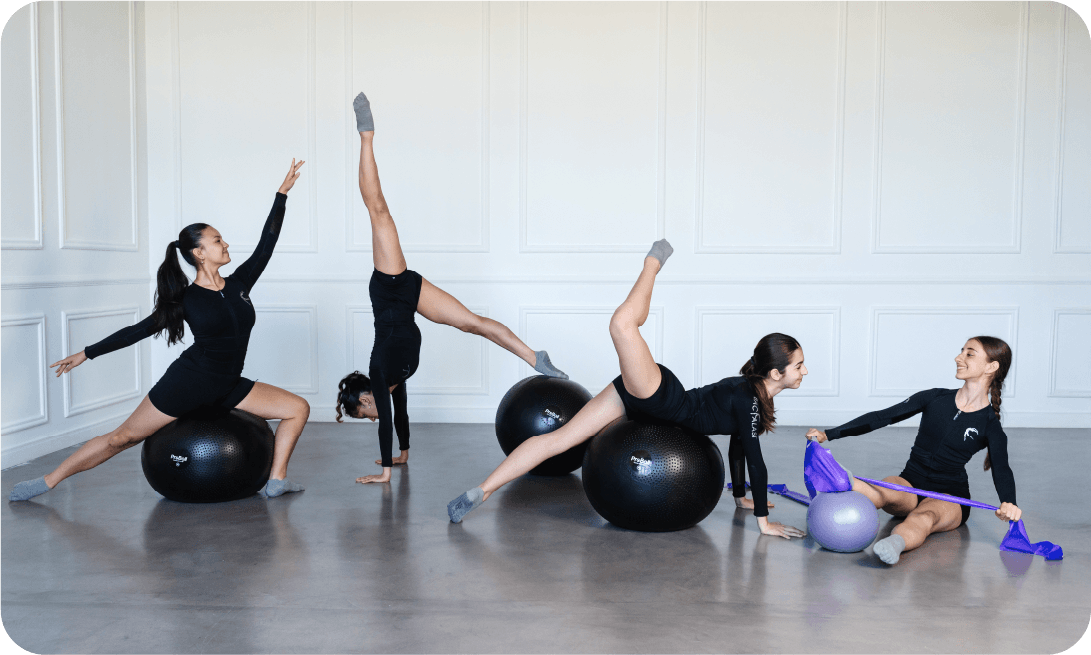
An area of dance often not fulfilled or supplemented in the cross-training space is technique and artistry. You may be an extremely fit individual but it means little in a studio if your technical foundations are weak. As a former believer of ‘I’ll just work harder and everything will get better’ I know this all too well. I used to spend hours after class, pushing myself with every calorie burning YouTube workout I could find, deluding myself into thinking that 32 pistol squats every other day would miraculously cure my jumps. It was only after I was injured and forced to take a step back from exhausting every inch of my body that I understood the importance of training alignment and technique in both preventing future injuries and enhancing my performance.
Prior to PBT, I had participated in online ballet classes and tried ‘dancer-inspired’ workouts but had often felt like I was kicking a dead horse, yearning to be better by doing more but not taking the time to consolidate my foundations with the clarity, quality and precision that PBT nurtured. Safe to say, I fell in love with PBT and the empowerment I felt once better connected with my body.
Takeaways
Though the story I tell may be mine, it is not terribly unique. In fact, dancers from all across the world are reaping the benefits of PBT’s comprehensive program, building solid foundations, correcting imbalances and fine-tuning their alignment with confidence and control. Simply put, for dancers, PBT fills gaps where other cross-training modalities cannot, meeting dancers where they are with their wide range of classes and exercises for all levels. As someone who used to feel stuck with their training, I can say first-hand that PBT is a brilliant way to reconnect, reteach and relearn what it means to be a strong and resilient artist.
Sign up to our newsletter
Receive tips, news, and advice.