How to Safely Return to Dance

Returning to dancing post festivities can be an exciting prospect for many dancers and a daunting one for others. Chances are you had a little boogie here and there in the name of all things holly and jolly, but it is unlikely to have matched the rigor of your usual training regime. How then do you bounce back with the same vivacity and energy that you possessed prior to the December break? Maybe you shouldn’t have taken the break in the first place? Maybe you should have done more during the holiday season?
What to Expect Starting Back
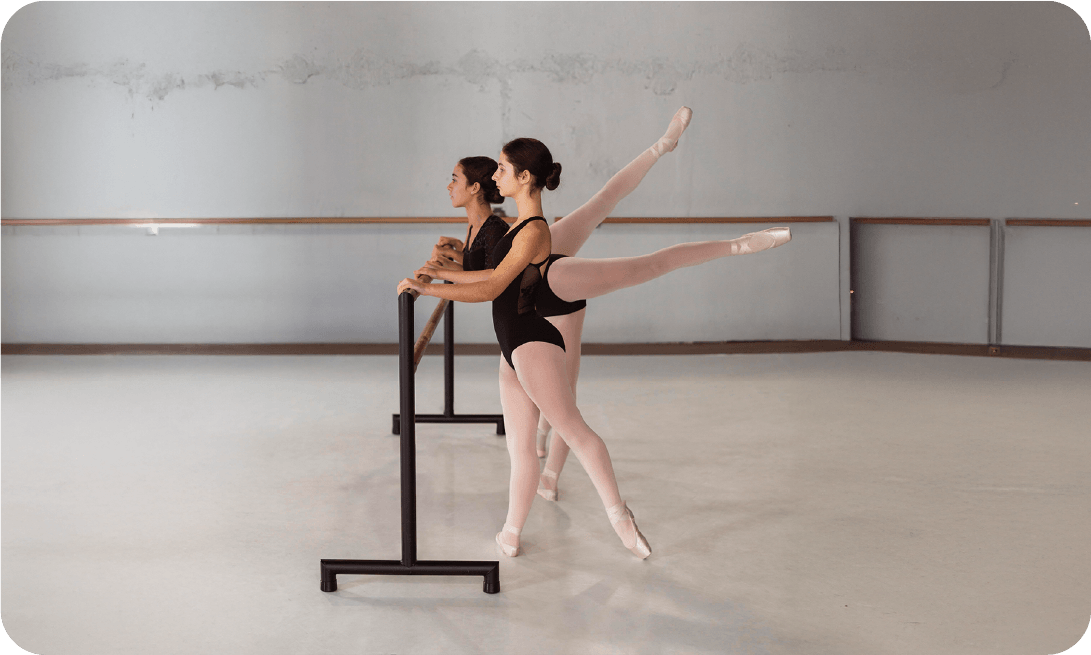
First things first: the rest you hopefully took was well deserved and crucial to optimising your performance in the coming season. Feelings of guilt or shame for indulging yourself while away from the studio will only generate further anxiety. Believe it or not, punishing yourself for an extra Xmas choccy or skipping your usual ankle rises will not expedite your comeback. Instead, think of the break as part of your training, a prerequisite for achieving your new year goals.
Naturally, as a result of your break, you are likely to experience some declines in your muscular strength, physical power and cardiovascular fitness. The extent of these declines will depend on a multitude of factors including: previous fitness level, age and stage of training. Although frustrating, these declines are an essential part of the recovery process and are, I stress, temporary. Safe progressions, gradual overloading and consistent monitoring are crucial to ensuring a speedy and safe return to dance.
Injury Prevention
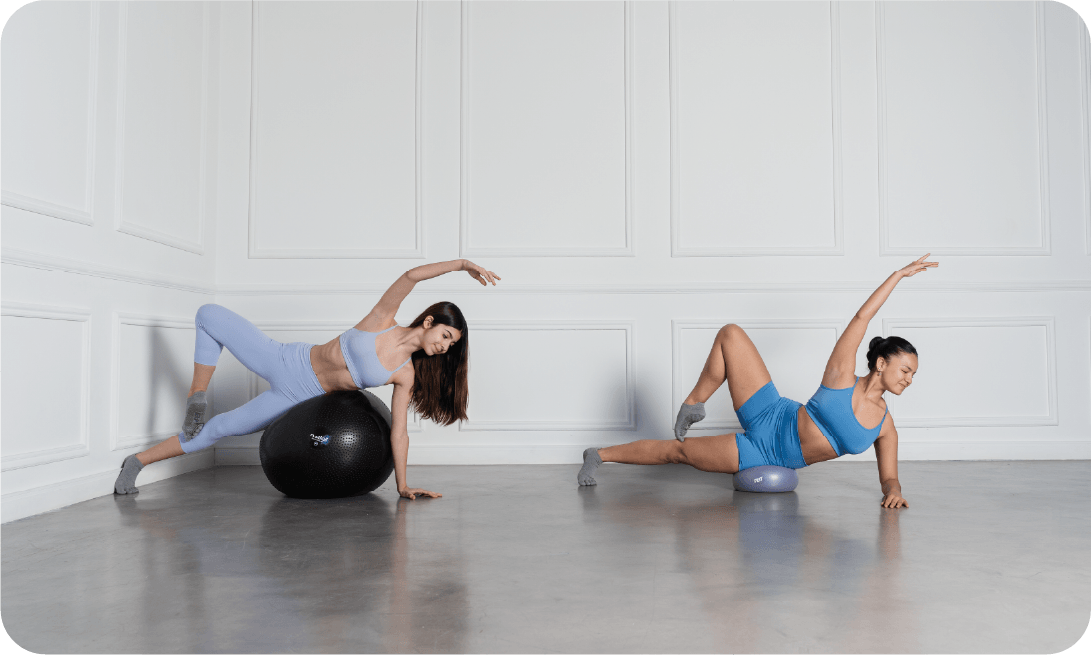
If you were to type into google, ‘common causes for knee, ankle, hip injuries’, it would likely spit back at you a torrent of answers from poor alignment to sudden increases in activity or intensity. Particularly, when coming back to the studio, the latter answer/warning must be observed if not heeded. The essential ‘detraining’ period undergone during the festive season means that the body is no longer accustomed to deal with such loads. Time and gradual progressions in intensity and volume are therefore needed to ensure that the body’s tissues can sufficiently build a tolerance to the increased demand.
Most people, whether they abide by it or not, are well aware of the need to start back slowly but are not so knowledgable as to the ‘how’ of that conundrum. A guideline by most physiotherapists and movement specialists is to start at 50%-70% of the intensity you were at prior to the rest period. This metric is easily implemented in a resistance training or powerlifting setting when the weight lifted can be decreased by 50% or 30% accordingly. However, and possibly the reason for the lack of regularity amongst dancers, bold percentages are not so easily applied or understood in a dance environment. Ask a dancer, ‘give me 50% effort’; more often than not, they will see that as a challenge to push beyond what is expected of them. It is therefore the responsibility of the teachers or maturer dancers to program classes in such a way that only 50%/70% of the dancer’s maximum effort can be exerted.
The confusion further increases when we scrutinise the variable ‘intensity’- one that is not, although related, synonymous with effort. The challenge therefore is: how can we translate intensity in terms of weight, tempo and reps into dancer lingo. The answer: volume, modifications and time.
- Volume refers to the overall load placed on the dancer and can be easily reduced to meet the 50%/70% mark by decreasing the number of exercises in a class or combining similar exercises to make the overall time danced shorter.
- Modifications such as limiting jumps to petit allegro or even barre-supported jumps in the first week back will also help reduce the risk of injury and give the body time to grow accustomed to the stress imposed on it.
Taking more time to warm up and cool down at the start and end of the class respectively will help to ensure that the correct muscle groups are activated prior to performing more complex movements.
In short, dancers returning to work post rest should aim to: perform less complicated movements, reduce joint impact by minimising allegro work and focus on key muscle group activation.
Making Progress

Delayed onset muscle soreness (DOMS) is to be expected following a break from training, particularly during the 48-72 hours post exercise, but pain that persists or worsens with time/exercise is a sign that your body needs you to slow things down. Contrary to how you may feel, soreness can actually be alleviated through gentle movement such as walking or swimming, a form of exercise known as active recovery (more on this in December's blog post) which promotes blood circulation, accelerating cell replenishment and muscle repair.
Implementing rest days is also crucial to expediting your return to optimal performance. As muscle repair and growth occurs during the recovery phase, rest days allow the tissues to sufficiently adapt, reducing the risk of injury and supporting long-term strength gains.
Psychological Recovery
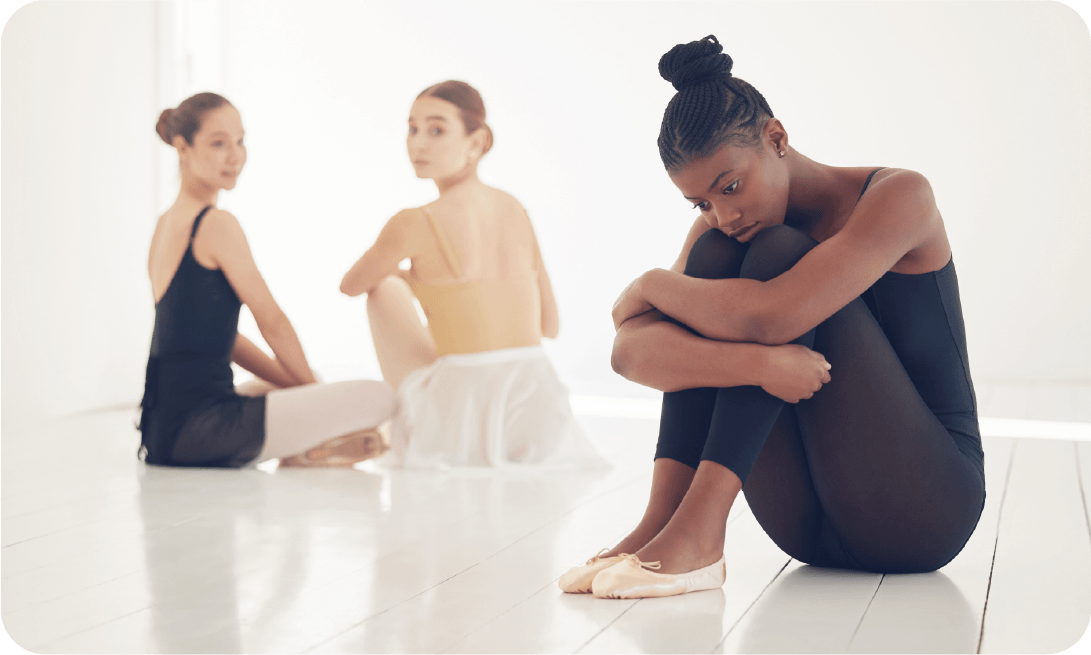
Another less talked about aspect of returning to dance is the mental side of things. Sure the break provides an opportunity to reset and reflect but time-off can often provoke feelings of doubt and anxiety as a result of perceived declines in strength. Elevated fears of injury can slow the adjustment process, delaying progress and limiting results. It is crucial therefore that students feel supported from a psychological standpoint as well as a physical one. Explaining why and how progressions are being made may help to alleviate safety concerns and, offering modifications to exercises without pressuring the student may temporarily relieve pressure, sufficient to bolster the student’s confidence.
How PBT is Helping Dancers Return to Classes Safely
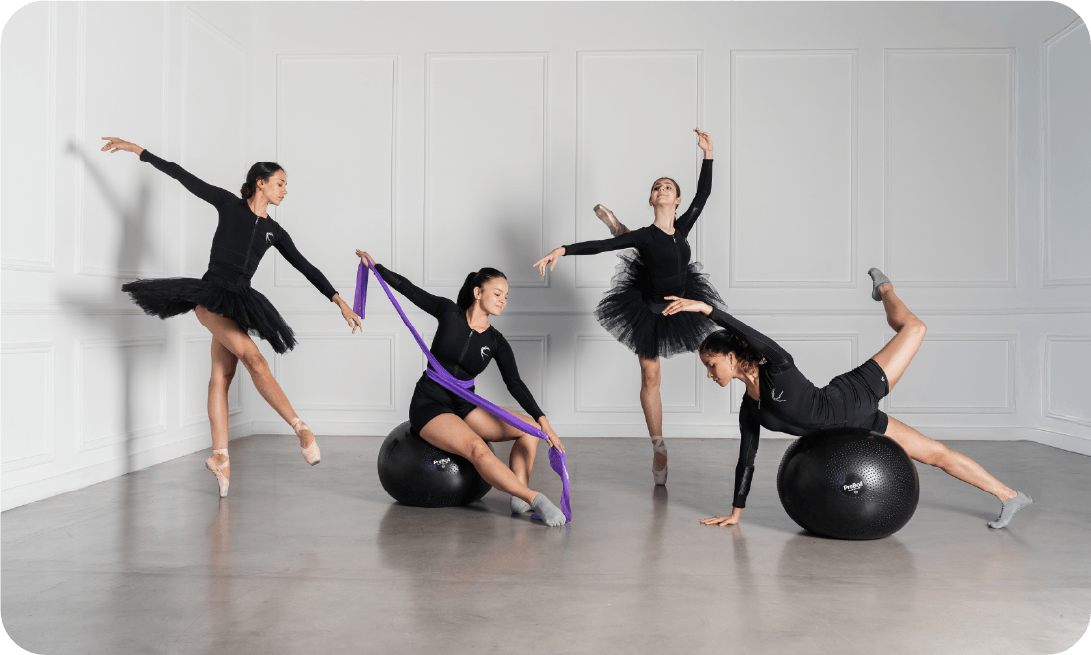
One size fits all approaches are outdated, obsolete and dangerous. Every dancer’s timeline is different and unique biological differences must be respected if we are to foster a generation of healthy and strong artists. Ensuring that dancers are mentally and physically prepared before returning to dancing full-time is crucial to supporting long-term progress. PBT’s range of classes allows dancers to return to the studio at a pace that suits their needs. From Focus Warm-ups to Move and Groove to Recovery, each class offers a unique focus, allowing students to build the essential strength, technique and mind-muscle connection needed to return to dance safely.
In many classes, dancers are invited to use specialised PBT equipment to further enhance their technique. Key items like the mini-loop band and ProBall help deepen the dancer’s awareness of key muscle groups like the hamstrings and glutes, while promoting core and pelvic stability. Each class builds on the previous, allowing dancers to establish the fundamentals of turnout, spinal alignment and coordination before progressing to more complex movements. For teachers who are keen to get their students back to jumping but don’t want to jump the gun, ProBall supported allegro exercises will allow dancers to work on safe landings and metatarsal activation, sensations that they can them aim to reproduce in the centre later. Supported by the PBT platform, dancers can progress and regress accordingly in the safe hands of movement experts.
Key Takeaways:
Whether you are returning from months off or just a few days, try to give your body time to make the necessary physiological and psychological adaptions. Ask yourself: Where do you want to be in a month’s time?’, the answer is unlikely to be in the exact same spot but... rushing the initial phase back could do exactly that: limit you, disrupt you, injure you. As much as you should aim to stay present and in the moment, keeping the future in sight is a great way of keeping yourself on track. If you’re not sure where to start, simply want some support in the off-season or are hoping to get back to training as fast as safely possible, PBT’s online platform provides a gold mine of strengthening exercises, dance-focused technique classes and guided recovery sessions. Explore, educate, and empower yourself this new year!
Sign up to our newsletter
Receive tips, news, and advice.