Ideal Posture: Is It a Utopia?
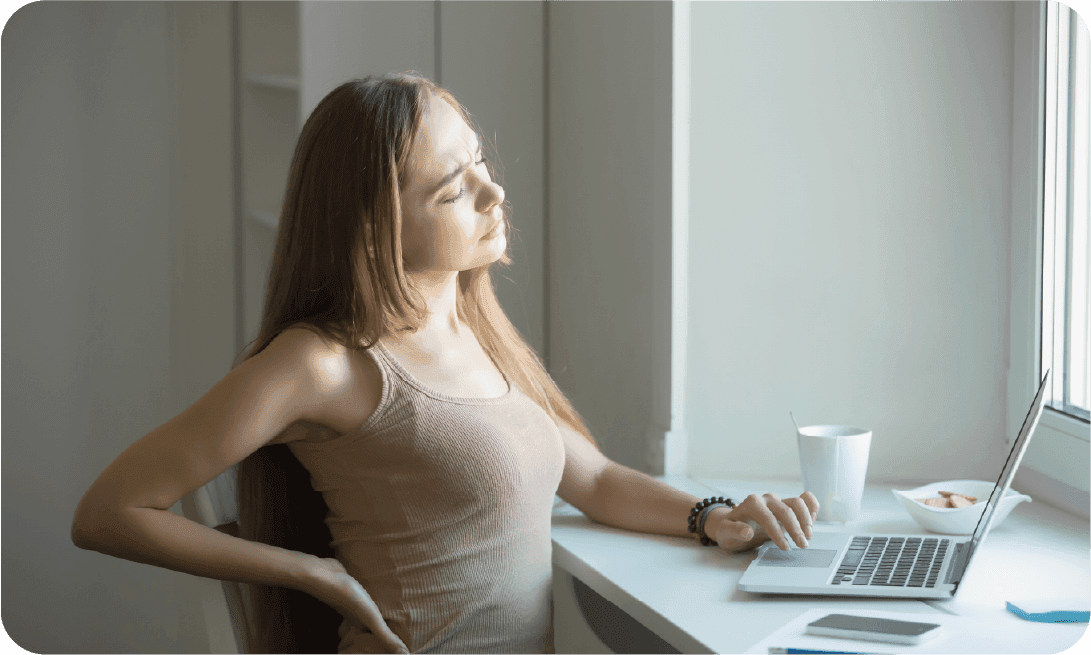
“Sit up straight! I just don’t understand how you can dance so upright and then sit all twisted like that.” I’ve lost count of how many times I heard my mom say that — especially during my teenage years, that awkward stage when the body grows at strange speeds and shapes. And, as with many things in life, I have to admit my mom was right: my posture was terrible. All the awareness and alignment I worked so hard for in dance class and on stage would collapse completely in my day-to-day life.
In class, I was in princess mode, but the moment I stepped out of the studio… I’d turn into a spaghetti noodle slipping off the strainer. I never once sat “normally” at the table, and when I stood, I’d end up slouched over my lower back or leaning to one side.Why did that happen to me — and, I dare say, to many dancers and non-dancers alike, especially teens?
Because posture is dynamic. It’s not something you achieve once and keep forever. It’s something that’s constantly influenced and adjusted based on context and what your body is being asked to do at any given time. And if there’s one profession that truly puts posture to the test, it’s dance, where positions are as beautiful as they are extreme.
So… is it possible to have good posture and get your leg to your head at the same time? Of course. You just have to ask yourself: what’s the correct posture for that position — and is it the same as the one we use when sitting, for example? And what about doing contemporary choreography where you’re curled in on yourself like a contortionist — can that be good posture? Well… while that position may not be “aligned” in the traditional sense, it doesn’t mean we can’t return afterward to a functional, healthy posture that supports our body.
So before diving into specific dance-related posture issues, let’s start with the basics: What does it really mean to have good posture? To sit up straight? To puff out your chest and look “tall and proud”? Not necessarily...
Ideal Posture: A Utopia?
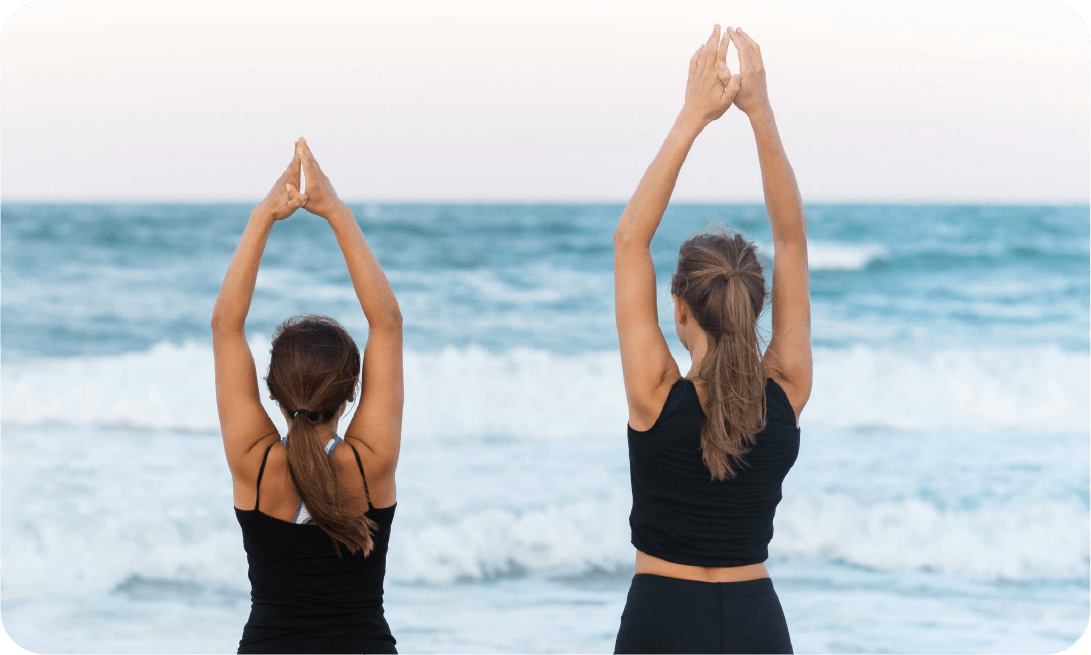
Posture is the way the body holds itself in space, whether at rest or in motion.
From a biomechanical perspective, Kapandji defines ideal posture as one in which the body is aligned in such a way that tissue stress is minimized, balance is maintained without excessive effort, and movement efficiency is supported. This model serves as a functional reference: it guides us in body organization, but it doesn’t necessarily represent a fixed aesthetic shape or a permanent goal. At PBT, we understand that core control and postural work are the foundation of technique. That’s why they are the first aspects we address — both in workshops and in regular classes.
Now then, I’d like to pause for a moment on the word “ideal.”
The term comes from the realm of ideas — from the Platonic concept: something perfect, abstract, rarely (if ever) manifested exactly as such in real life. And those of us who work with movement know this well: there is no ideal body, only real bodies — with different histories, unique characteristics, and individual possibilities. And we also know that negotiating between ideals, perfectionist demands, and reality can be challenging.
But here we go!
So, what can we actually observe and work on in class?
What good posture looks and feels like
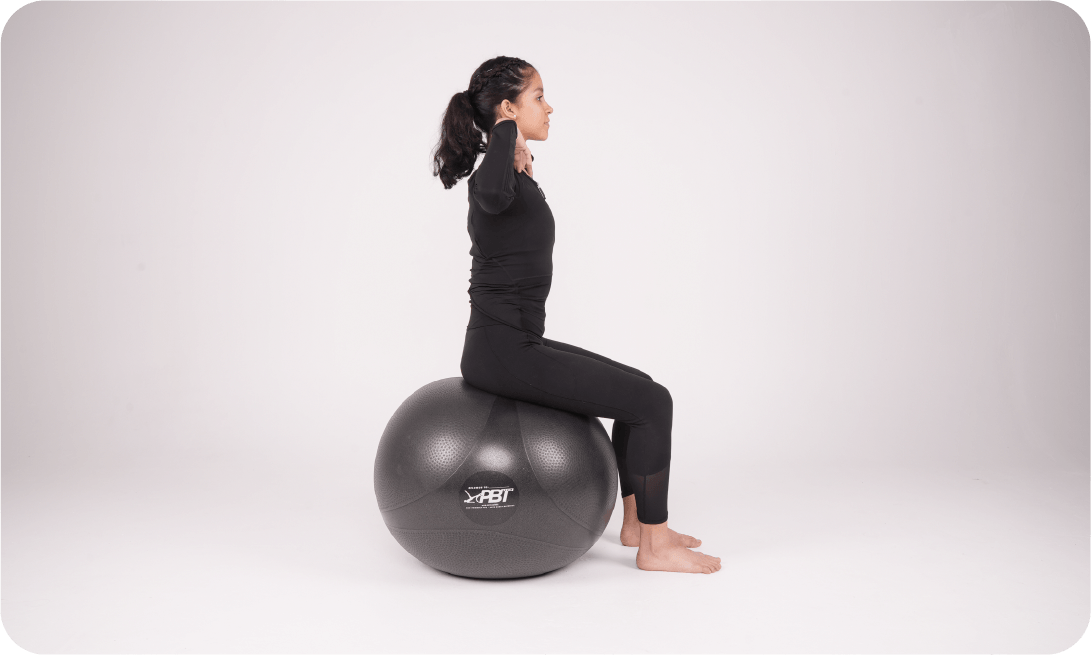
We can look for functional alignment, efficient movement patterns, and promote body organization that allows dancers to move with fluidity, safety, and power. Here are some key points:
Spinal organization with its three natural curves:
Cervical lordosis, thoracic kyphosis, and lumbar lordosis.
These curves are normal and necessary. Good posture maintains them — not exaggerating or flattening them. So no, being perfectly “straight” isn’t the same as having good posture.Head-to-pelvis alignment:
The pelvis should be neutral (neither overly tucked nor excessively arched), and the head should sit aligned above it. A forward head or a collapsed sacrum disrupts the body’s overall organization and movement efficiency.
The difference between static and dynamic posture:
Posture can be observed in stillness — during a balance, or while sitting — but it also reveals itself in motion. And in motion, maintaining good posture becomes much more complex. That’s why dancers need to develop strong postural awareness to adapt to different styles, technical demands, and performance environments without compromising their health.
Common Postural Errors and Challenges in Dance
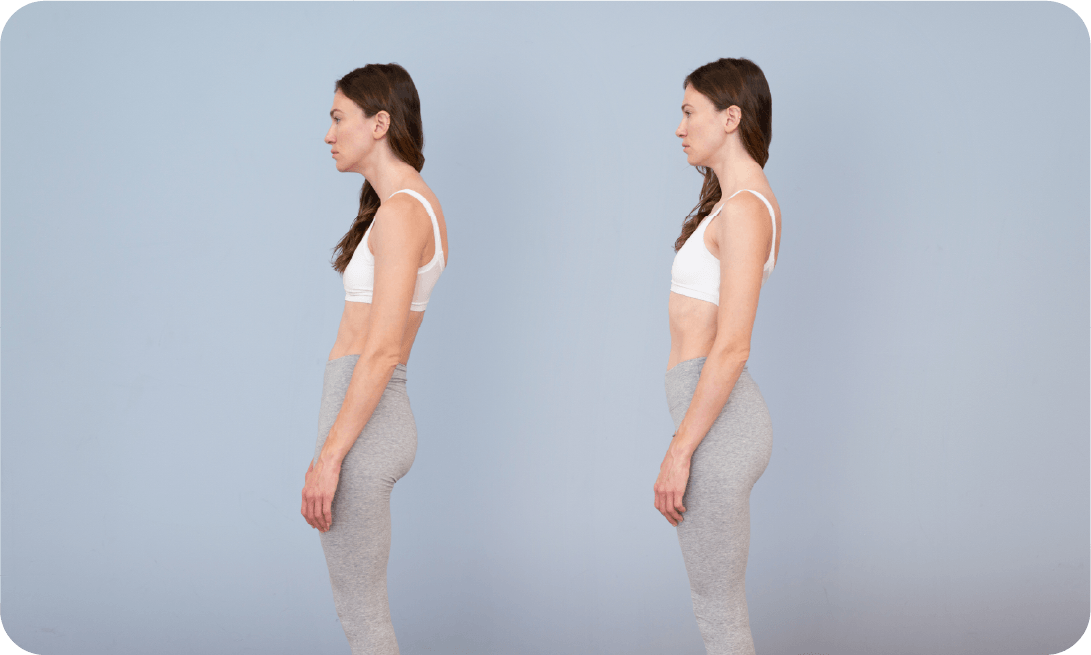
We could write volumes about this, but here are four of the most common postural issues seen in dance today:
1. Spinal Flattening
No doubt, screens and phones don’t help here. But ballet itself has often encouraged a flattened spine, pushing for extreme “uprightness.”
At this point (hello, it’s 2025), maybe it’s time to re-embrace the natural curves of our beautiful spines.
2. Overly relaxed posture
Exactly what happened to me after class!
You can spot it from the side: the upper back rounds backward while the pelvis and arms fall forward. While this feels relaxed muscularly, it places excessive strain on ligaments and joints.
3. Chest-forward and flared ribs
Sometimes, in trying to “project” on stage, dancers push their ribs out.
This directly affects spinal curves, creates tension in the lumbar-sacral region, and limits diaphragmatic breathing — reducing our capacity for deep breaths
4. Stage demands (and their consequences)
Let’s be honest: choreography doesn’t always allow us to maintain functional posture.
Between twisted shapes, hundreds of repetitions favoring one side, and aesthetic demands that prioritize form over function — the body often pays the price.
But that doesn’t mean we can’t realign and recover afterward.
With proper mobility, alignment, and awareness training — like we work on in our Recovery Classes — it is possible to restore balance and build a more sustainable dance practice over time.
So now what? Tools and tips to care for your posture
Posture can’t be forced — it has to be cultivated. And for that, we need more than willpower:
We need awareness, consistency, and the right tools.
Here are a few foundational keys:
Breath awareness: Learning to breathe freely and deeply helps organize the torso, release unnecessary tension, and activate the core.
Deep tissue strengthening: Stabilising and core muscles help support posture in a variety of situations.
Active mobility: To preserve the spine’s natural curves and prevent rigidity or flattening.
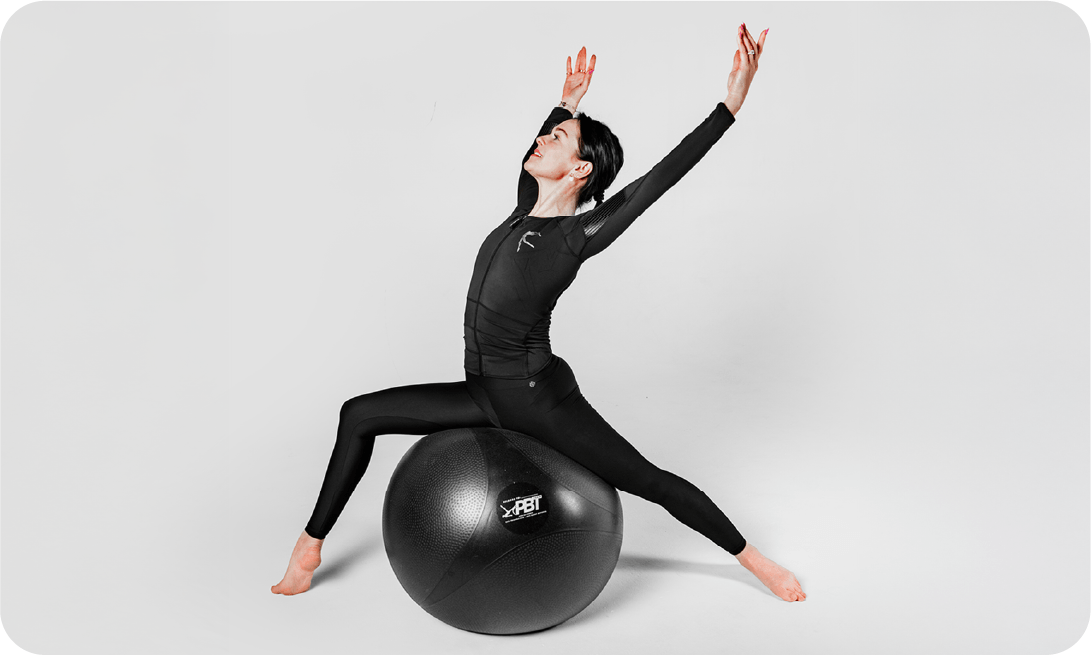
And above all… awareness. The first step is always noticing. To support this process, we use tools like PBT balls, which promote functional strengthening and alignment, and equipment like the Backalast, which encourages better postural organization and improves breathing mechanics.
No more ideals — just real bodies and real posture
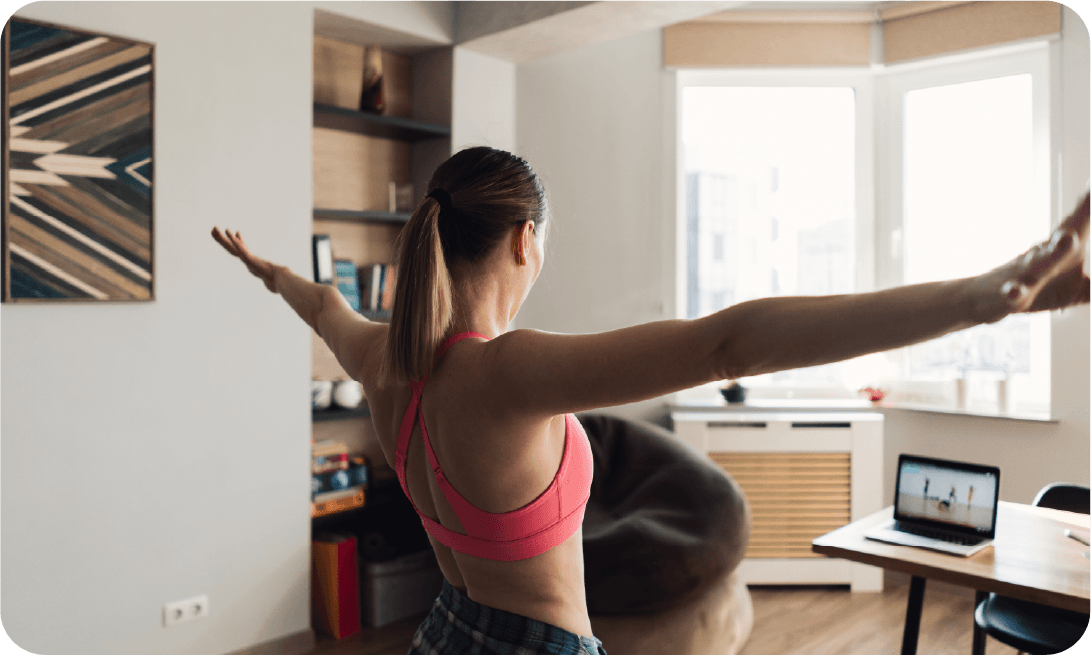
Let’s be clear: ideal posture does not exist as a permanent state.
Even so, working on posture is an essential foundation for health — whether you’re a dancer… or a software developer. The key is having the tools to develop it, and more importantly, learning to inhabit your body with attention, respect, and joy.
By Constanza Belgareto
Sign up to our newsletter
Receive tips, news, and advice.