International Dance Day: Dancing with Ukraine
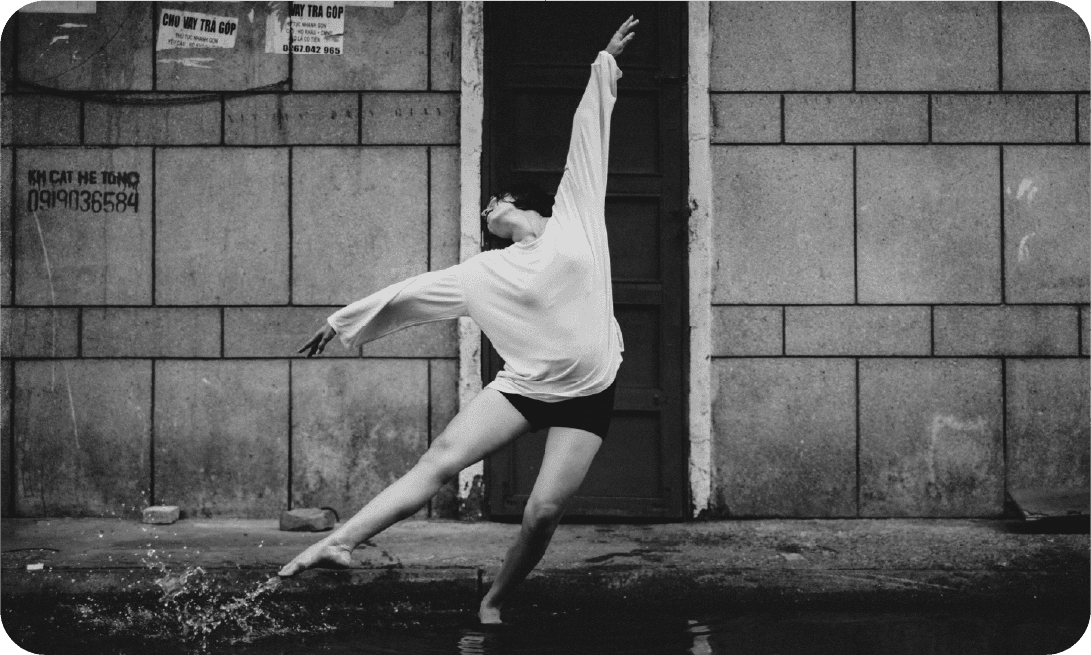
‘Through creativity, we accumulate resistance and hope through small acts of courage, curiosity, kindness and collaboration. In dance and in dance-making, we find proof that humanity is more than our latest heartbreaking global failure.’
– Crystal Pite, author of the International Dance Day message 2026
Introduction
The 29th April marks International Dance Day, an annual celebration established by the Dance Committee of the ITI in 1982 in recognition of Jean-Georges Noverre, a pioneer of modern ballet. The day serves as a crucial reminder of the unifying and healing power of dance in overcoming political, cultural and religious differences. This is a message that is perhaps more important now than it was in 1982.
We, at PBT are proud to support this initiative and the message it upholds.
Current Affairs
Geopolitical tensions are rising, wars have been waged and suffering is rife. A fundamental reshaping of the global order is underway and humans worldwide are paying the price. Indeed, in 2025, the Global Peace Index noted that several major indicators thought to precede conflicts were at their highest levels since WWII.
Why is this happening? Haven’t humans learned anything? Dystopian thinkers may chalk it up to the inexorable violent lengths that man has proven he will go to time and time again. Others may say that a rise in nationalism has narrowed government willingness to help those beyond their borders. Maybe it’s a case of desensitisation as a result of the frequent exposure to violent images and scenes online. Whatever the reason, it has to stop.
But what can a dance artist do? What power does movement have against ‘the machinery of power that funds and fuels unspeakable violence’? The answer: a uniquely human power, characterised by perseverance, love and hope.
In today’s blog, we will be exploring examples of this love and hope playing out on the world stage; spotlighting the power of dance in preserving cultural identity, and exploring ways in which dancers can support global peace.
Dance as Defiance
It’s been four years since Russia’s full-scale invasion of Ukraine. A war that many thought would be over within weeks, months at a stretch, but certainly not years. Cities have been destroyed, rights violated and civilians targeted but still, Ukrainian morale remains strong in the presence of such suffering. From amongst the rubble and debris, an unexpected soldier and ambassador of Ukrainian culture has emerged: the Ukrainian dancer.
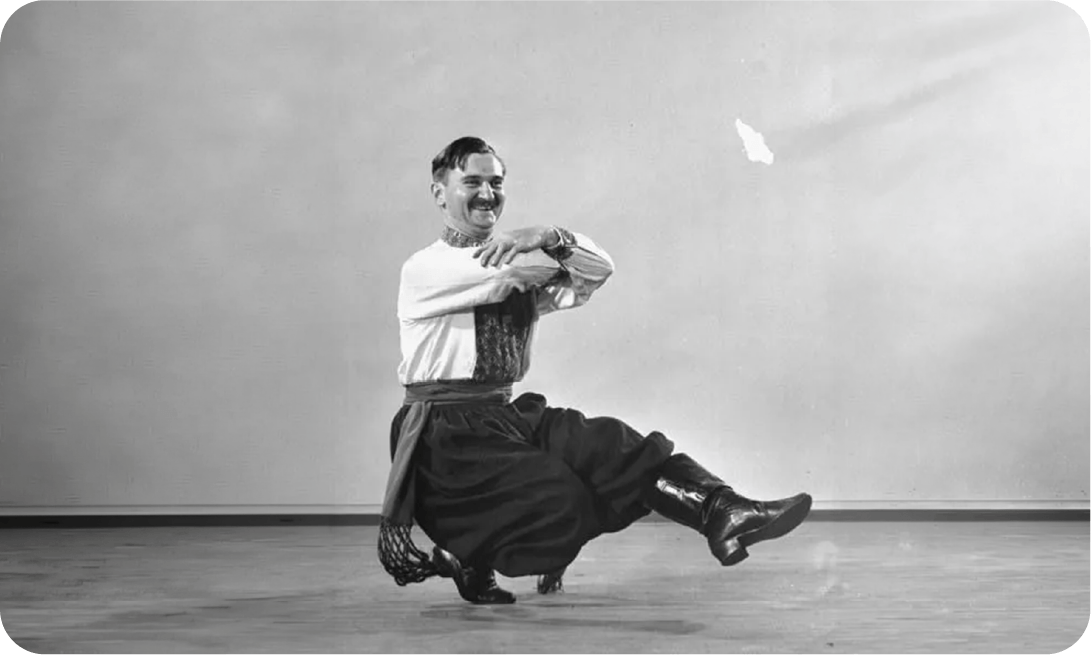
A viral video from Ukraine’s front line, shows a soldier, Oleskiy Bovta, dancing the Hopak, a traditional high-energy dance originating from Central and Eastern Ukraine. While the video gained fame for its slightly absurd nature - a soldier happy in uniform dancing - the message was poignant: I refuse to give up not only my land but also my traditions, rituals and artistic expression - these are what make me Ukrainian. In this way, dance can be an act of defiance, a weapon of cultural identity.
Admist air raids and sirens, theatres and dance schools continue to perform, offering refuge from the strain of everyday life. In June 2025, the National Opera of Ukraine in Kyiv staged La fille mal gardée, assertively replacing the traditional Russian repertoire with that of British choreographer Frederick Ashton. The choice marked a defiant reshaping of Ukraine’s institutions, turning its back on the great Russian works of Prokofiev and Tchaikovsky and moving towards Western productions. The decision made my Nobuhiro Terada, director of the National Opera received mostly positive feedback, as a welcome separation from the Russian propaganda machine that persists even in the music of ancient composers. However the decision has been disputed by dancers, much like the choice to ban the Mariinsky from performing at YAGP in New York was in 2024, simply because it seemed to suggest that art could not transcend political and cultural boundaries.
Supporting Ukraine’s Dancers
When the war first broke out in 2022, several initiatives were created to support struggling dancers and dance institutions in Ukraine including: the United Ukrainian Ballet Foundation (UUBF) and, Inspiration in Motion.
The United Ukrainian Ballet Foundation
The UUBF was originally set up in the Hague, Netherlands by Stanislav Olshanskyi and Alexis Tuttunique with the help of Igone de Jongh and Matthijs Bongertman. Upon establishing a base, the company's founders recruited 60 other professionals displaced by the war. The UUBF is a temporary project that aims to provide Ukrainian dancers with a place to stay, train and perform while the war continues. Through their dancing, they hope to promote awareness, keep Ukrainian dance alive and build support for the Ukrainian resistance.
Inspiration in Motion
A not-for-profit organisation concerned with preserving culture and protecting talent, Inspiration in Motion, has focused its attentions and efforts towards Ukraine, continuing to provide essential support for young dancers in the region. Their aim is to ‘sustain and strengthen Ukrainian Ballet’ by funding dance education for aspiring dancers. In 2025, helped by Ferrexpo and Freed, the company were able to secure £166,000 worth of dancewear, delivering essential supplies to over 1000 students in Kyiv, Kharkiv, Poltava and L’viv. For dancers, whose household income may be as low as £160 per month, this is life-changing work.
Declaring that ‘the future of dance in Ukraine depends on our support of students today’, the company’s founder Ivan Putrov has produced multiple fundraising events under the title Dance for Ukraine. His latest event took place at the Royal Academy of Dance in March and featured performances from members of the Royal Ballet and Ukrainian Royal Ballet School. The company has a mission to raise £50,000 by June 2026, the amount needed to enable 30 dance students to continue their education.
What Can I do as a Dancer?
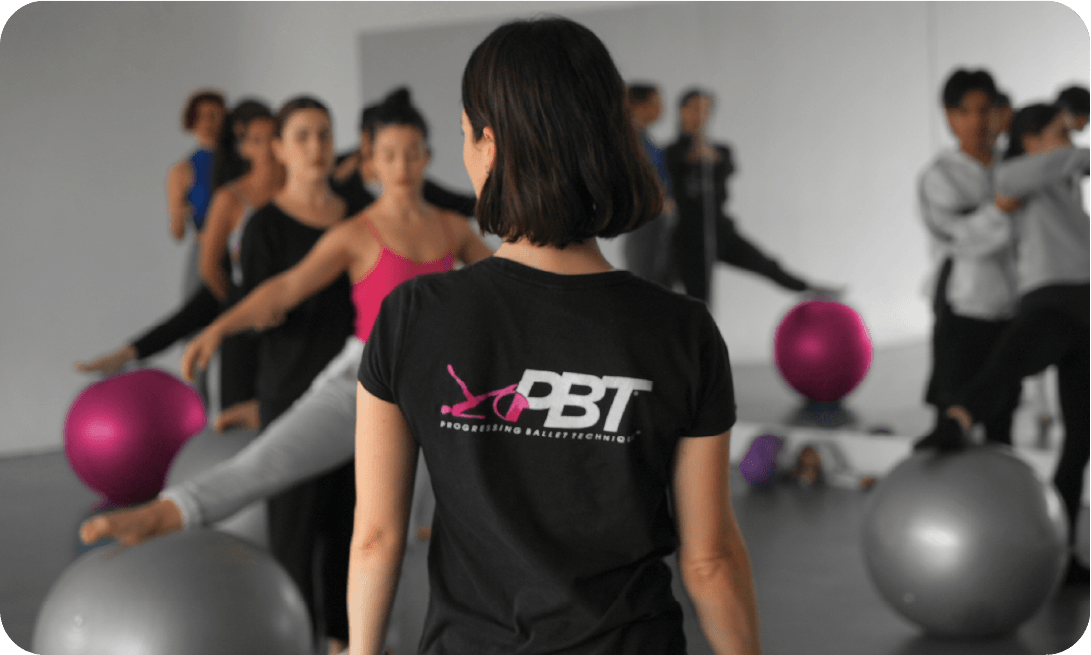
To return to Crystal Pite’s message of hope, there is a lot that we as dancers can still do to build a better world for ourselves and those around us.
Dance is not merely a demonstration and celebration of physical talent but a tool for peace, for fostering the empathy and understanding needed to overcome conflict. Dance is a way of listening to others’ stories while telling our own. It requires attention, often patience and an open-mindedness that fights against the stubborn resistance of oppressive forces. Dance welcomes change, welcomes debate, interpretation, ambiguity, a grey-area that itself resists the overwhelming darkness of suffering. After all, “art, like hope is a form of love' and only love triumphs over hate. So what can you do other than supporting dance initiatives and dance institutions?
The answer: dance, keep dancing and encourage others to dance with you.
By Elise Smith
Sign up to our newsletter
Receive tips, news, and advice.