Labour Day: The Cost of Being a Dancer
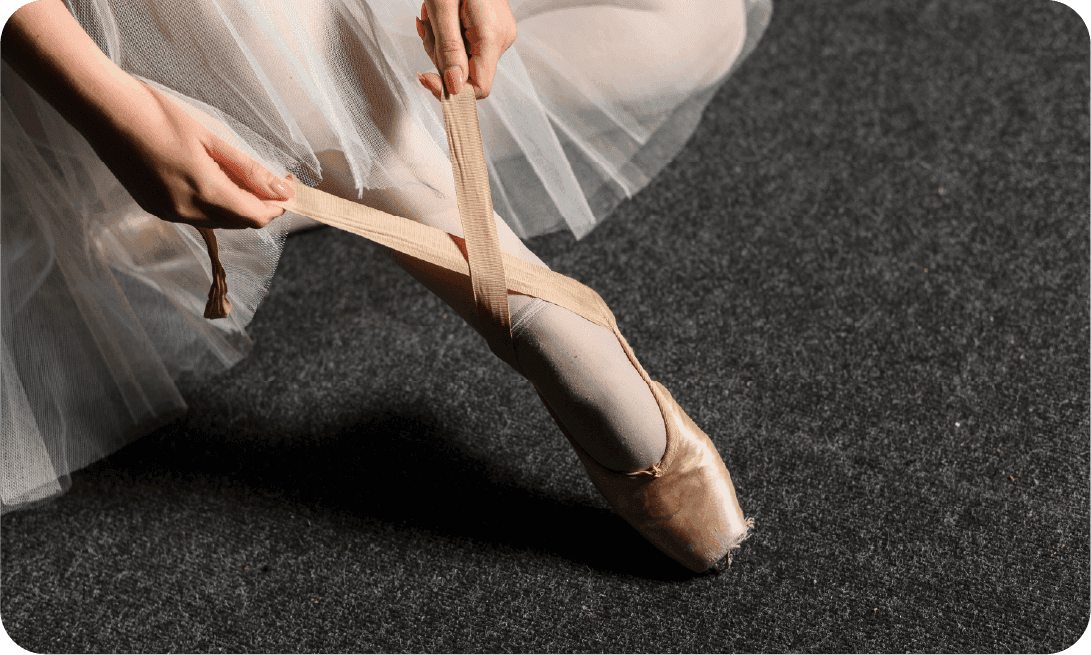
Hard work is essential if not a pre-requisite to becoming a dancer. Performers are expected to show up, work hard and be content despite long hours, low pay and limited stability. In 2026, many dancers are seeking alternative streams of income, embracing the ‘side hustle’ in their pursuit of financial security. Social media often glamorises the ‘starving artist’ and praises dual job-holding dancers for their grind and entrepreunerial spirit, but what does the prevalence of second jobs in the creative sector really tell us about the industry? This Labour Day, we’ll be exploring the financial cost of being a dancer, careers post dance and the self-employed hustle.
Introduction

Growing up as a dancer, it seemed almost blasphemous to talk about money because, well, that’s not the point, or at least not the one we should be talking about. Any talk of salary aspirations or the financial benefits of a promotion could be taken as the ungrateful chatter of one who does not fully appreciate just how desirable their job is and just how lucky they are to be one of the few who made it. I recall listening to older dancers talking about their careers and earnings and thinking that wouldn’t faze me. I’d give anything to be where they were. Unsurprisingly, my idealism was short-lived. As the responsibilities of real life set in and my sheer love of the art form wasn’t enough to cover my outgoings, I found myself seeking alternative streams of income.
Second Jobs within the Creative Sector

Despite its associations with elitism and exclusivity, ballet dancers, in general, do not have the same earning potential nor employment stability that someone on the same rung of the occupational hierarchy (e.g doctors or lawyers), does. This is made even more ironic by the fact that more than 75% of high-art form audiences in the United States occupy managerial or professional roles. In short, the audience may be rich but those they watch rarely share the same wealth.
Leading job sites including Indeed and Glassdoor suggest that corps-de ballet dancers in the UK can expect to earn £36,400 ($49,200) while top performing individuals could earn between £70,000 ($94,700) and £150,000 ($202,800) annually. When you take into account that many aspiring dancers tend to live in bigger cities and the cost of living in a big city like London is approximately £2,800/month, the trope of the ‘struggling artist’ becomes all too real.
For many dancers, having a second job is not a choice but a necessity that will allow them to continue living in the capital while they audition for other jobs or wait for a full-time contract. These jobs often take the form of part-time roles but some dancers may work full-time during off-peak periods.
One study found that of the 276 freelancers questioned, 62.62% were working part-time with many expressing dissatisfaction with the rate of pay. That dissatisfaction was compounded by the fact that rates did not seem to account for any preparation, travel expenses or level of experience. The need for supplementary income within the sector may be evidenced by the fact that 88% of workers in the music, performing and visual arts space are self-employed compared to just 14% of the total population. As well as amplifying the flexibility and multi-faceted nature of freelance work, this high statistic points to a bigger issue in the industry: underfunding. Dancers are seeking extra work not necessarily because they want it but because they need it.
The Employable Dancer

Although a vocational route may feel limiting, the skills acquired through dance are incredibly desirable to employers both within and outside of the creative sector. Dance teaches discipline, work ethic, punctuality, precision, teamwork -all of which are transferable skills. Pursuing an alternative career, whether at the same time as your dance education/profession or after is not turning your back on your love for dance or admitting defeat; it is acknowledging a potential to do and know more. There are many professional dancers that have explored and are exploring other career avenues. Having danced with New York City Ballet for 10 years, Savannah Lowry hung up her ballet shoes to become a OB-GYN. Sacramento Ballet dancer Eric Holzworth went on to work in editorial and entertainment public relations with Dolce & Gabbana. Jordan Elizabeth Long, a Miami City Ballet dancer, pursued business studies alongside her professional training and former award-winning dancer, Mike Fogarty went on to study medicine. The list goes on.
Unfortunately, the all or nothing mindset possessed by many dancers can lead to stagnation, whereby dancers refuse to venture beyond the stage out of fear that it would somehow be betrayal. This is not the case. Outside experiences are as crucial in building the artist and their art as they are to building character. Before we are dancers, we are humans and that experience should be fully explored.
Strengthen your Career with PBT
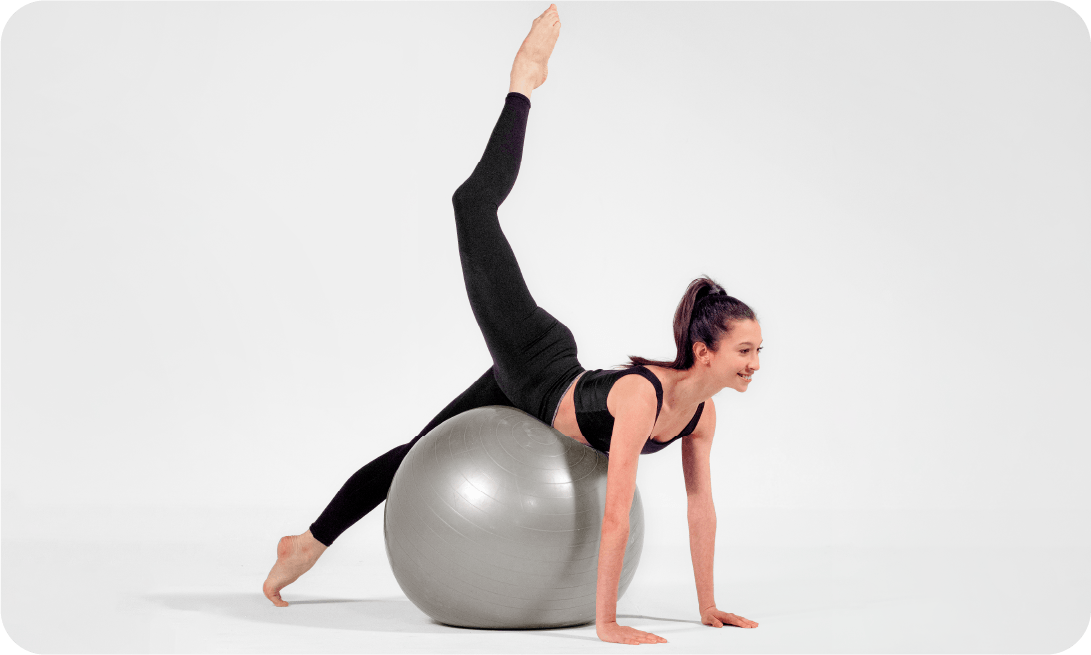
PBT teaches not only technique but artistry, knowledge, and strength. This multi-faceted approach helps dancers fine tune their instrument while expanding their awareness of movement principles. While PBT was originally designed for dancers, the greater understanding of the body, alignment, posture and movement mechanics established through PBT classes can easily be applied to other professions such as teaching, fitness instructing, physiotherapy and Pilates. Training with PBT is therefore not just a chance to strengthen your current career prospects but also a way of opening doors to others and the accompanying supplementary income.
By Elise Smith
Sign up to our newsletter
Receive tips, news, and advice.