Upper Body Strength and Coordination
Senior
Flexibility & Mobility
Share
 Senior | Flexibility & Mobility
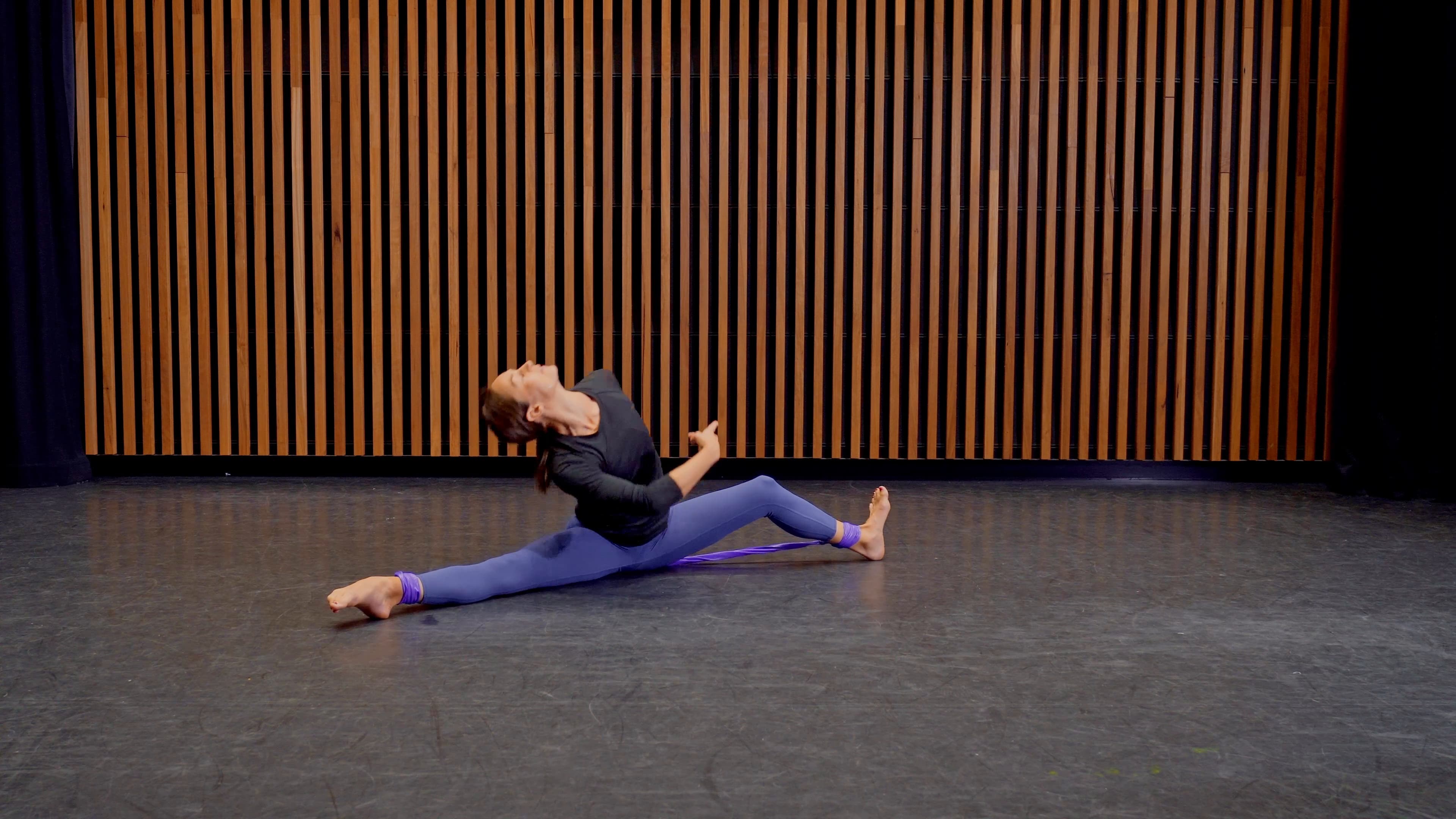
Dynamic Stretch
 Senior | Flexibility & Mobility
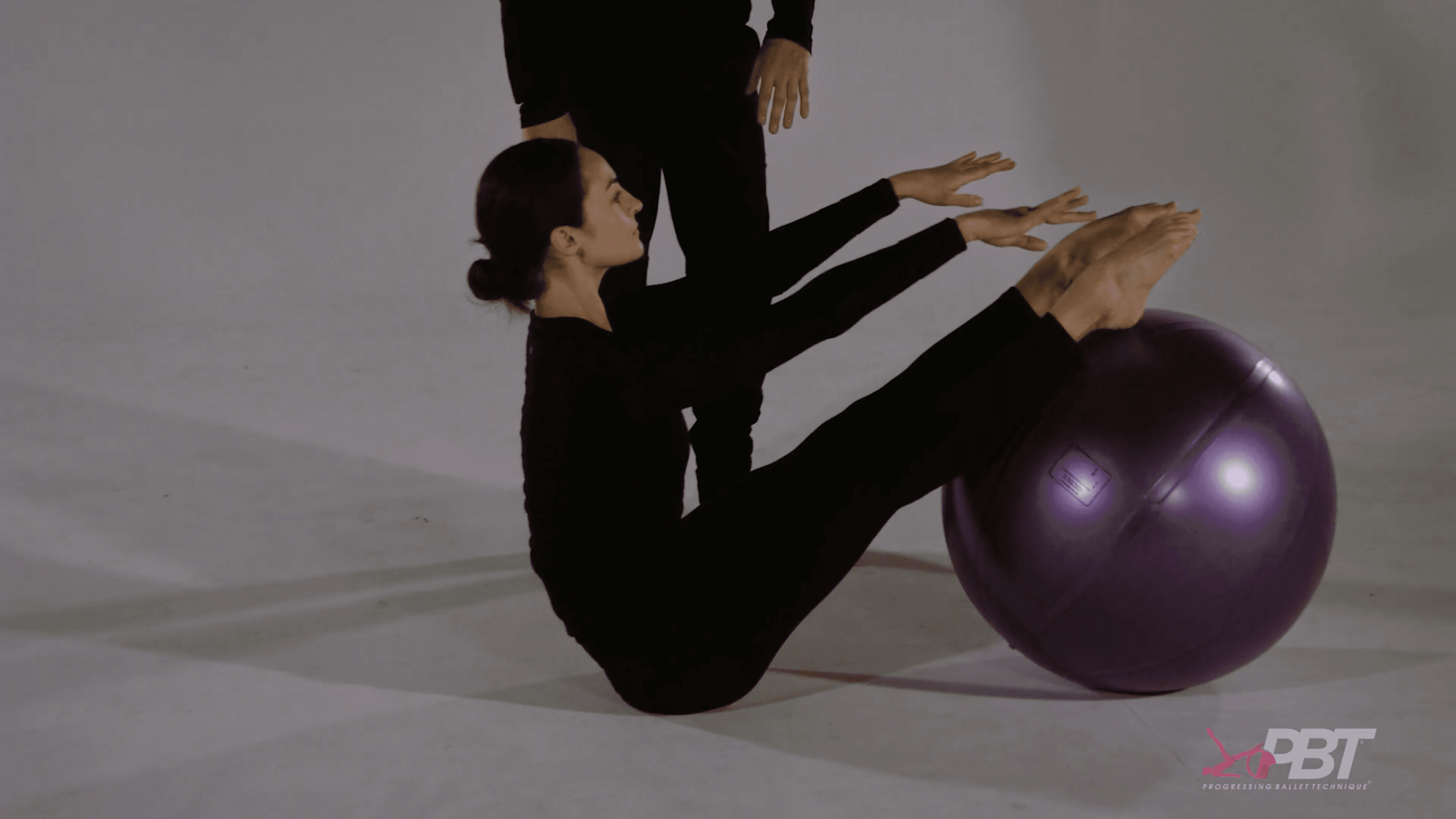
Pelvic Curls
 Senior | Flexibility & Mobility
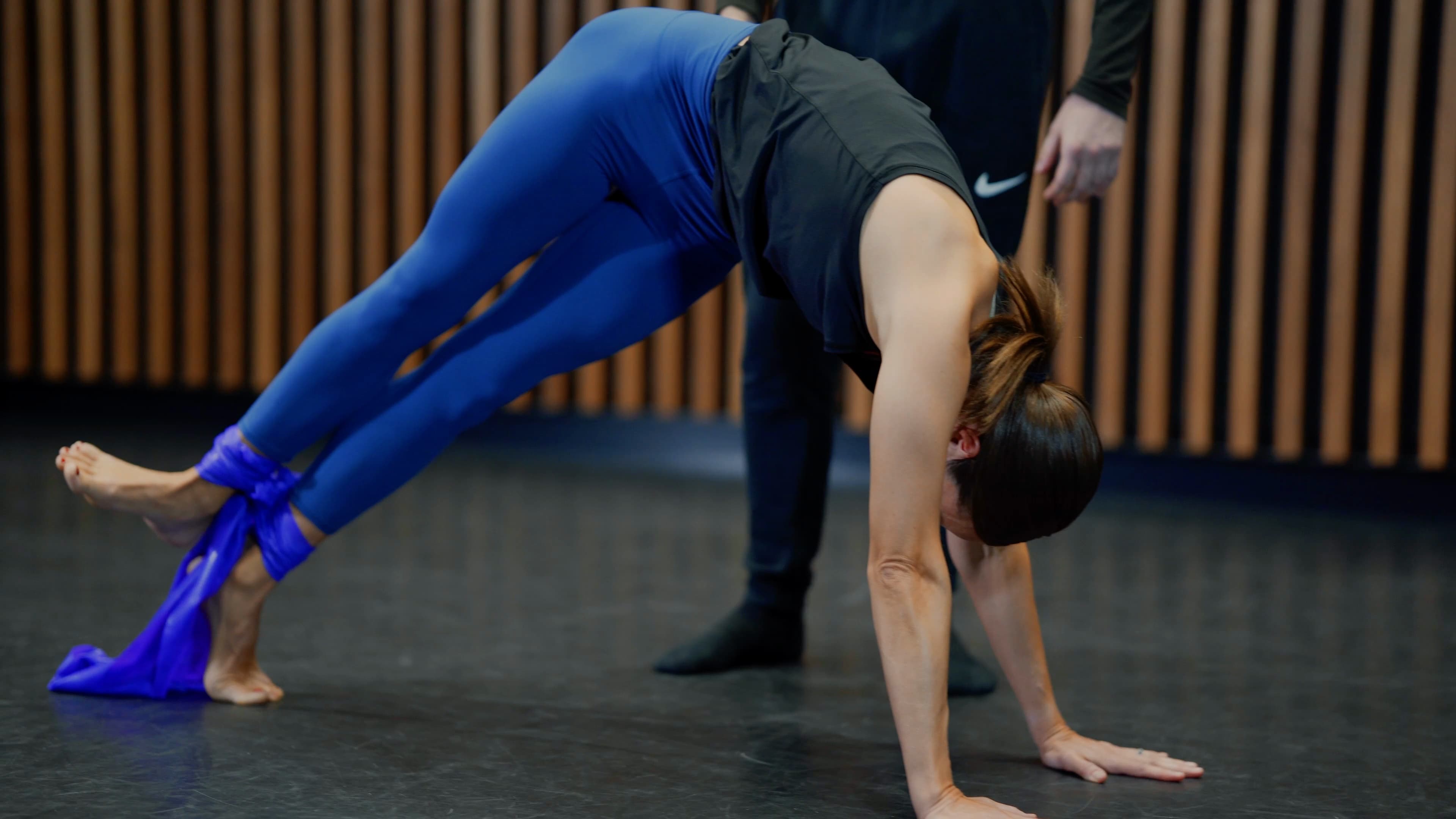
Resistance Stretch
 Senior | Flexibility & Mobility
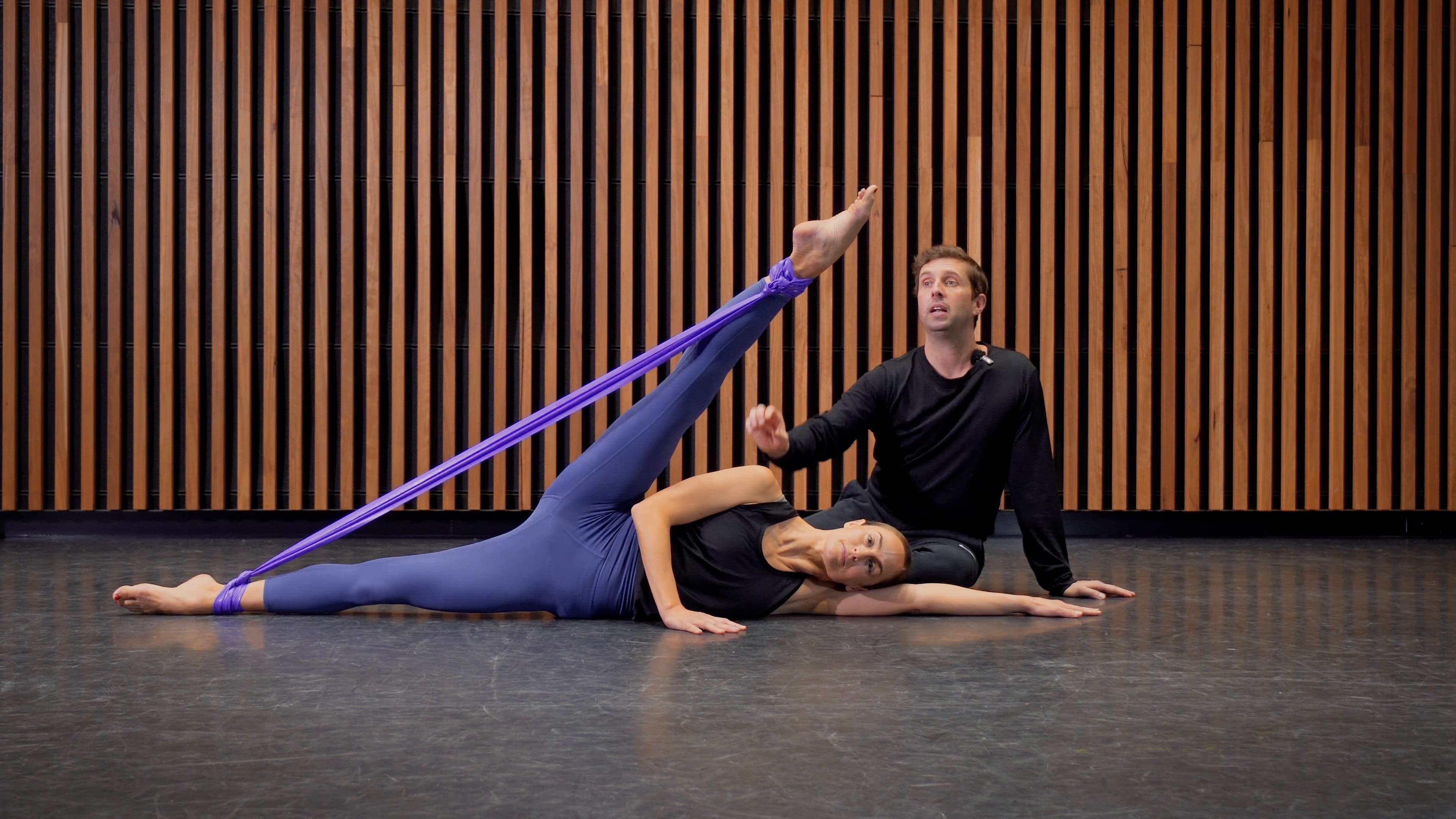
Deep Rotator
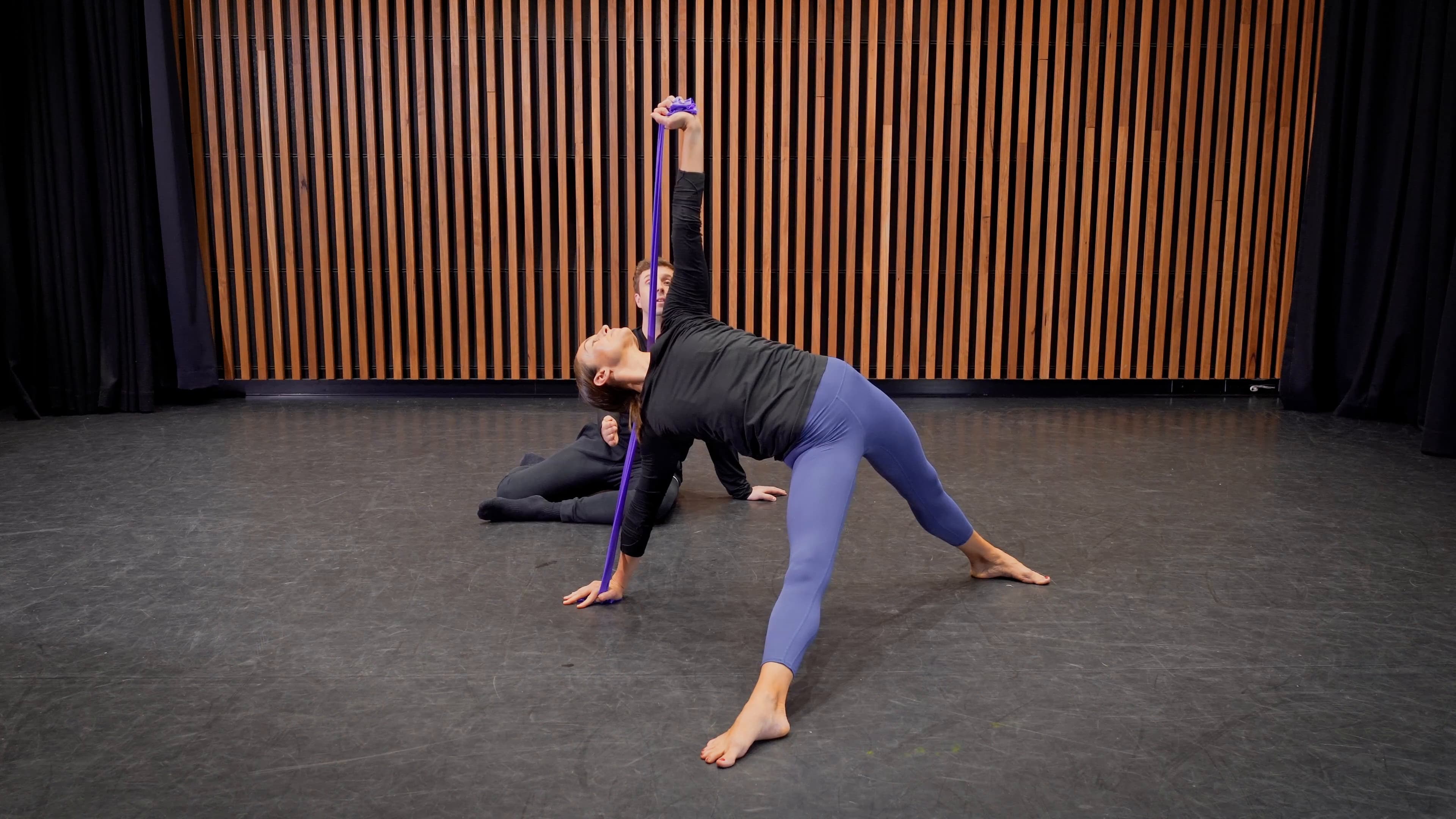 Senior | Flexibility & Mobility
Floor Work with Band
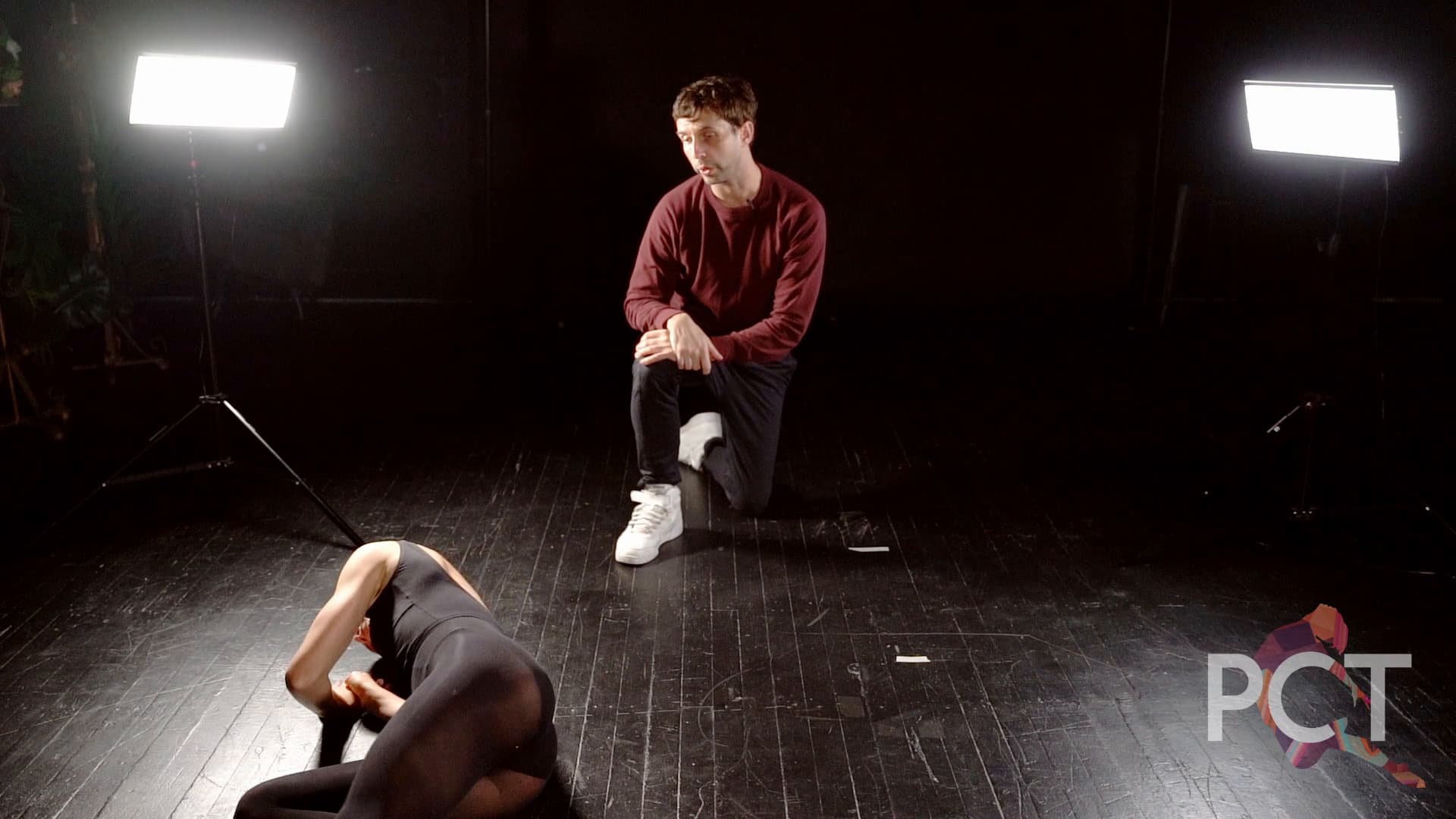 Senior | Flexibility & Mobility
Elasticity & Fluidity
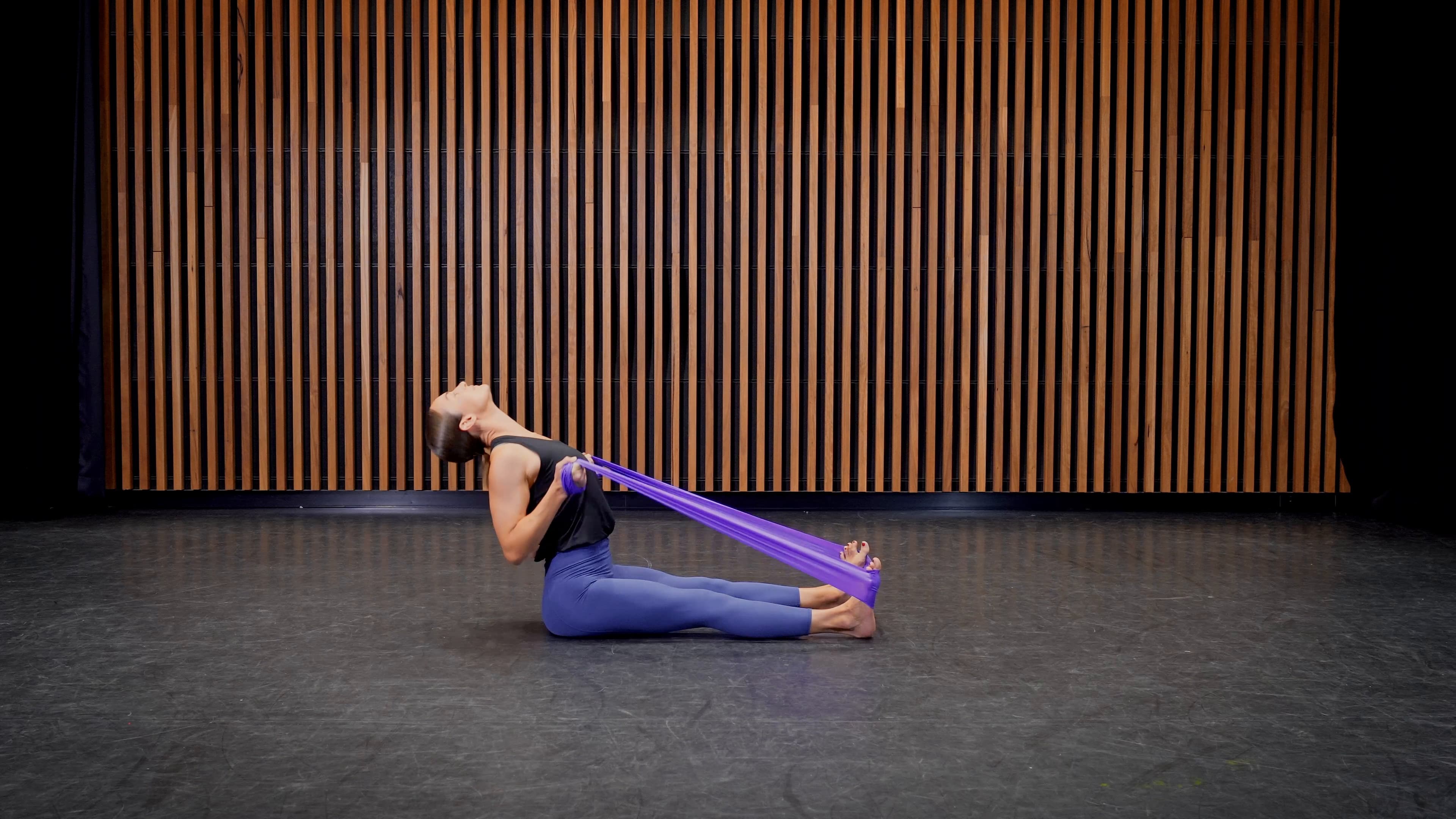 Senior | Flexibility & Mobility
Resistance with Weight
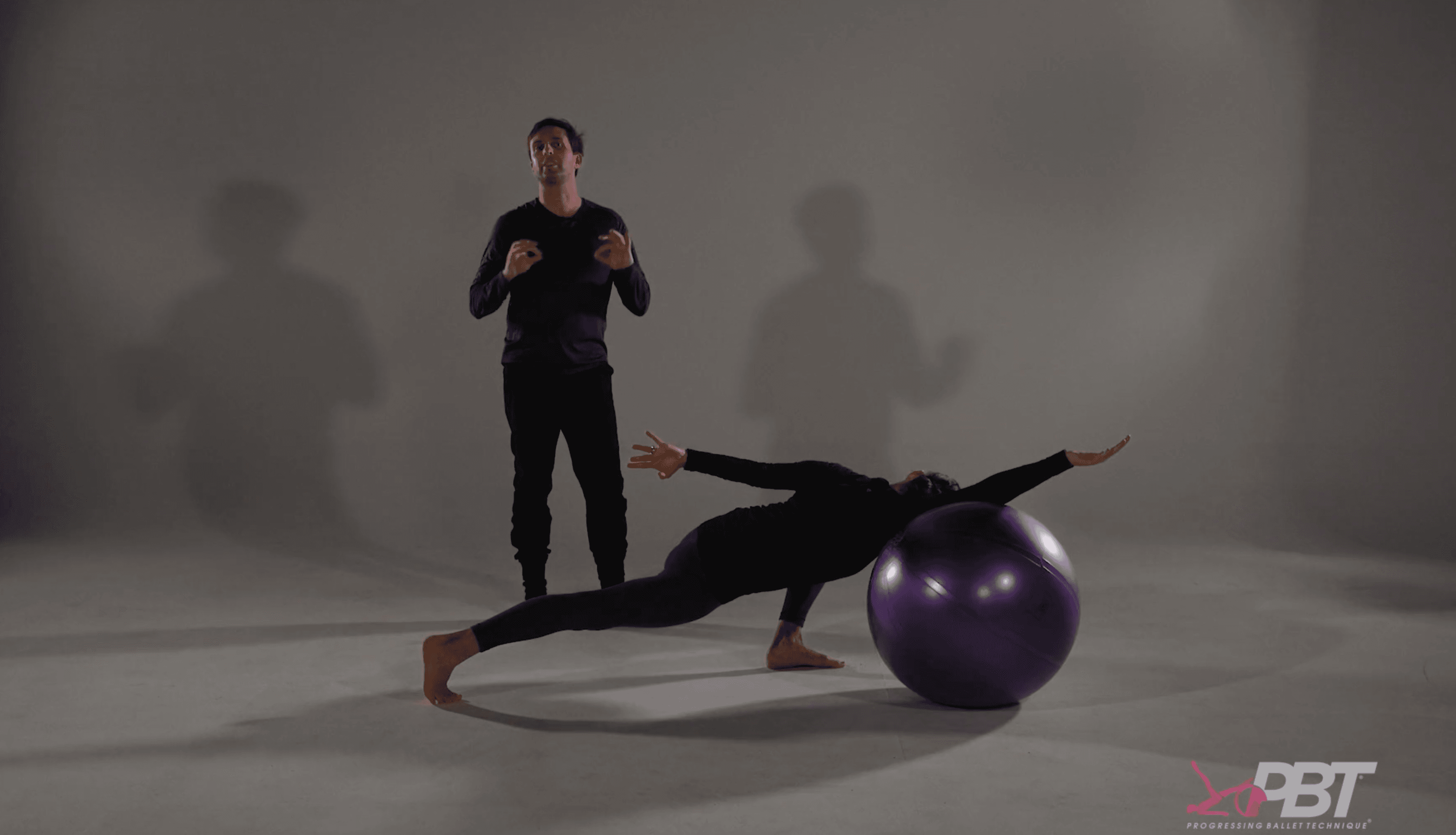 Senior | Flexibility & Mobility
Leg Stabilisation
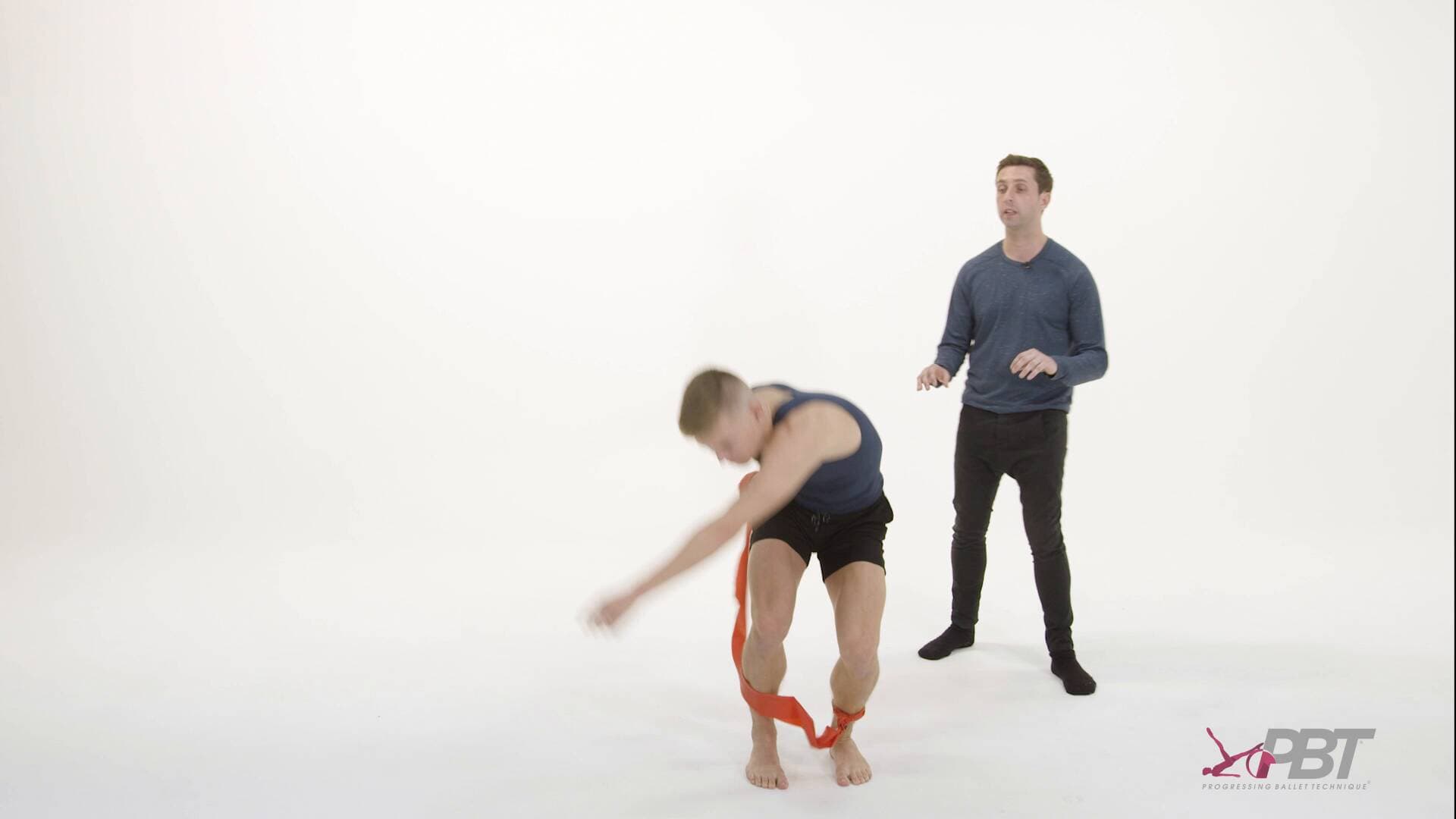 Senior | Flexibility & Mobility
Full body coordination
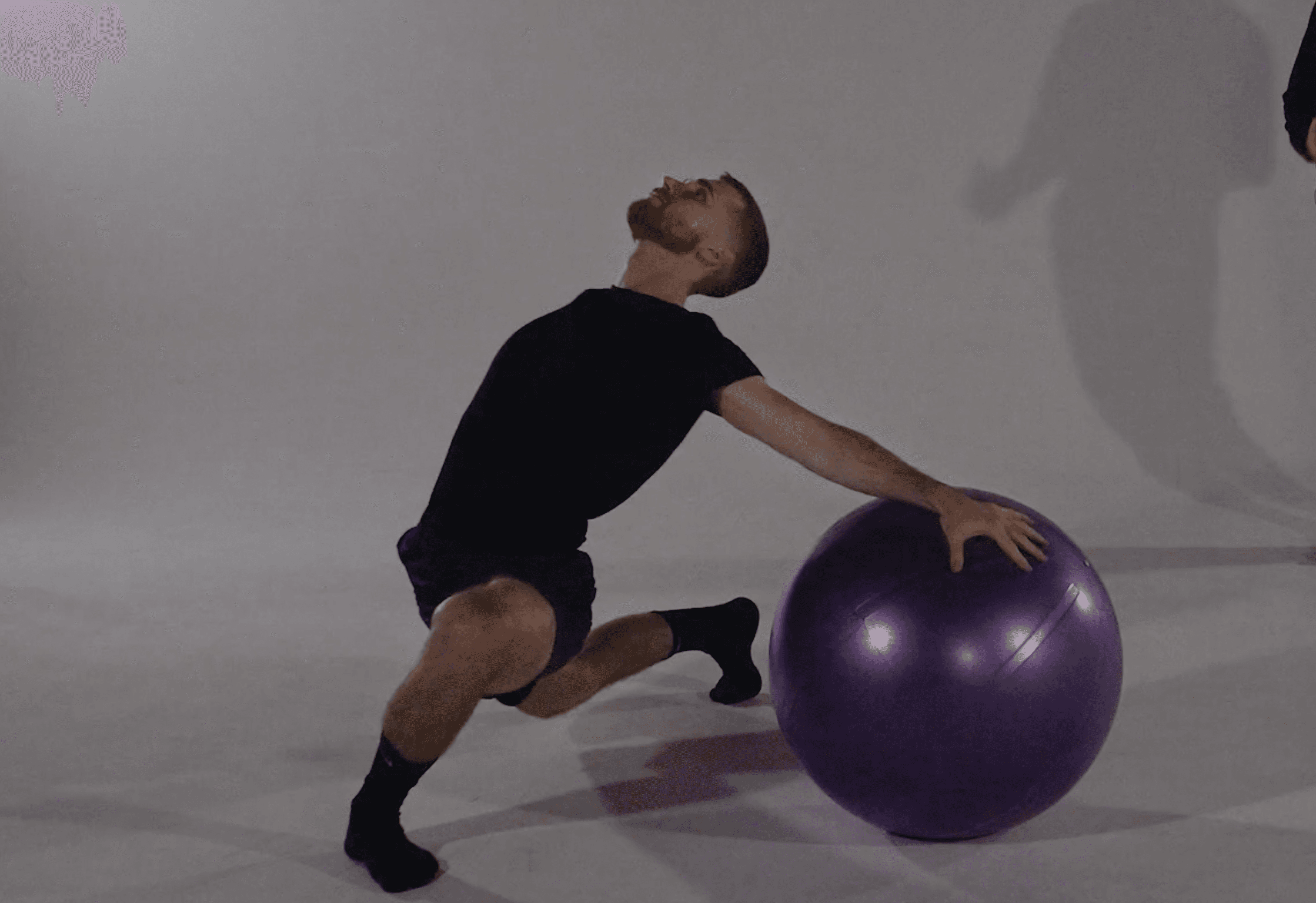 Senior | Flexibility & Mobility
Final Release
 Senior | Flexibility & Mobility
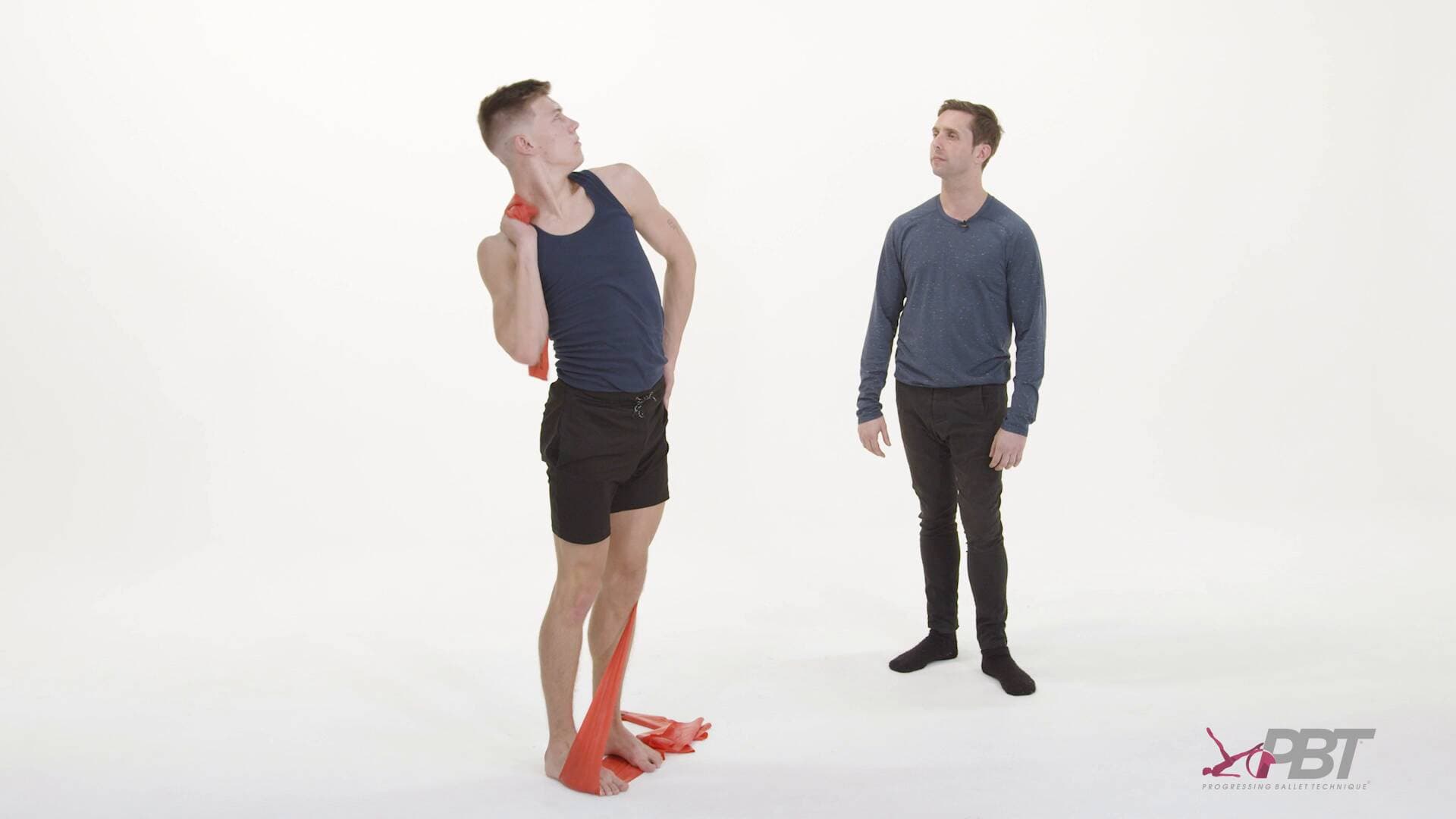
Upper Body Strength with resistance
Music Used
Monolith Dreams
Equipment Used

Resistance Band (medium strength)
This exercise focuses on developing upper body strength through resistance training. It addresses the growing demands of contemporary dance, particularly the need for substantial upper body strength and shoulder stability. The exercise uses a resistance band to engage the muscles of the shoulders, chest, and back while incorporating elements of suspension and release.
Performed in a standing position, the exercise begins with the feet placed parallel on the resistance band and both ends of the band held in the hands. The movement involves pulling up one side of the band with the elbow pointed outward, ensuring proper shoulder alignment to avoid neck tension. The obliques and deep abdominals are activated during a lateral bend, and upper body rotation emphasizes bicep engagement by keeping the elbows bent and close to the body.
Throughout the exercise, the resistance band provides an opportunity to explore suspension and release, particularly on the return movement. Arm extensions, both to the front and side, are controlled to remain within shoulder height, ensuring the shoulders stay relaxed and the scapula moves down the spine. This facilitates targeted activation of the intended muscle groups while avoiding unnecessary tension in the neck.
A smooth and continuous rhythm of breath accompanies the exercise, helping to release tension and promote fluidity in movement.
Frequently asked questions
Comments and Questions
Sign up to our newsletter
Receive tips, news, and advice.

Copyright © 2025 Progressing Ballet Technique. All Rights Reserved