Upper Body Strength with resistance
Senior
Flexibility & Mobility
Share
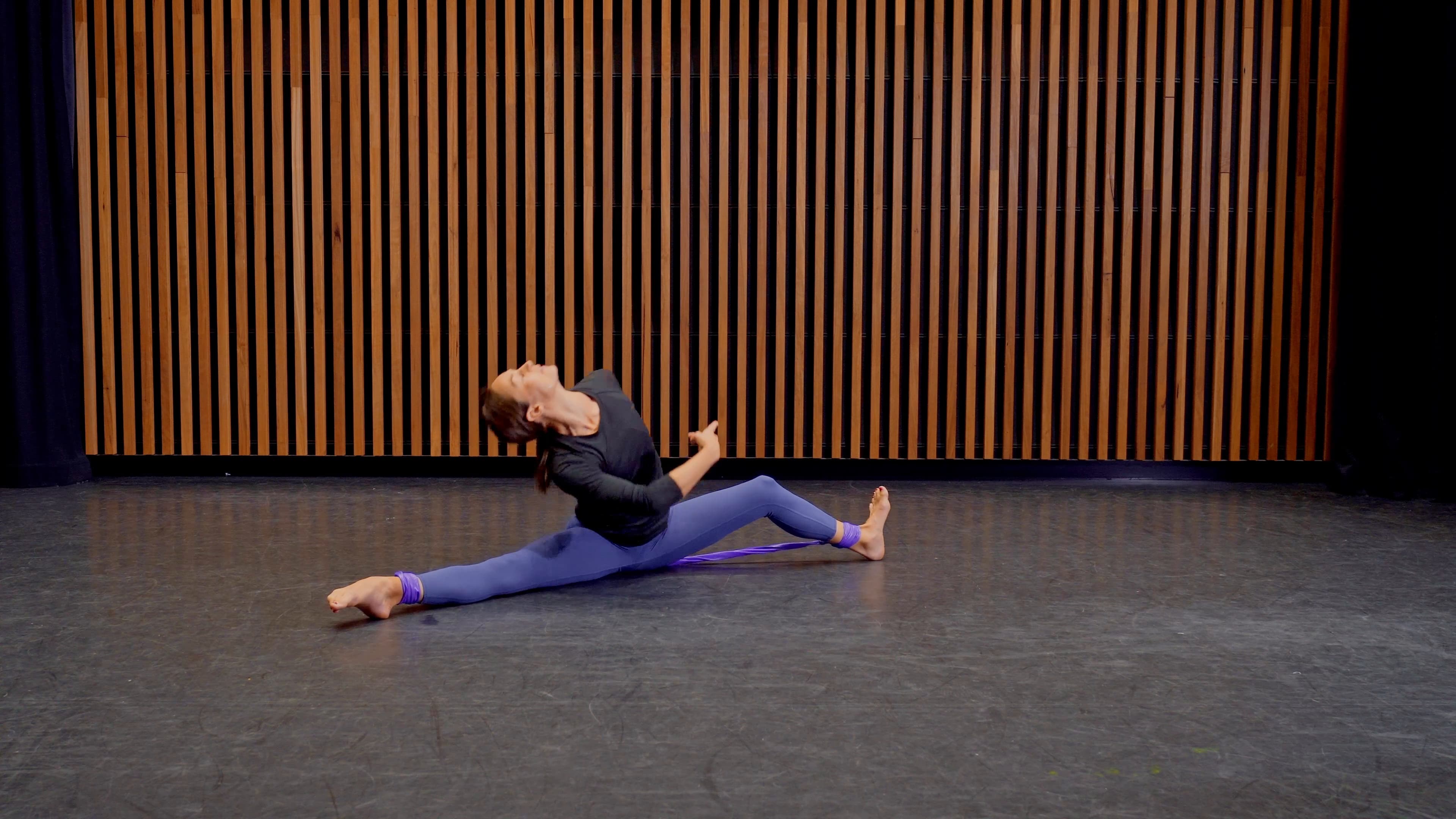 Senior | Flexibility & Mobility
Dynamic Stretch
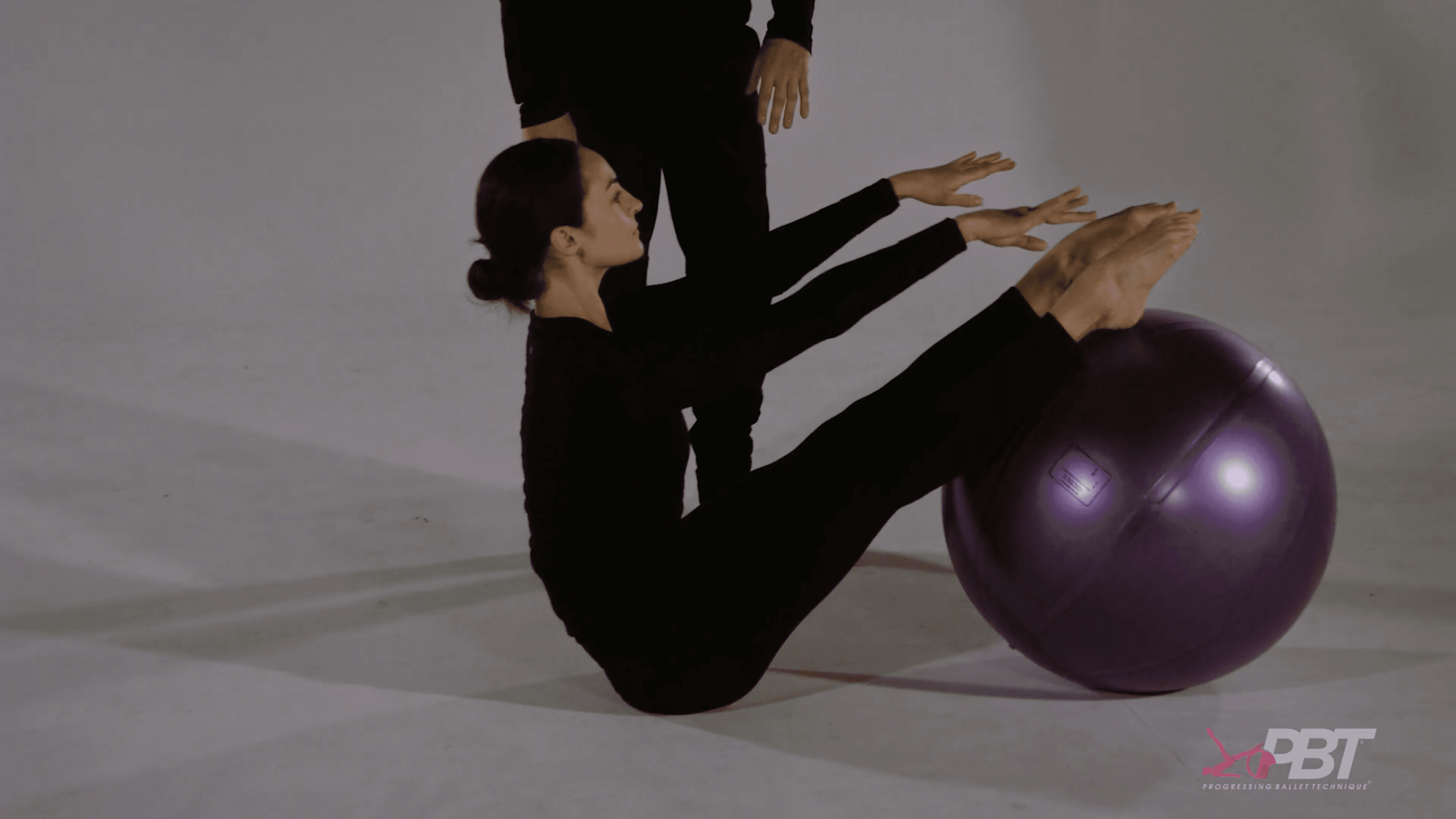 Senior | Flexibility & Mobility
Pelvic Curls
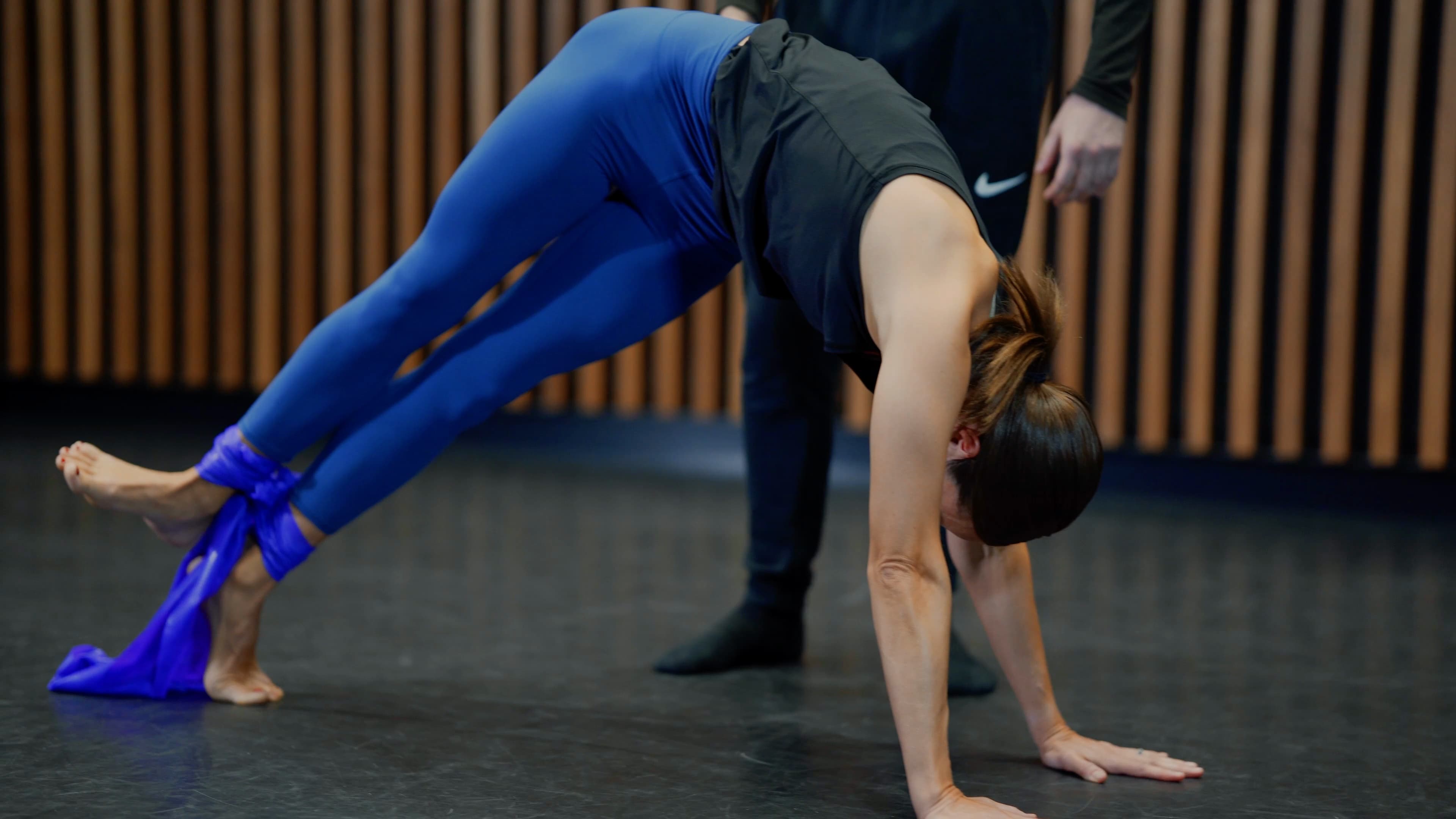 Senior | Flexibility & Mobility
Resistance Stretch
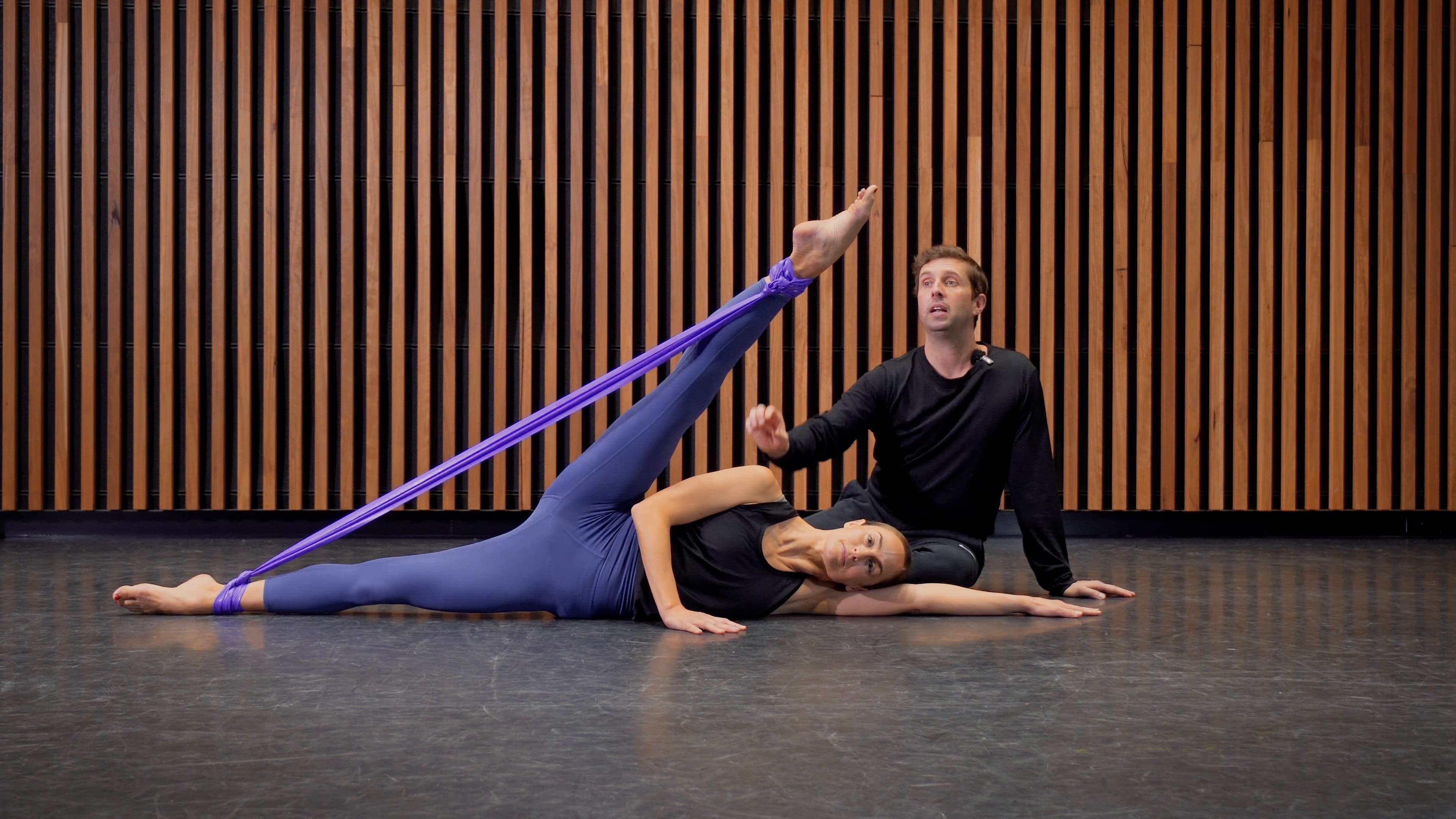 Senior | Flexibility & Mobility
Deep Rotator
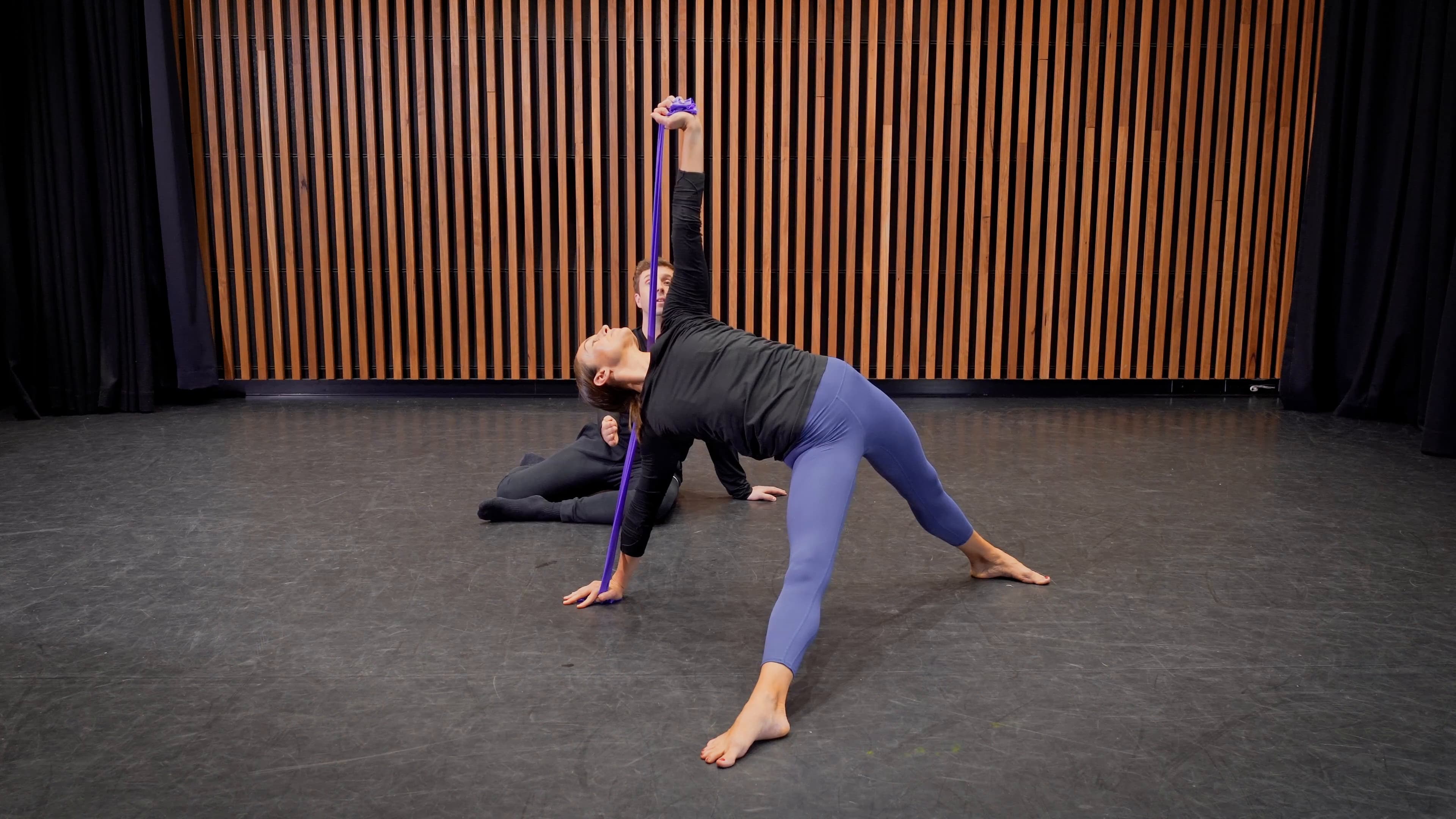 Senior | Flexibility & Mobility
Floor Work with Band
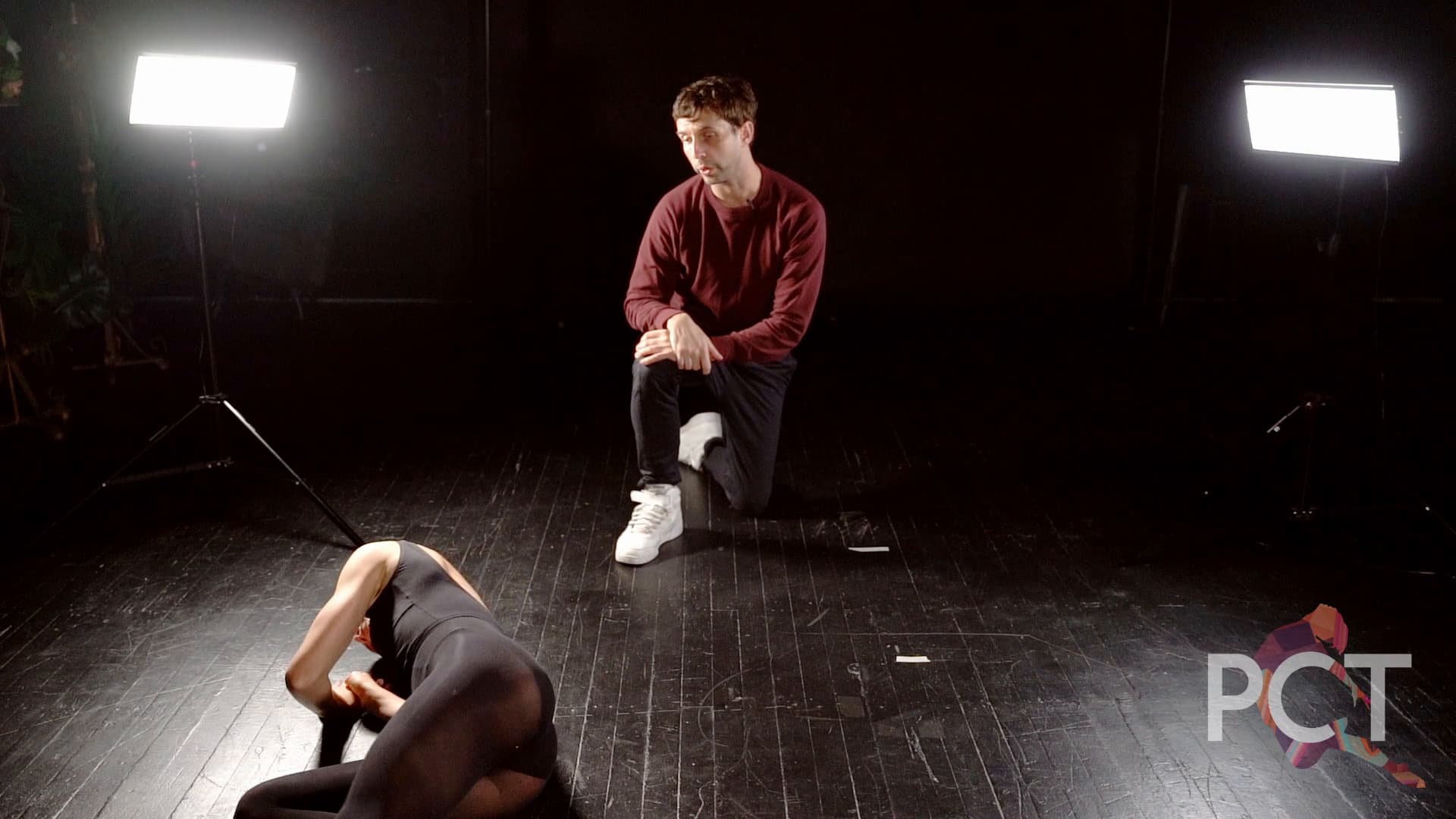 Senior | Flexibility & Mobility
Elasticity & Fluidity
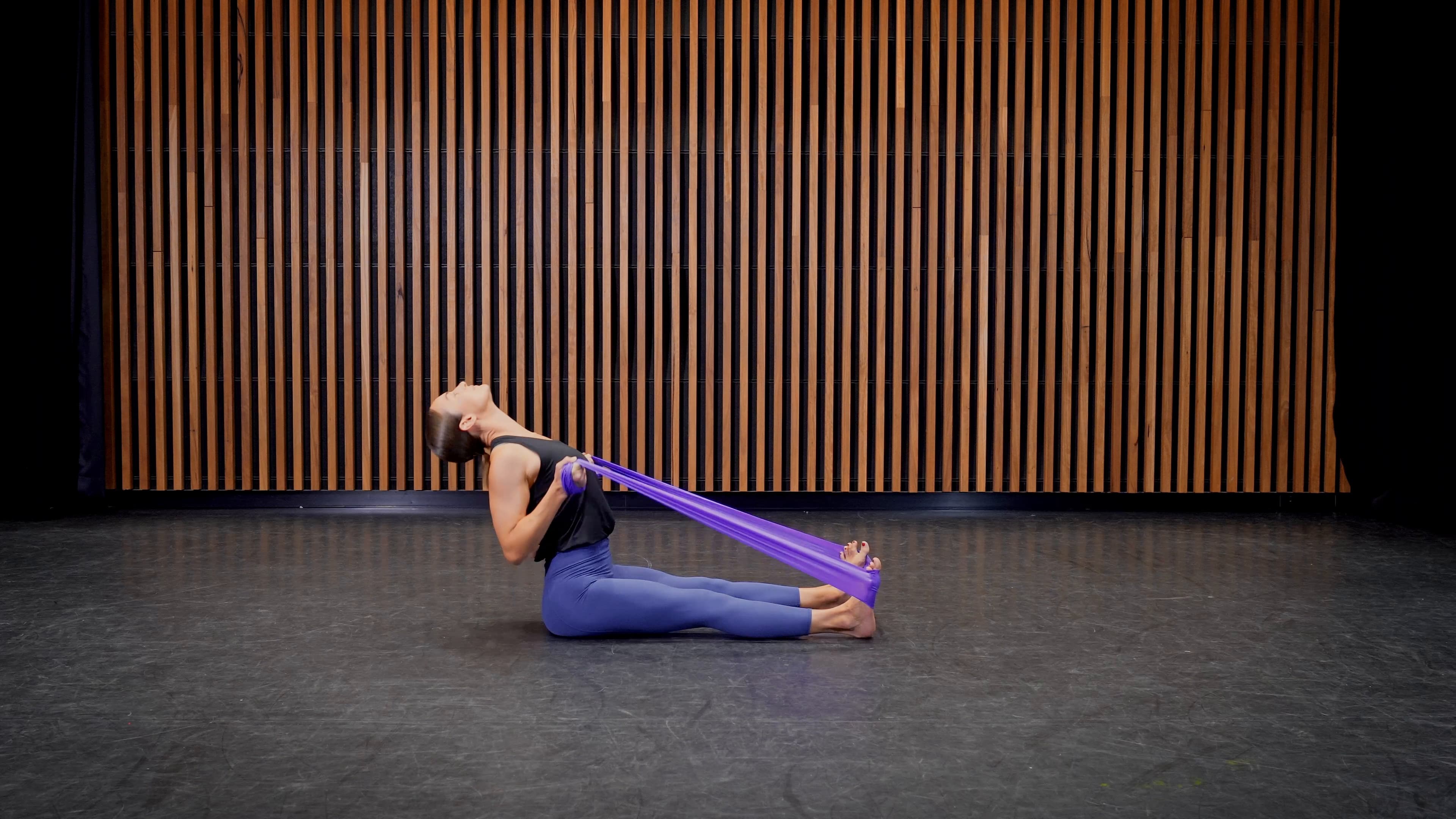 Senior | Flexibility & Mobility
Resistance with Weight
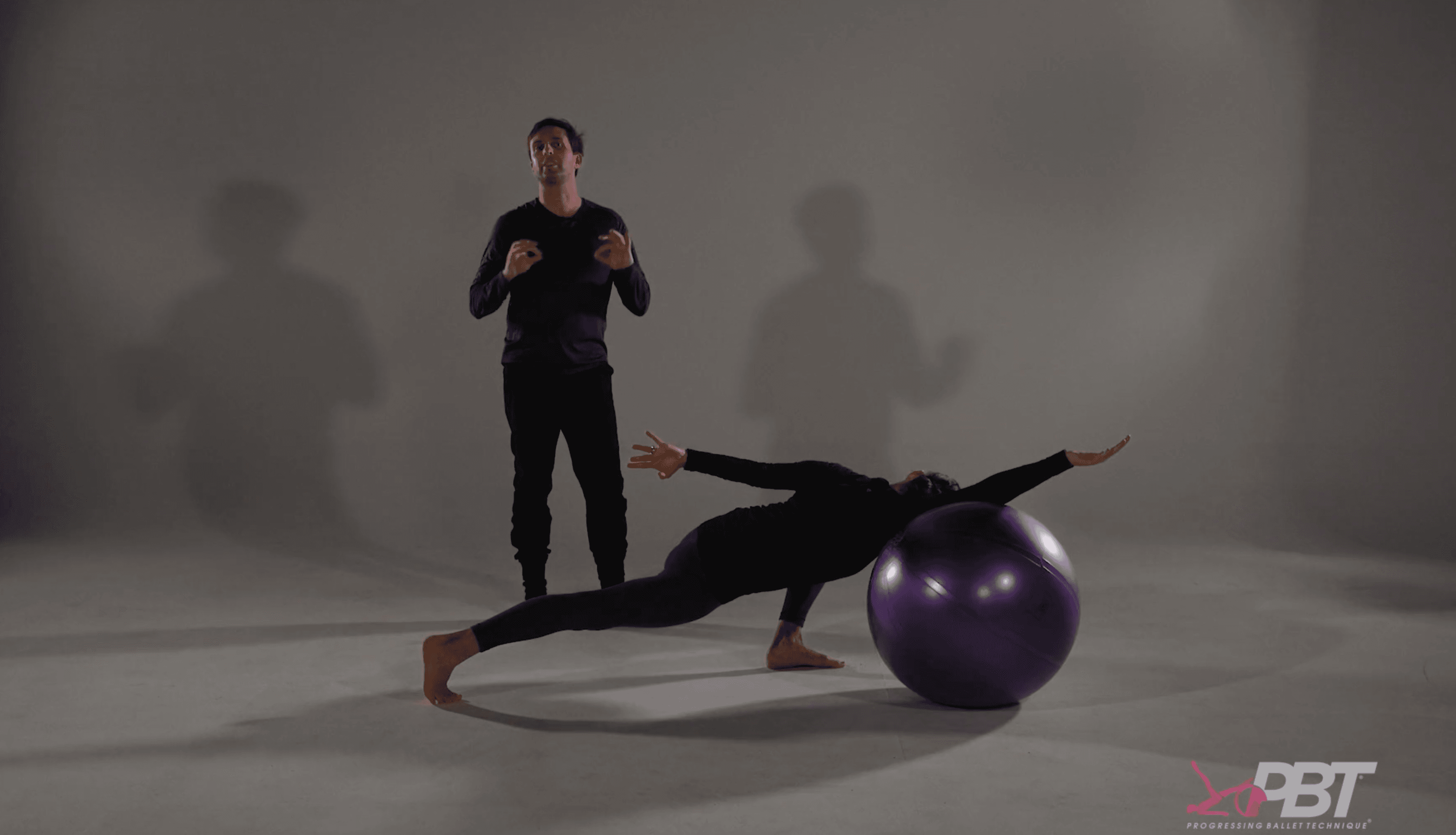 Senior | Flexibility & Mobility
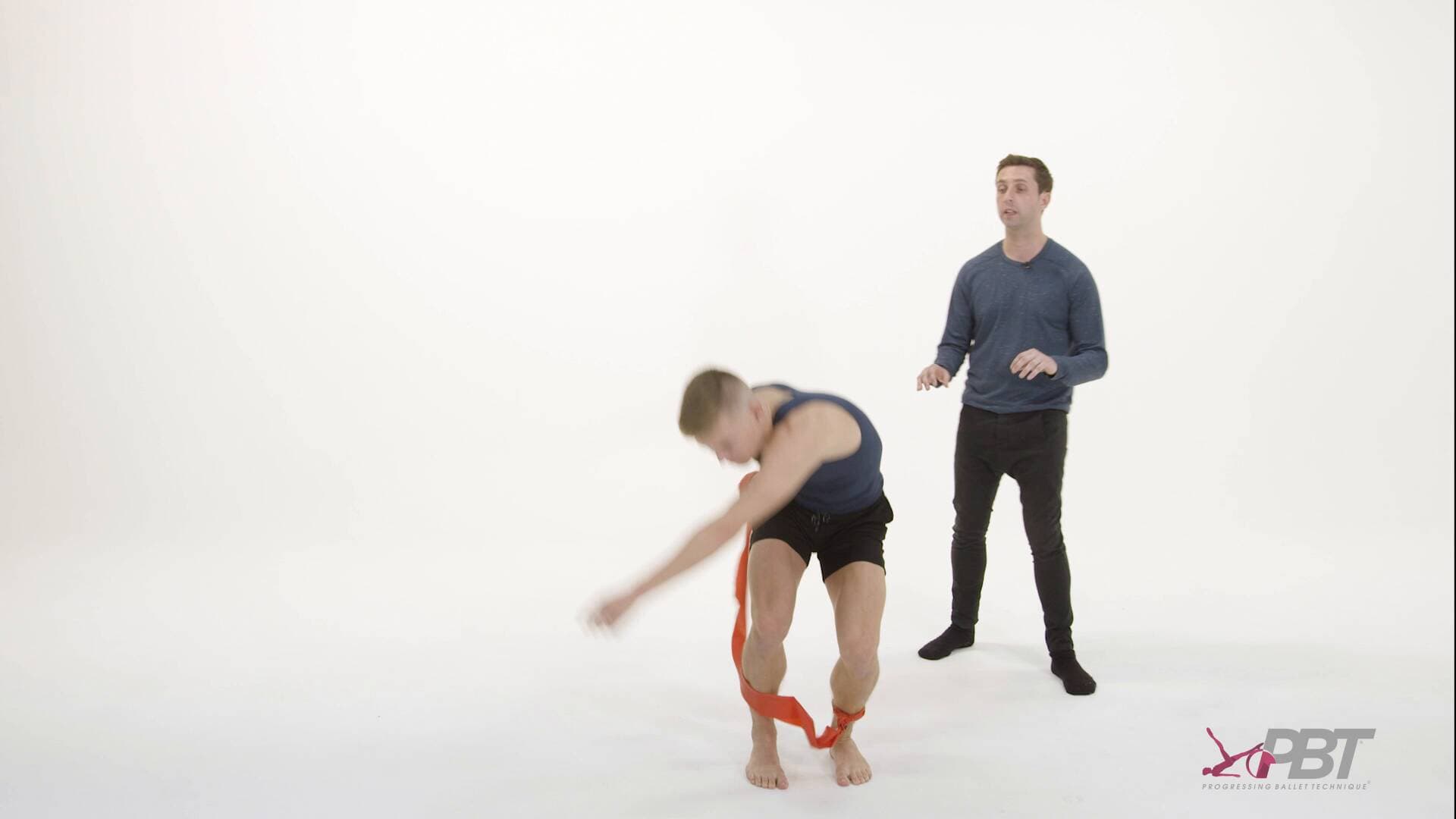
Leg Stabilisation
 Senior | Flexibility & Mobility
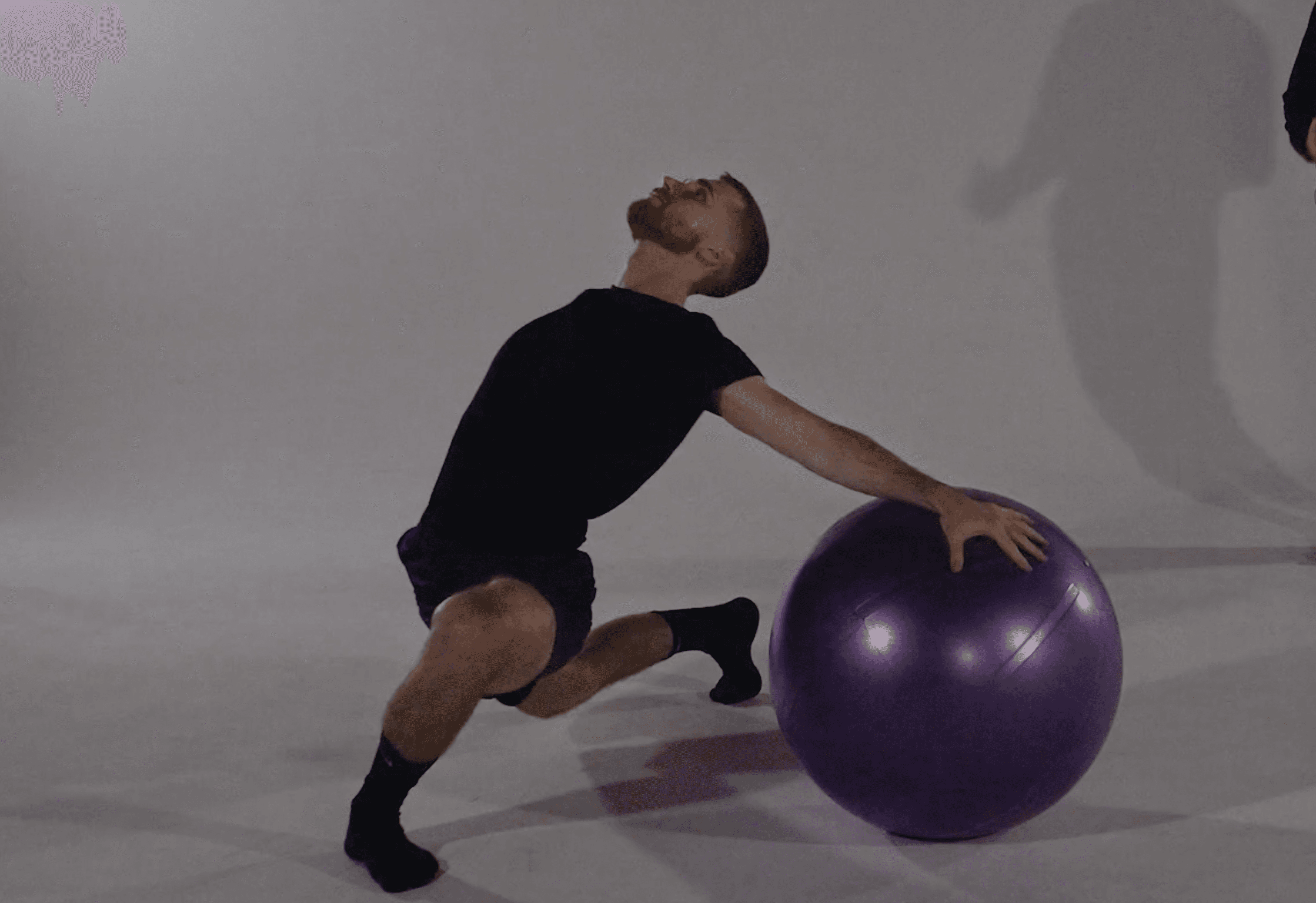
Full body coordination
 Senior | Flexibility & Mobility
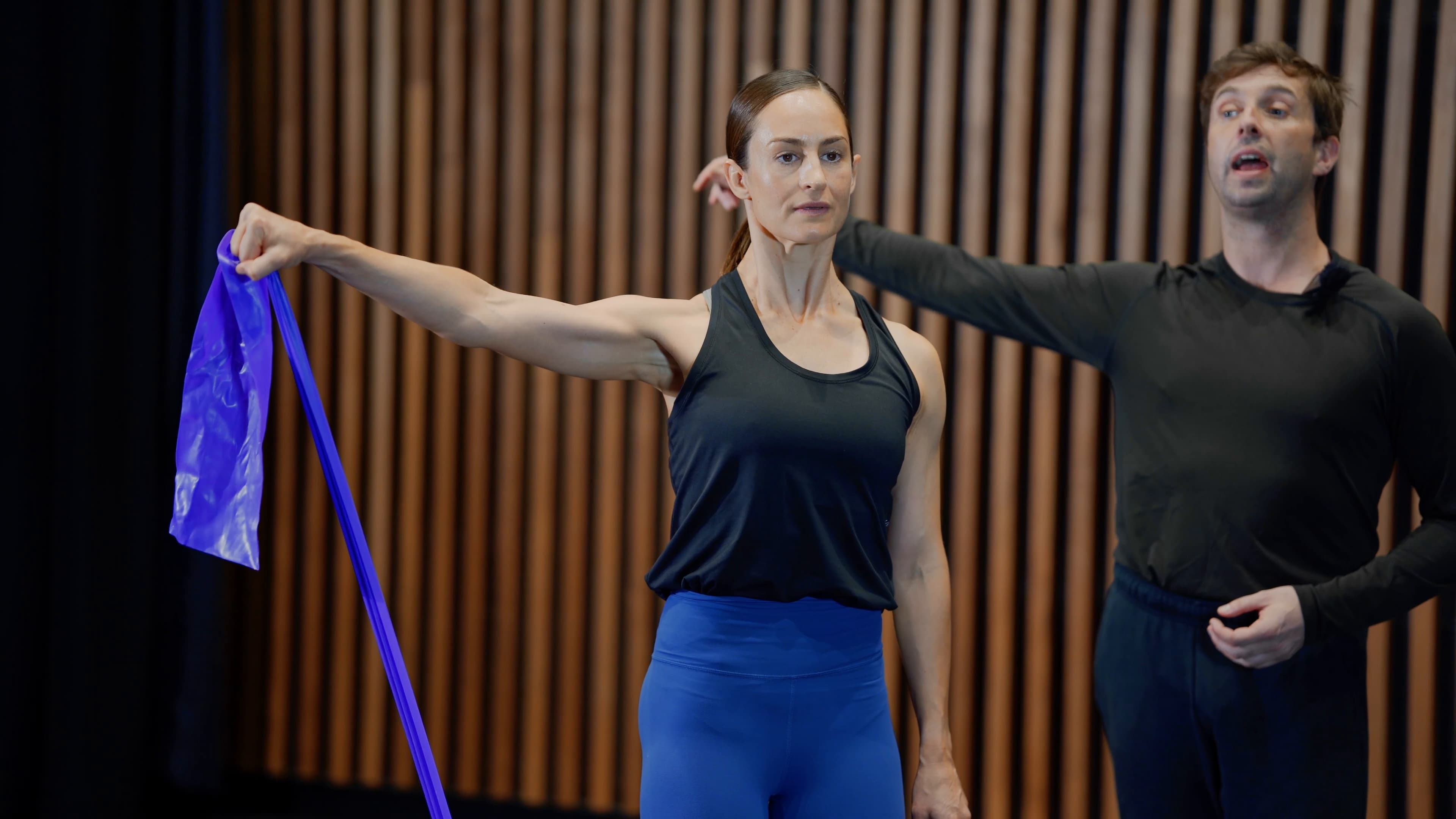
Final Release
 Senior | Flexibility & Mobility
Upper Body Strength and Coordination
Music Used
n/a
Equipment Used

Resistance Band (medium strength)
Contemporary dance is forever evolving and so much of what is required of dancers needs a tremendous amount of upper body strength, especially shoulder stability. This exercise uses the resistance band to strengthen theses muscles whilst still allowing the students to incorporate musicality, breath, suspension and giving weight; which beautifully translates into essential partnering skills. This exercise should be done towards the end of the PCT class. We’re incorporating larger movements that would lead into a contemporary class.
Start with a textbook flat back and the weight evenly distributed between hands and knees. While warming up the shoulders at the start of the exercise be sure the student still keep the scapula pressing down towards the lower back so the shoulders don’t lift towards the ears. As you thread the extended arm under the supporting arm be sure to completely release the tension in the upper body. During the push up make sure the elbows stay close to the body so you’re engaging the triceps Always be sure to remind the student not to be gripping in their hip flexors.
As you lift the arms in the lunge it is once again important that the shoulders don’t lift towards the ears. Tell the students to visualise their back muscles drawing towards their glutes. Be sure their deep pelvic floor muscles are engaged and they’re not collapsing into their lower backs. The knee in the lunge should be placed directly over the foot. Even though the foot is still in parallel the deep rotator on the right leg should still be engaged. Try to make each arm extension with the bands a little bigger then the last and really play with the suspension and release during the movement.
When standing on the band the arm extensions only need to go to shoulder heigh. Once again check the alignment of the parallel. As you circle the band behind the body endeavour to keep as much tension as possible and then allow then let then allow the release of the band to guide the movement. It is essential to remind the student to isolate the upper and lower body. Whilst we’re encouraging a beautiful use of torso you want to make sure the alignment of the knees is always sustained.
Frequently asked questions
Comments and Questions
Sign up to our newsletter
Receive tips, news, and advice.

Copyright © 2025 Progressing Ballet Technique. All Rights Reserved