TFL, Isquiotibiales y Glúteos – Extensión
Avanzado
Rotación externa
Compartir
 Avanzado | Rotación externa
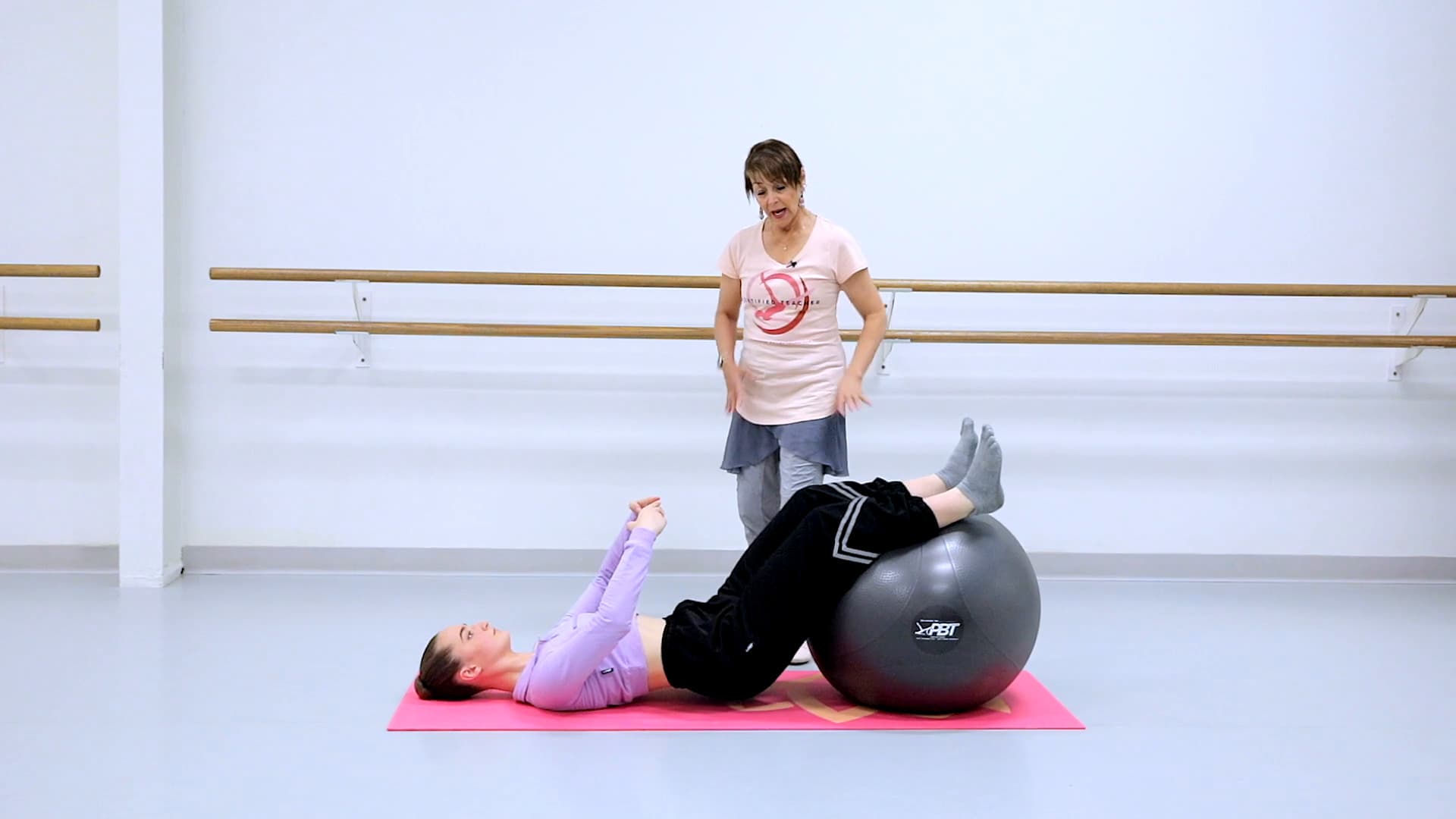
Bridge with Demi Plié
 Avanzado | Rotación externa
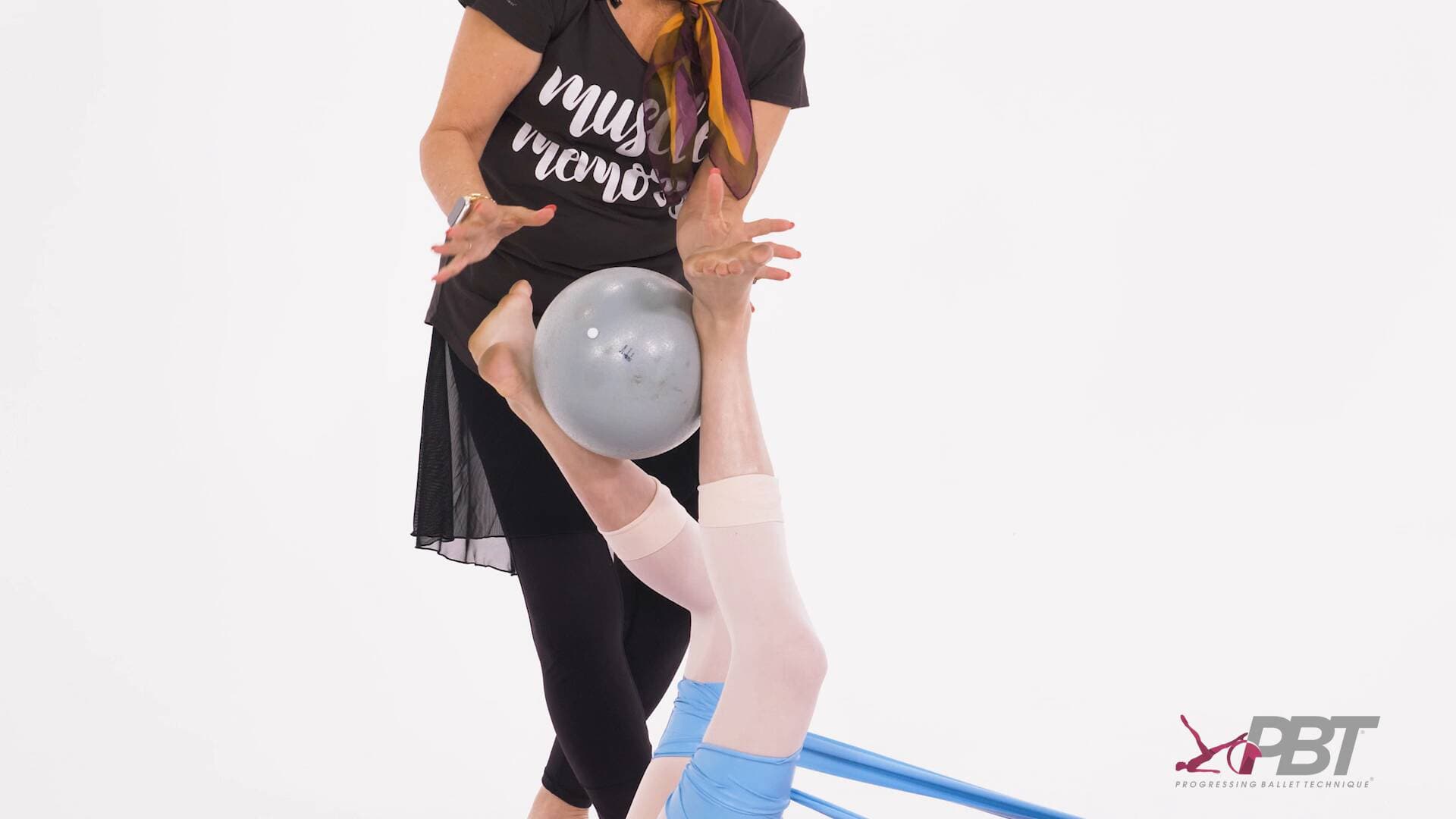
Passé with Bands
 Avanzado | Rotación externa
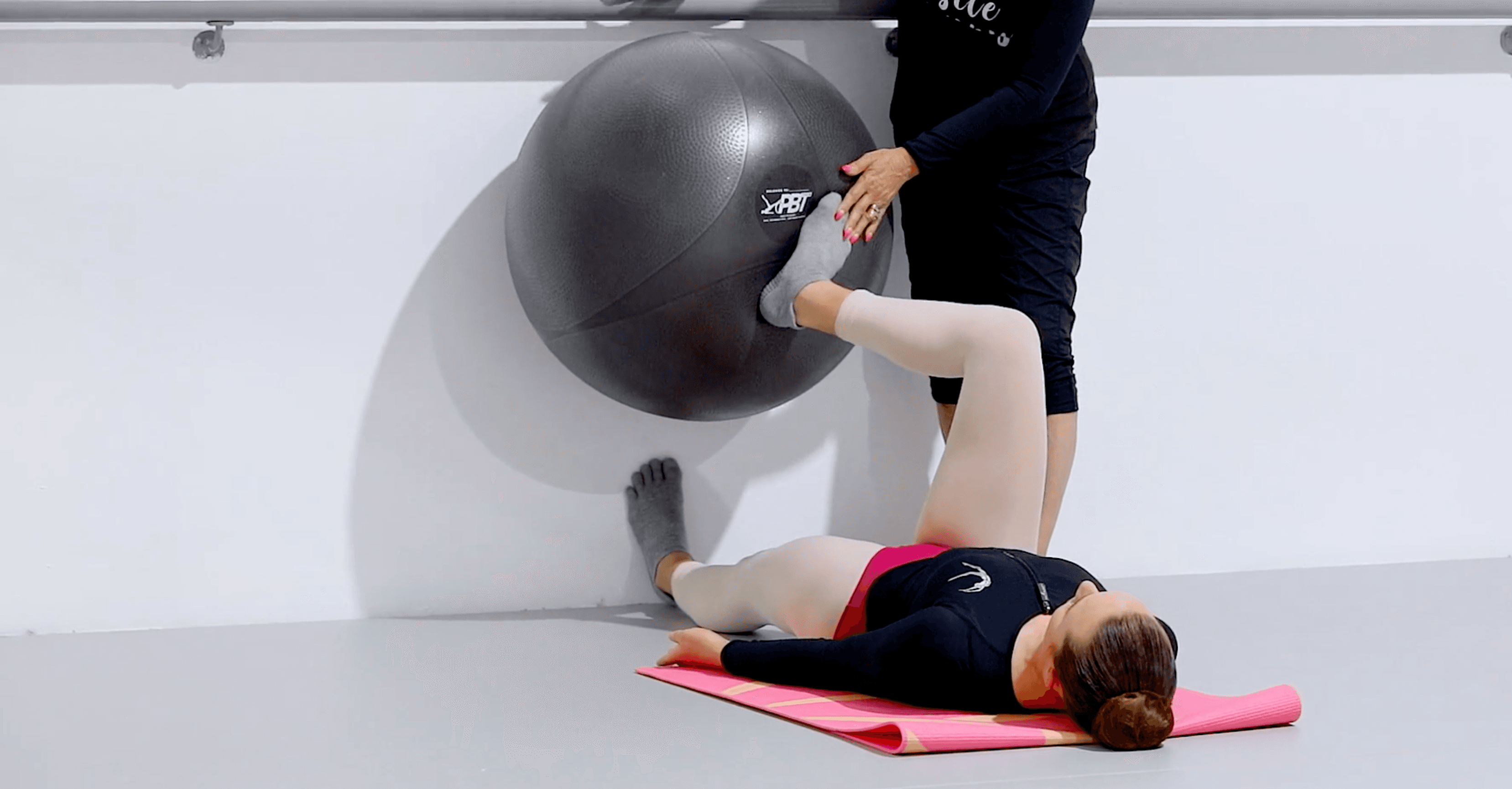
Rotation Presses
 Avanzado | Rotación externa
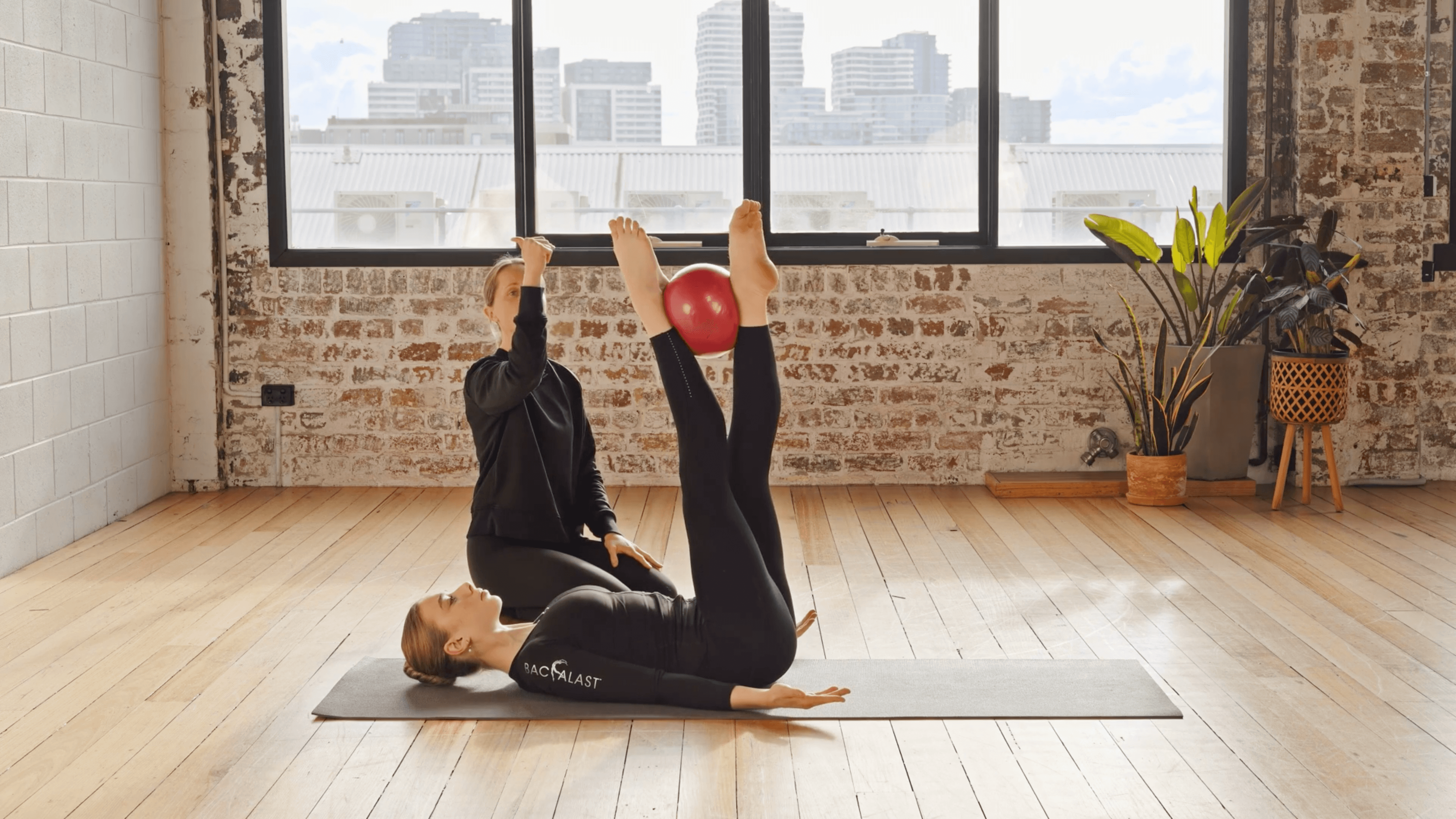
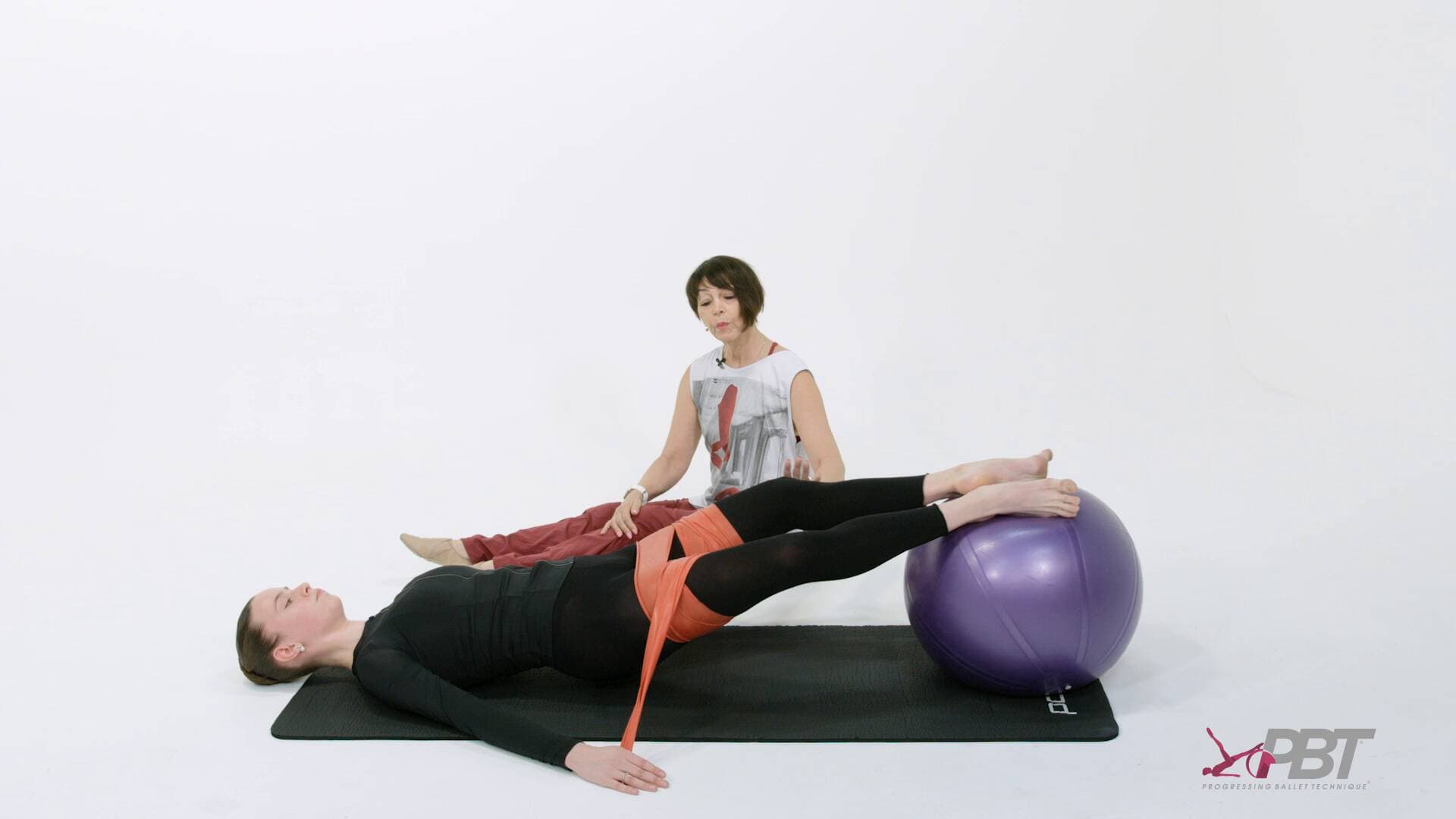
Almejas y Giros de Piernas
 Avanzado | Rotación externa
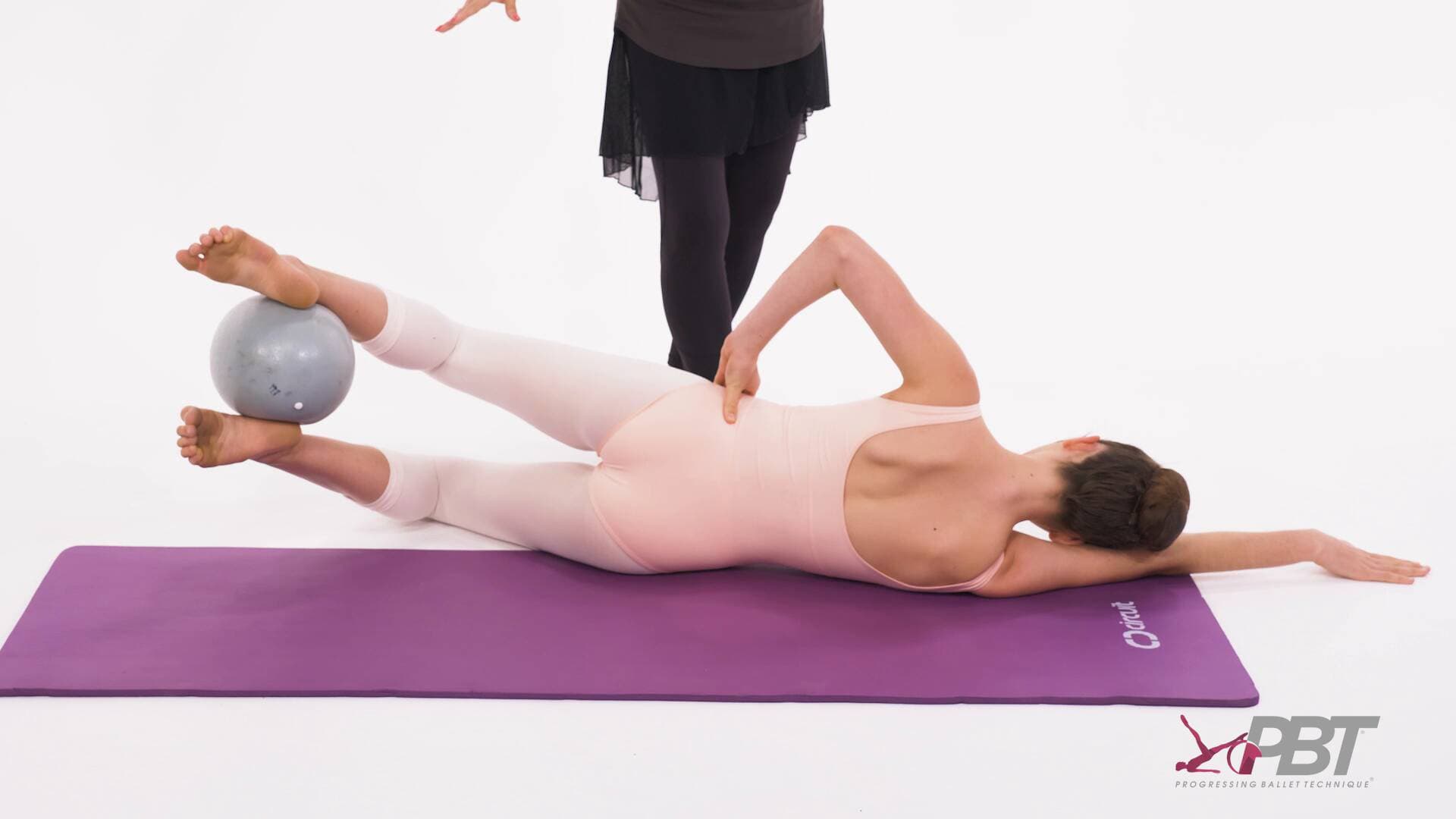
Wrapping en Gran Plié
 Avanzado | Rotación externa
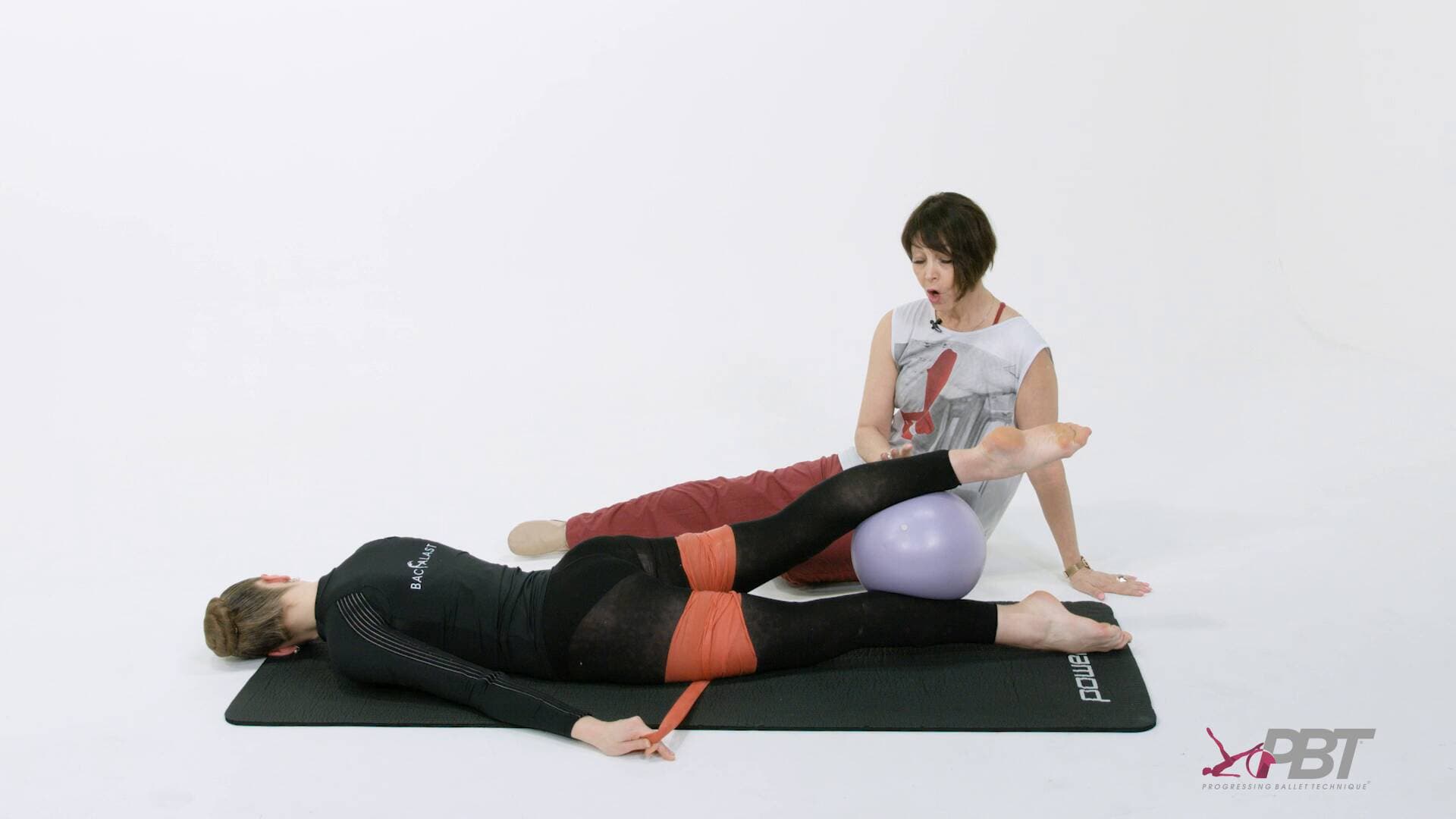
Almejas y Core – Extensión
 Avanzado | Rotación externa
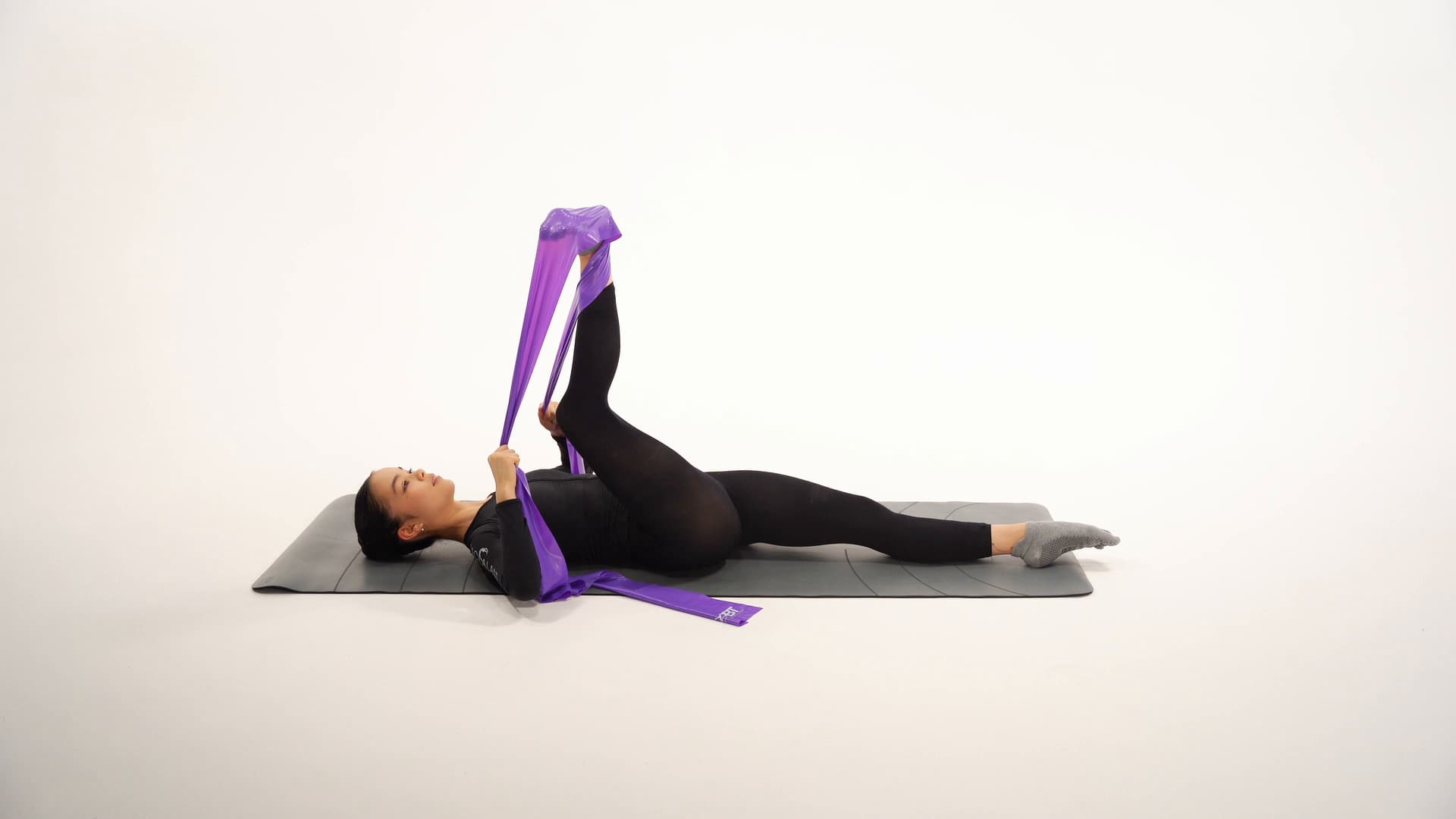
Tijeras con bandas
 Avanzado | Rotación externa
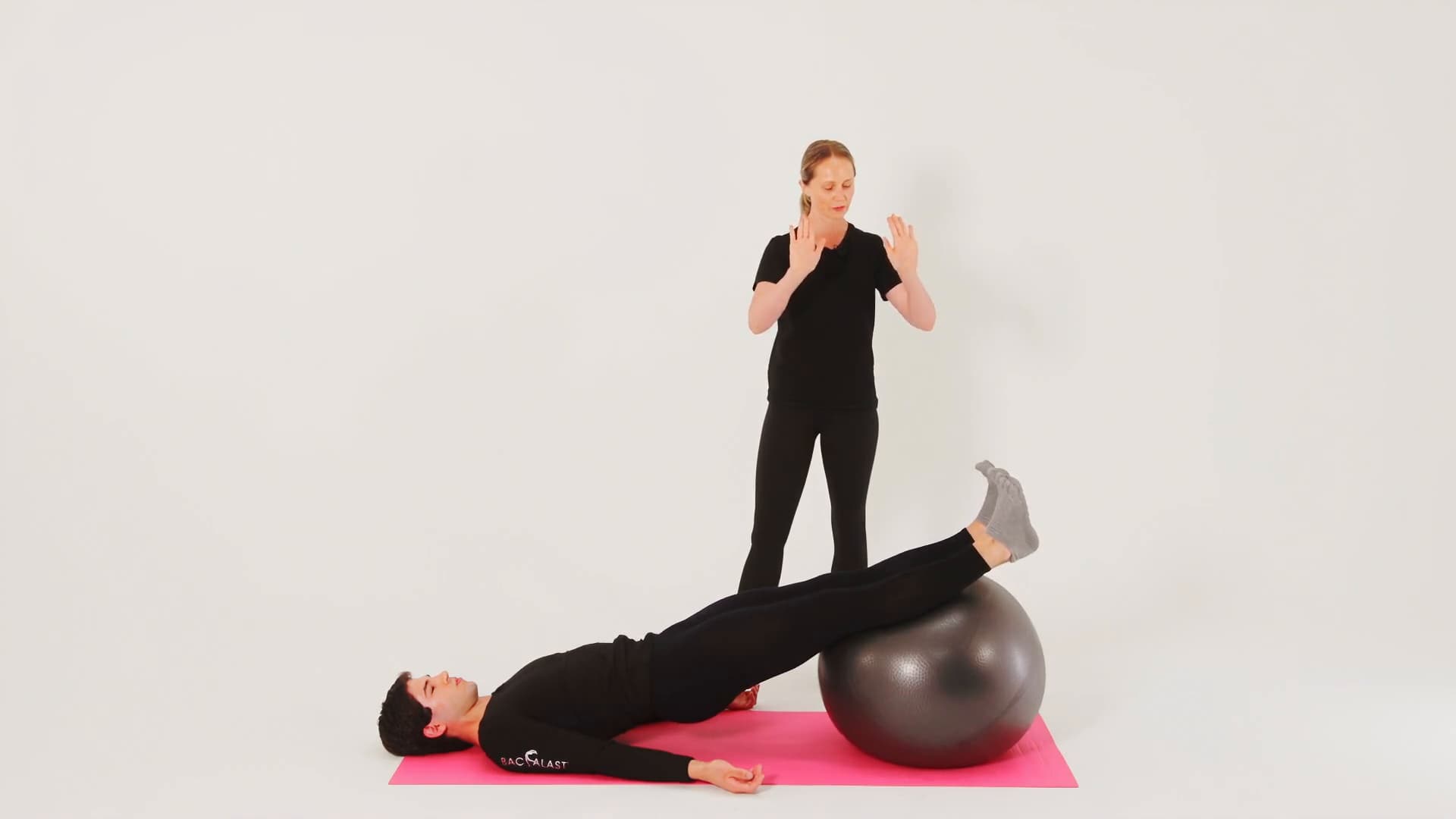
External Rotation with Bands
 Avanzado | Rotación externa
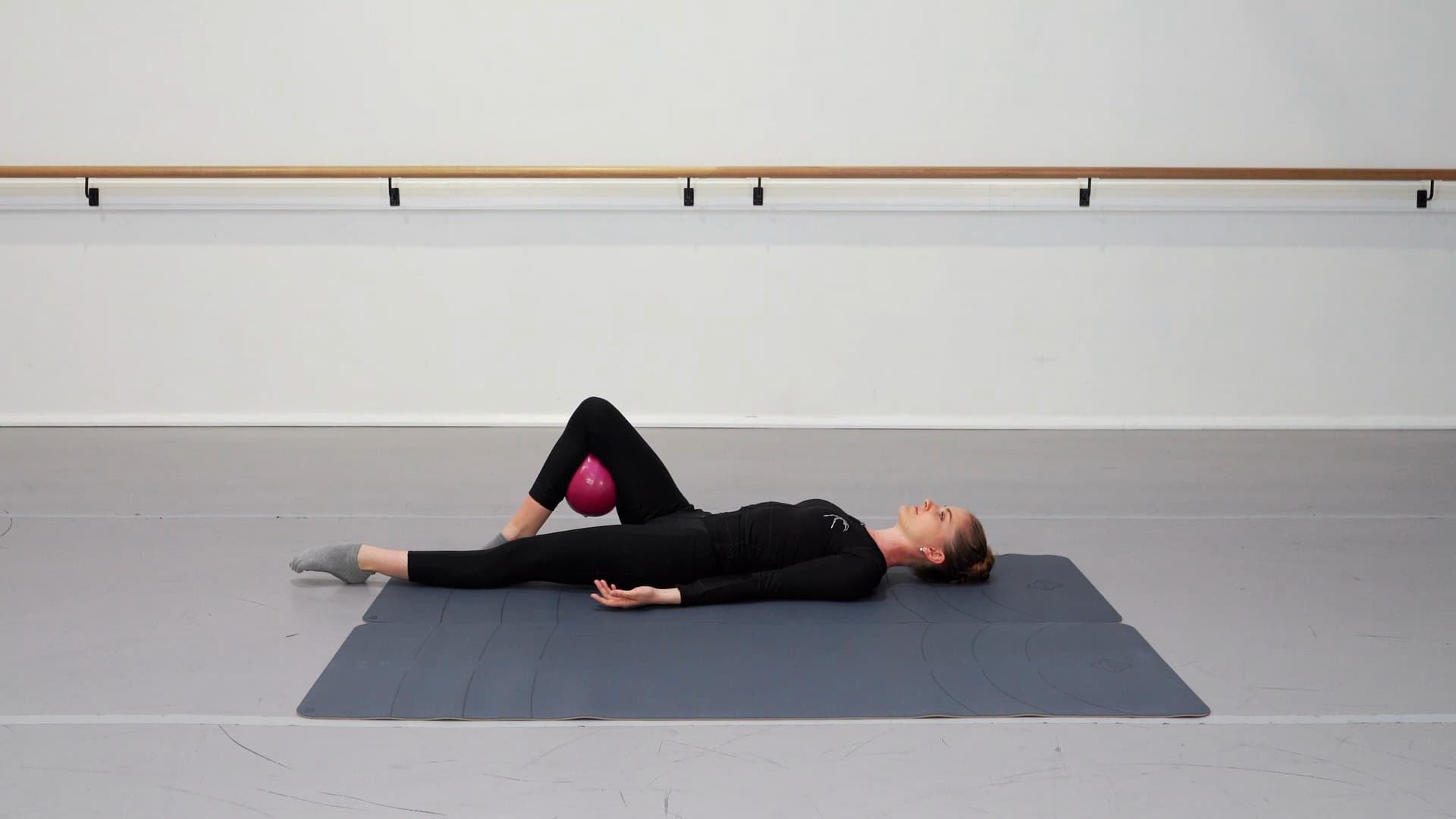
Rotación Profunda
 Avanzado | Rotación externa
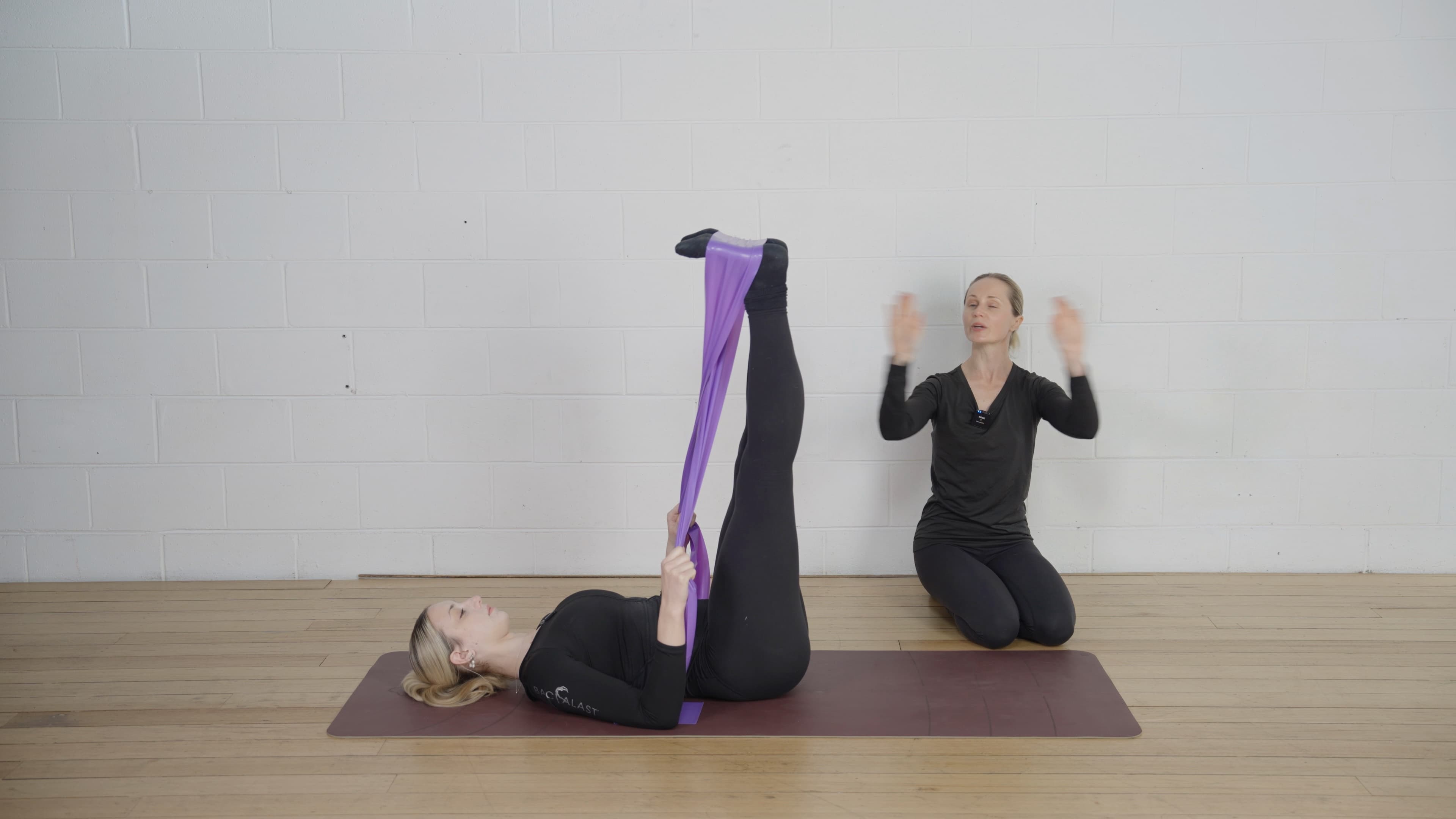
Acondicionamiento Controlado de Cadera y Glúteos
 Avanzado | Rotación externa
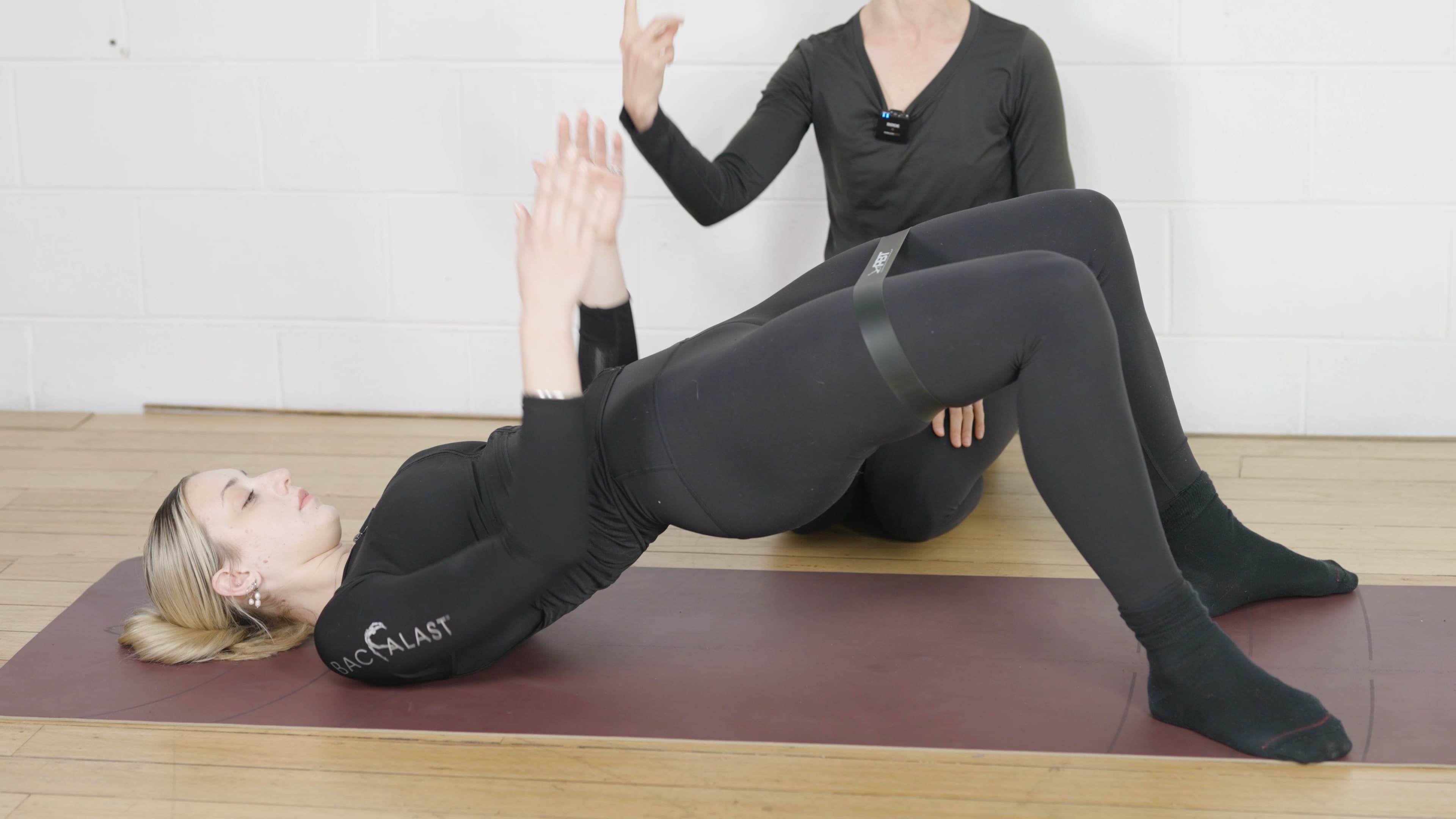
Turnout Resistance
 Avanzado | Rotación externa
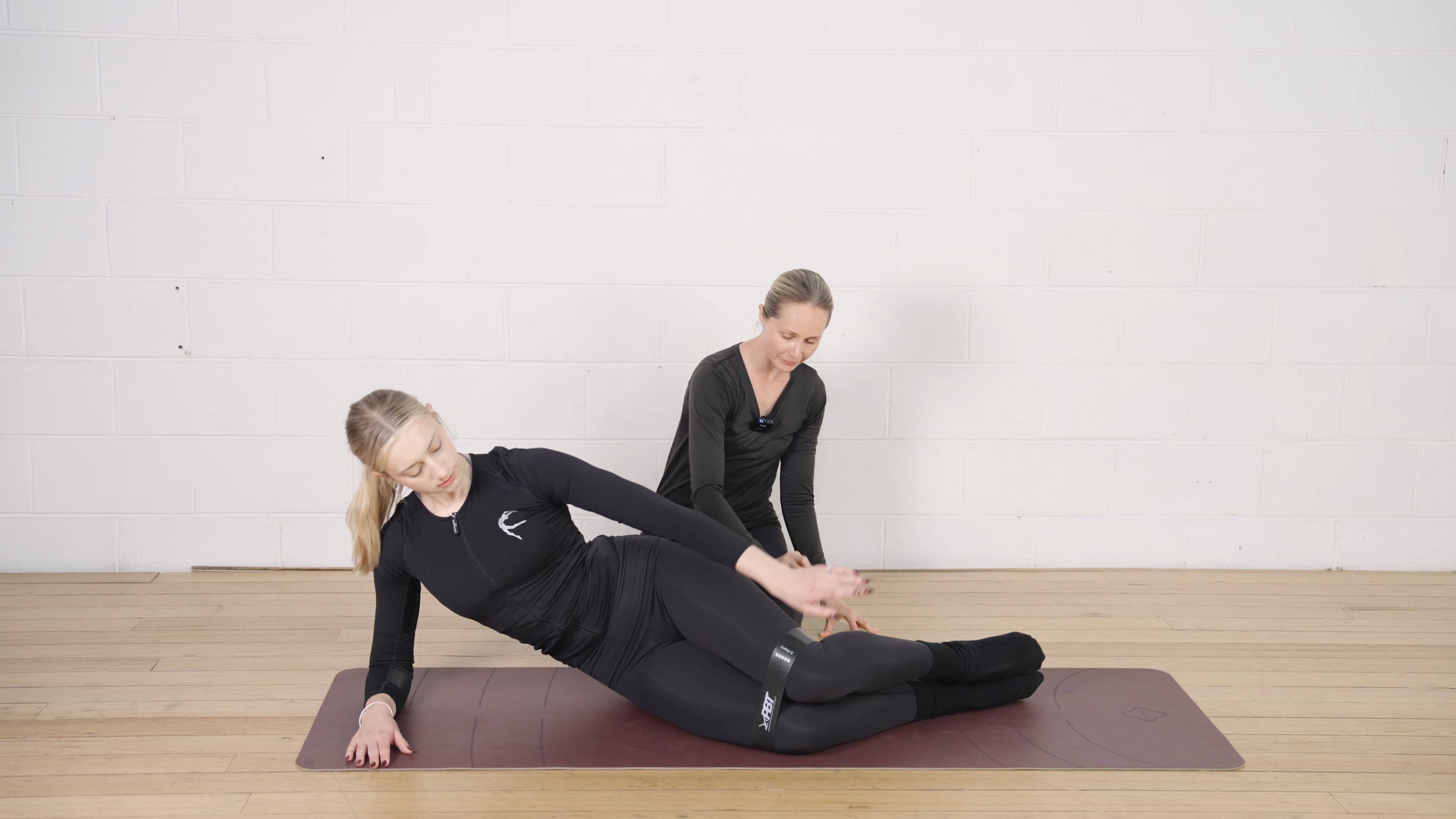
Building Turnout
 Avanzado | Rotación externa
Core & Hip Warm-up
 Avanzado | Rotación externa
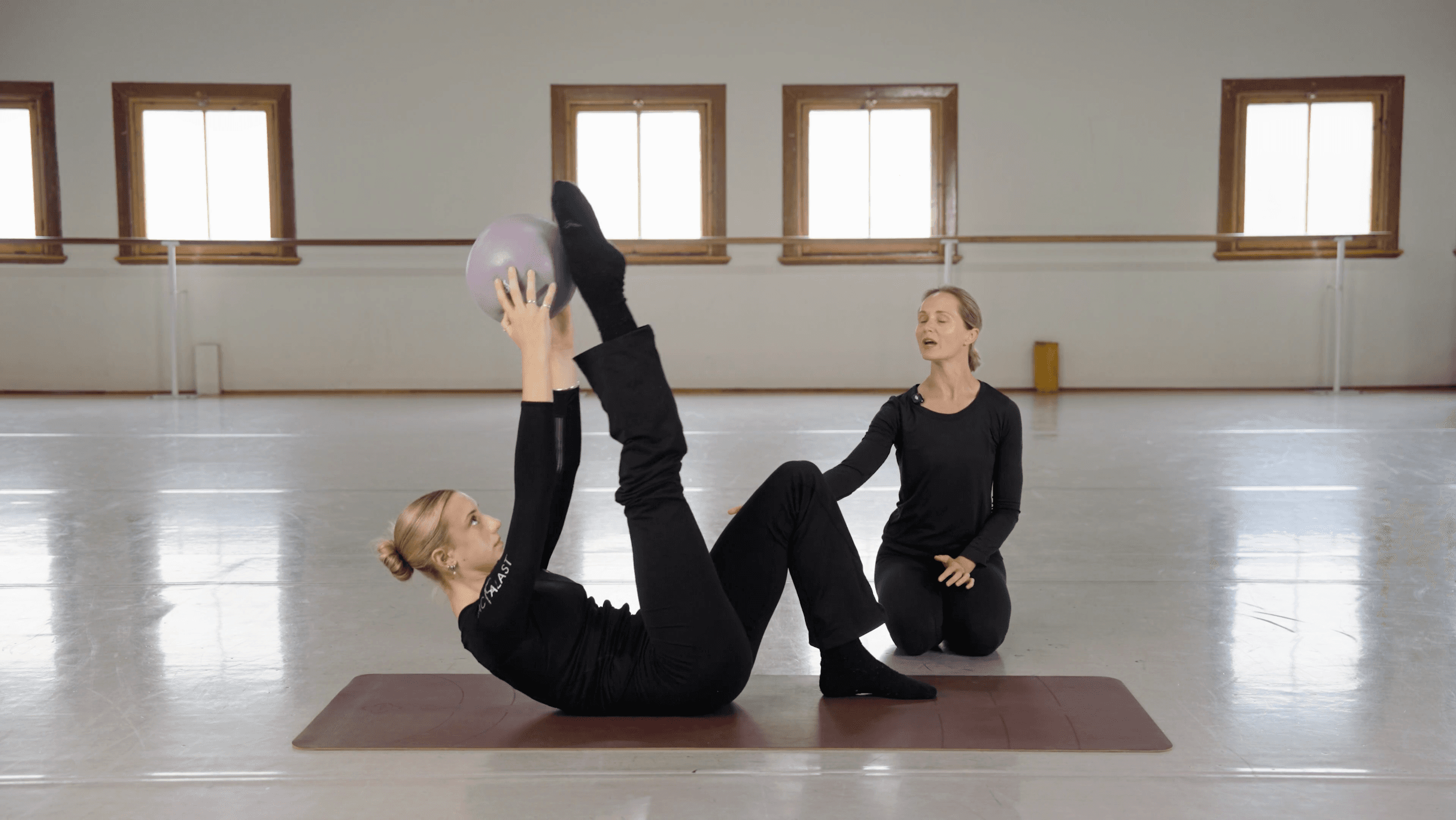
Building Turnout – Level 2
 Avanzado | Rotación externa
Estabilidad y Control
 Avanzado | Rotación externa
Fortalecimiento de la Rotación y Alineación
 Avanzado | Rotación externa
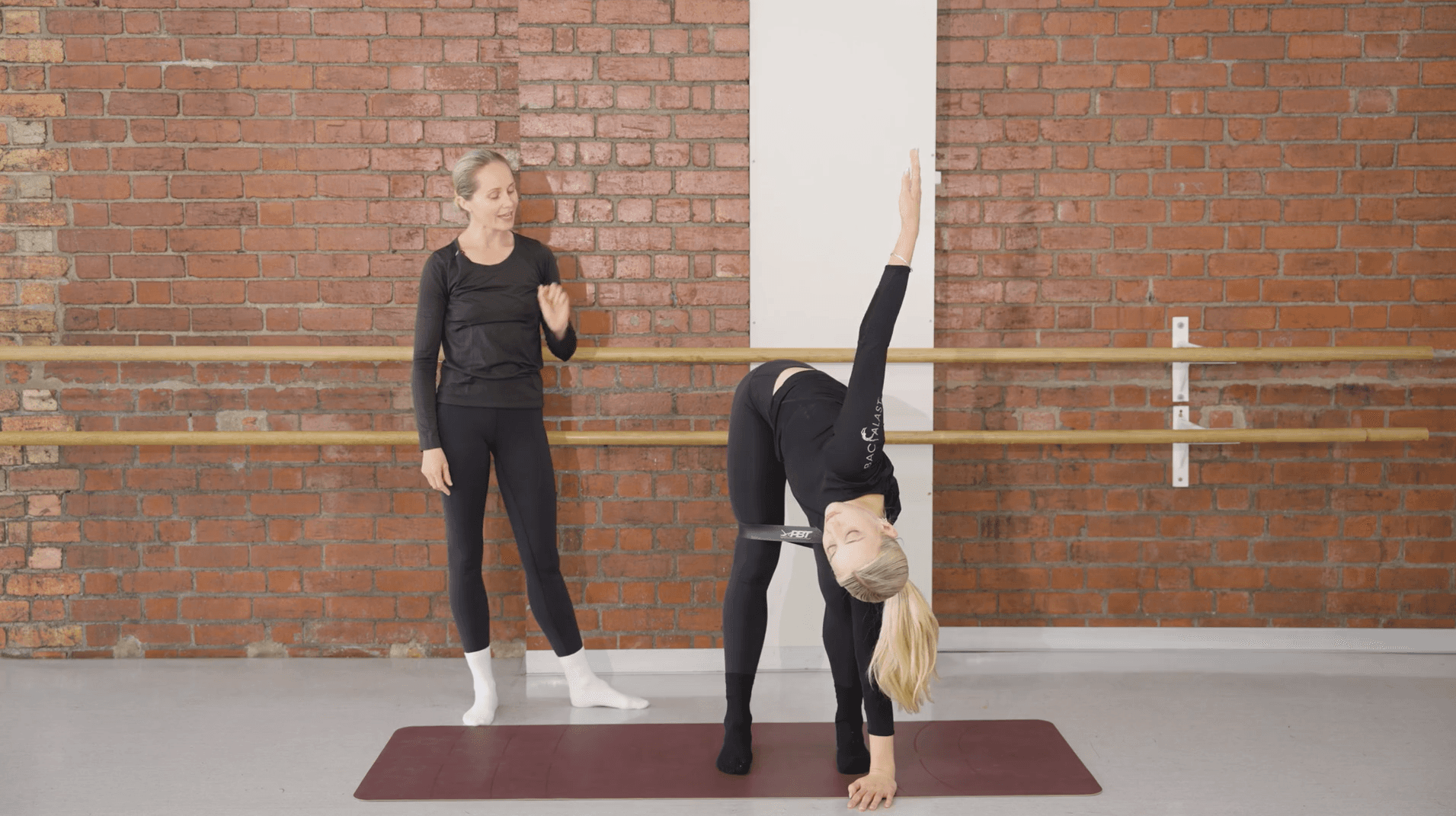
Internal & External Rotation
 Avanzado | Rotación externa
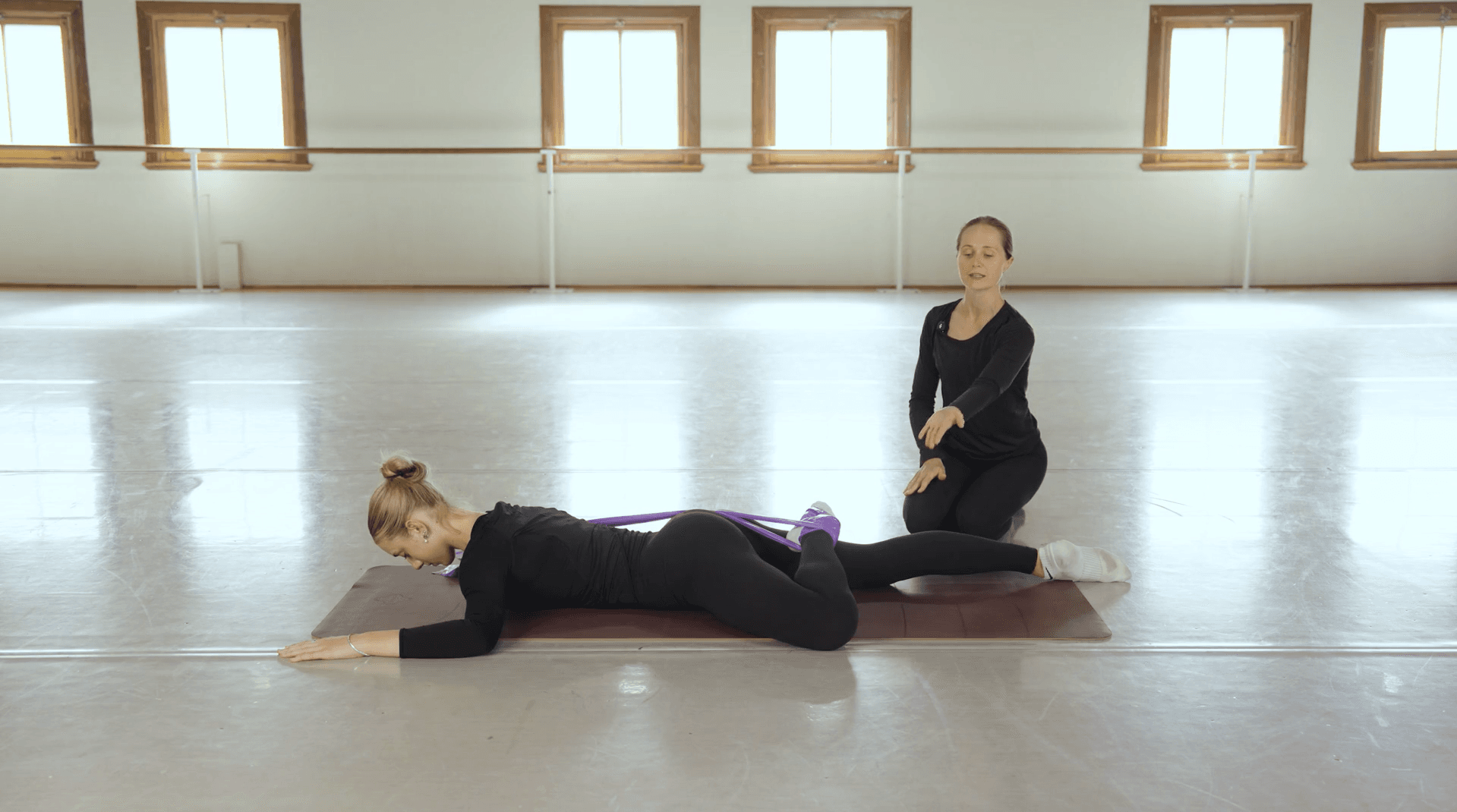
Piernas Poderosas
 Avanzado | Rotación externa
Deep Rotators
 Avanzado | Rotación externa
Rotación Profunda
 Avanzado | Rotación externa
Hip Opening with Rotation
Música utilizada
Lavende - Yakushima | Ballet Class App
Equipo Utilizado

Pelota de Pilates
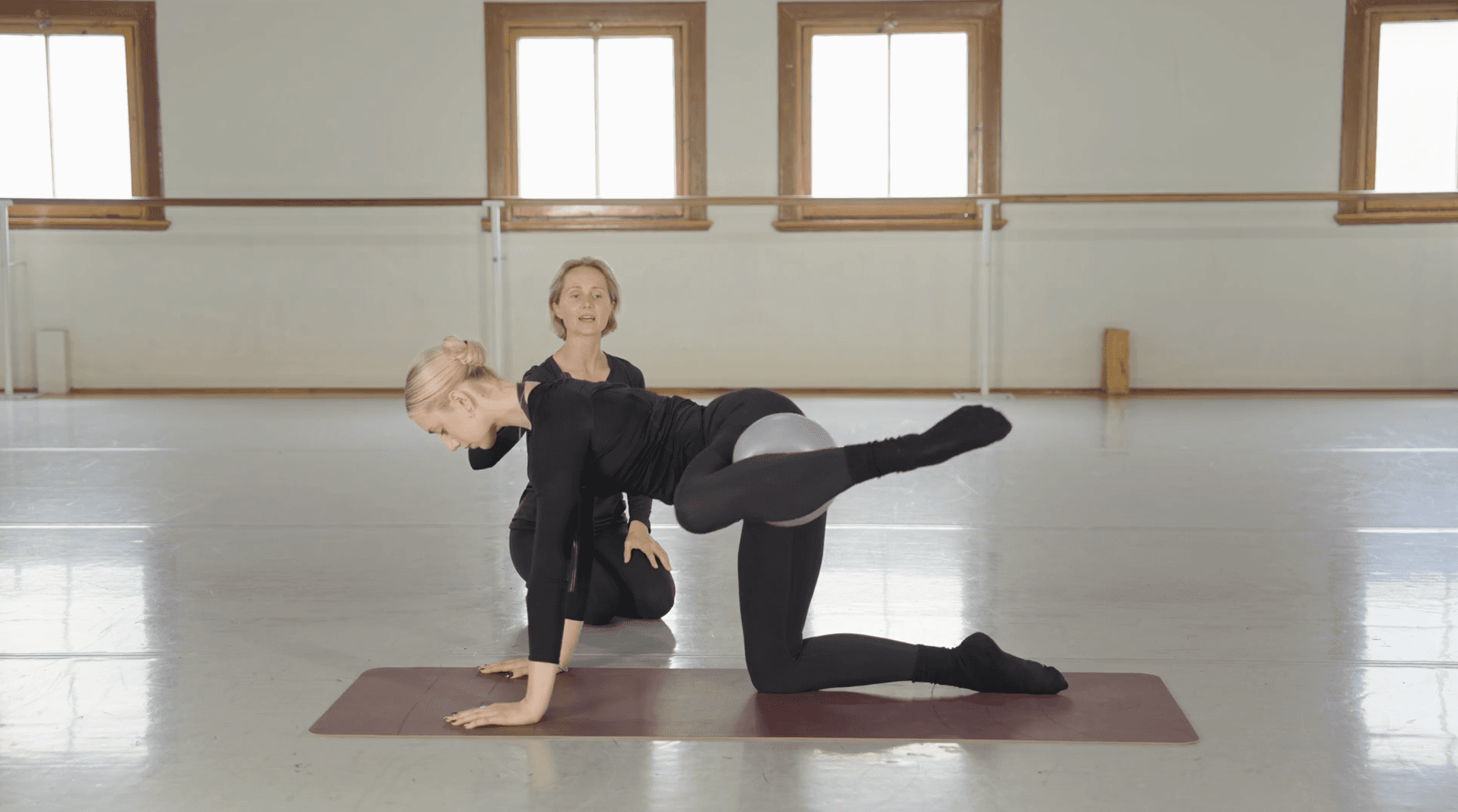
Este ejercicio está diseñado para llevar a les alumnes a un nivel de mayor activación del glúteo medio y menor. Estos músculos ayudan a estabilizar la pierna de apoyo y a evitar que la pelvis se hunda hacia el lado de la pierna de trabajo. El ejercicio está cuidadosamente planificado para reforzar la estabilidad y la fuerza que necesita une bailarine, destacando la importancia del control del movimiento y de la activación muscular para mantener una buena postura y técnica de ballet.
Preparación:
Comiencen con les alumnes acostades boca arriba, colocando la pelota de pilates debajo de la parte alta de la pantorrilla y la zona de los isquiotibiales de una pierna. Esa pierna debe estar elevada en posición de mesa, mientras la otra permanece flexionada, con el pie apoyado sobre el mat.
Pasos:
1. Guía a les alumnes en una serie de tres puentes con la pierna de trabajo elevada y la pelota de pilates colocada entre la pantorrilla y los isquiotibiales, fomentando un movimiento articulado de la columna en cada puente.
2. Luego pasa a una posición de cuatro apoyos, con las muñecas debajo de los hombros y manteniendo la pierna de trabajo suspendida apenas por encima del mat.
3. Indica elevar la pierna de trabajo en paralelo, pasar a attitude derrière e incorporar una inclinación del torso hacia el suelo con los tríceps activos mientras la pierna se eleva. Luego baja la pierna nuevamente a la posición suspendida y repite. Para finalizar, eleva el brazo opuesto en línea de arabesque para trabajar el equilibrio.
4. Vuelve de forma fluida rodando hasta la posición inicial. Repite el ejercicio completo.
5. Repite del otro lado.
Enfoque: Enfatiza la importancia de una activación profunda del suelo pélvico, de mantener la alineación de los hombros y de activar los tríceps de forma constante. Asegúrate de que les alumnes mantengan el cuello alargado y la mirada hacia el suelo para favorecer el equilibrio.
Preguntas frecuentes
Comentarios y Preguntas
Suscríbete a nuestro newsletter
Recibe consejos, noticias y recomendaciones.

Derechos de Autor © 2025 Progressing Ballet Technique. Todos los derechos reservados