Weight Placement Check
Avanzado
Colocación del peso
Compartir
 Avanzado | Colocación del peso
Value of the supporting leg
 Avanzado | Colocación del peso
Equilibrio con Control
 Avanzado | Colocación del peso
Extensión de la alineación
 Avanzado | Colocación del peso
Challenge Your Balance
 Avanzado | Colocación del peso
Alineación & estabilidad
 Avanzado | Colocación del peso
Upper Body with Alignment
 Avanzado | Colocación del peso
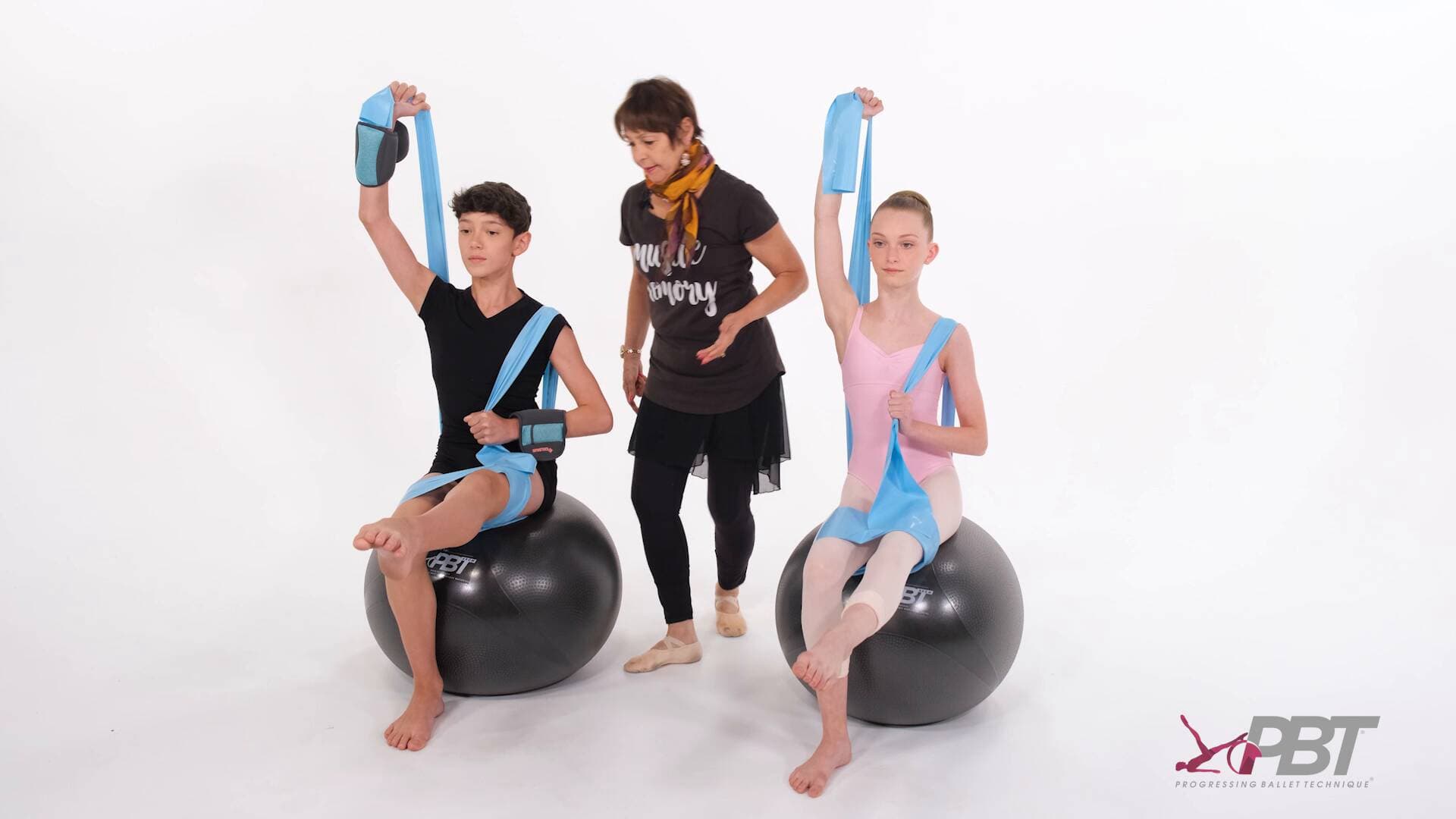
Extensión de elevación de pierna con banda de resistencia
 Avanzado | Colocación del peso
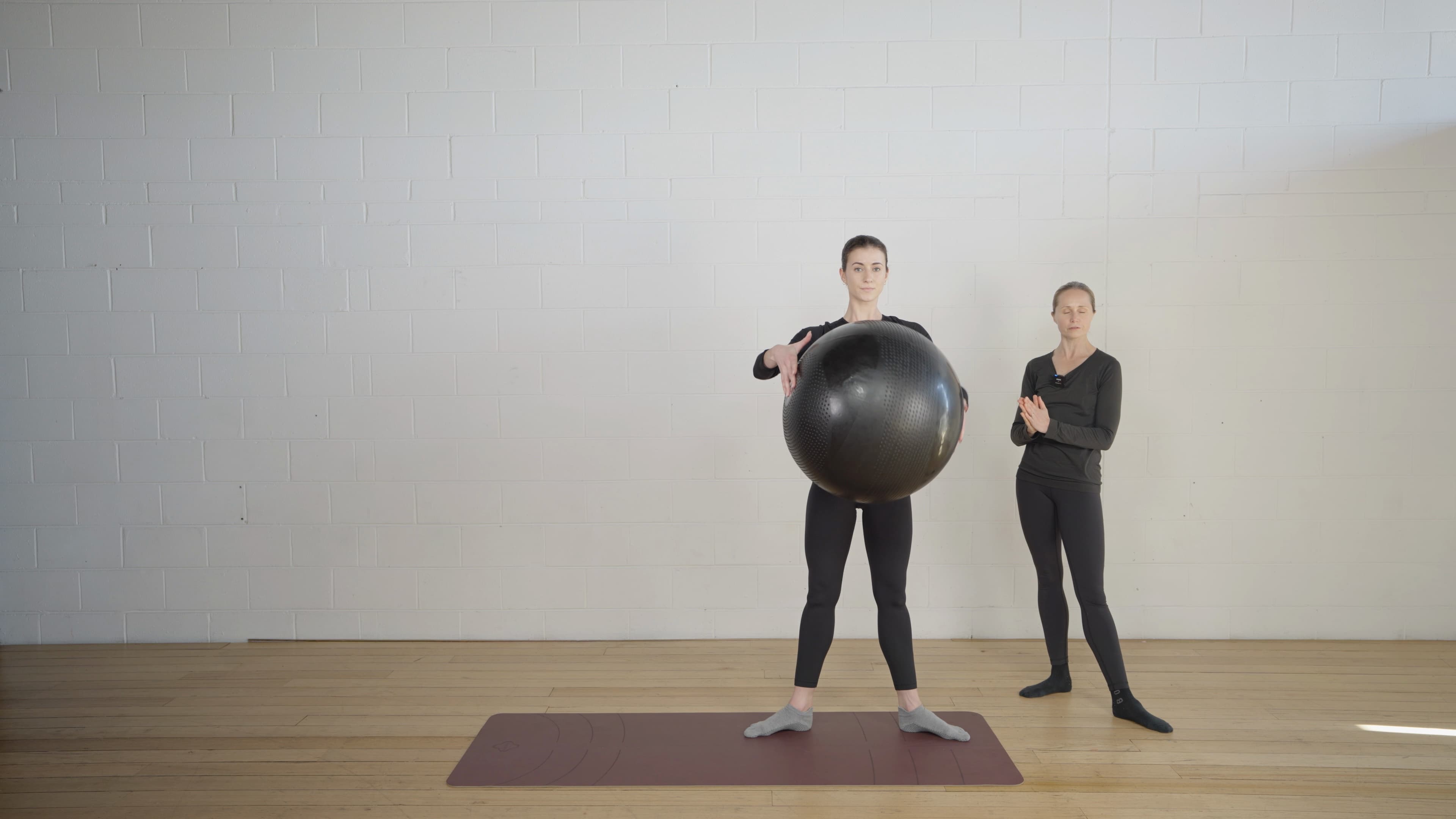
Colocación Controlada
 Avanzado | Colocación del peso
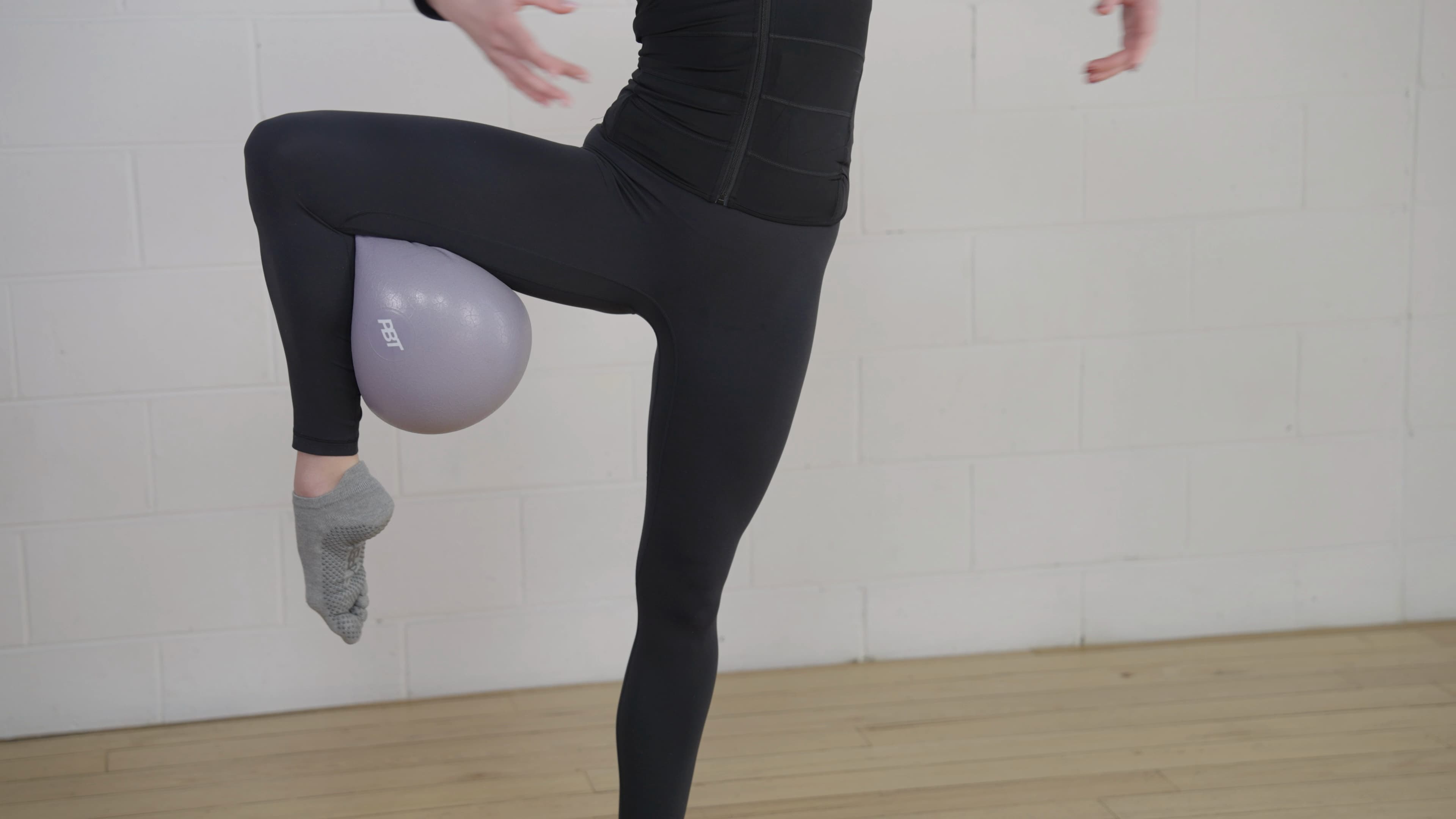
Equilibrio para Piruetas
 Avanzado | Colocación del peso
Controlled Placement – Level 2
 Avanzado | Colocación del peso
Poder en la Colocación del Peso
 Avanzado | Colocación del peso
Control with Stability
 Avanzado | Colocación del peso
Relevé Transitions
Música utilizada
Bayadère Velo | Ballet Class App
Equipo Utilizado

Pelota de esferodinamia / Fitt Ball

Barra de Ballet
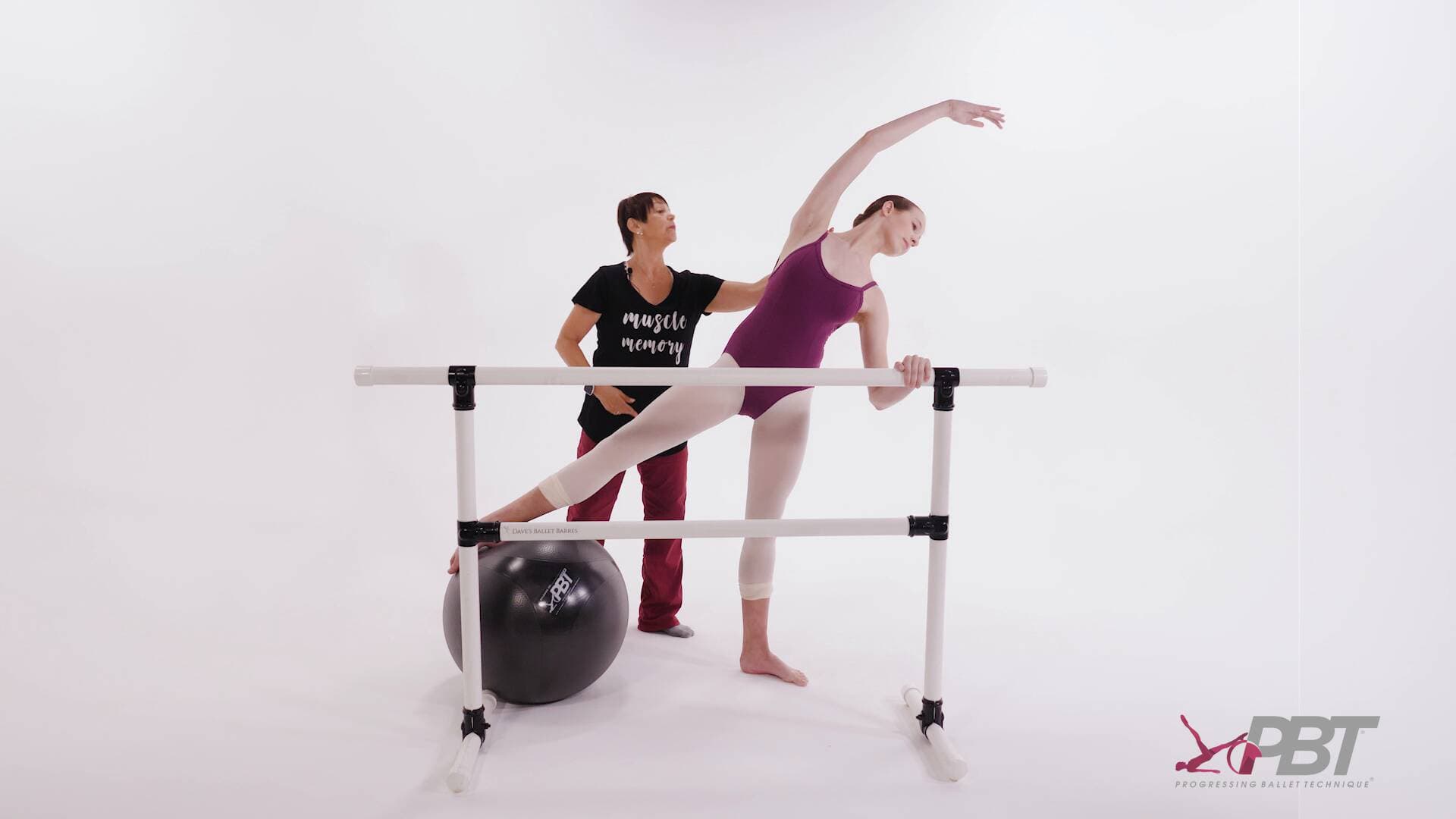
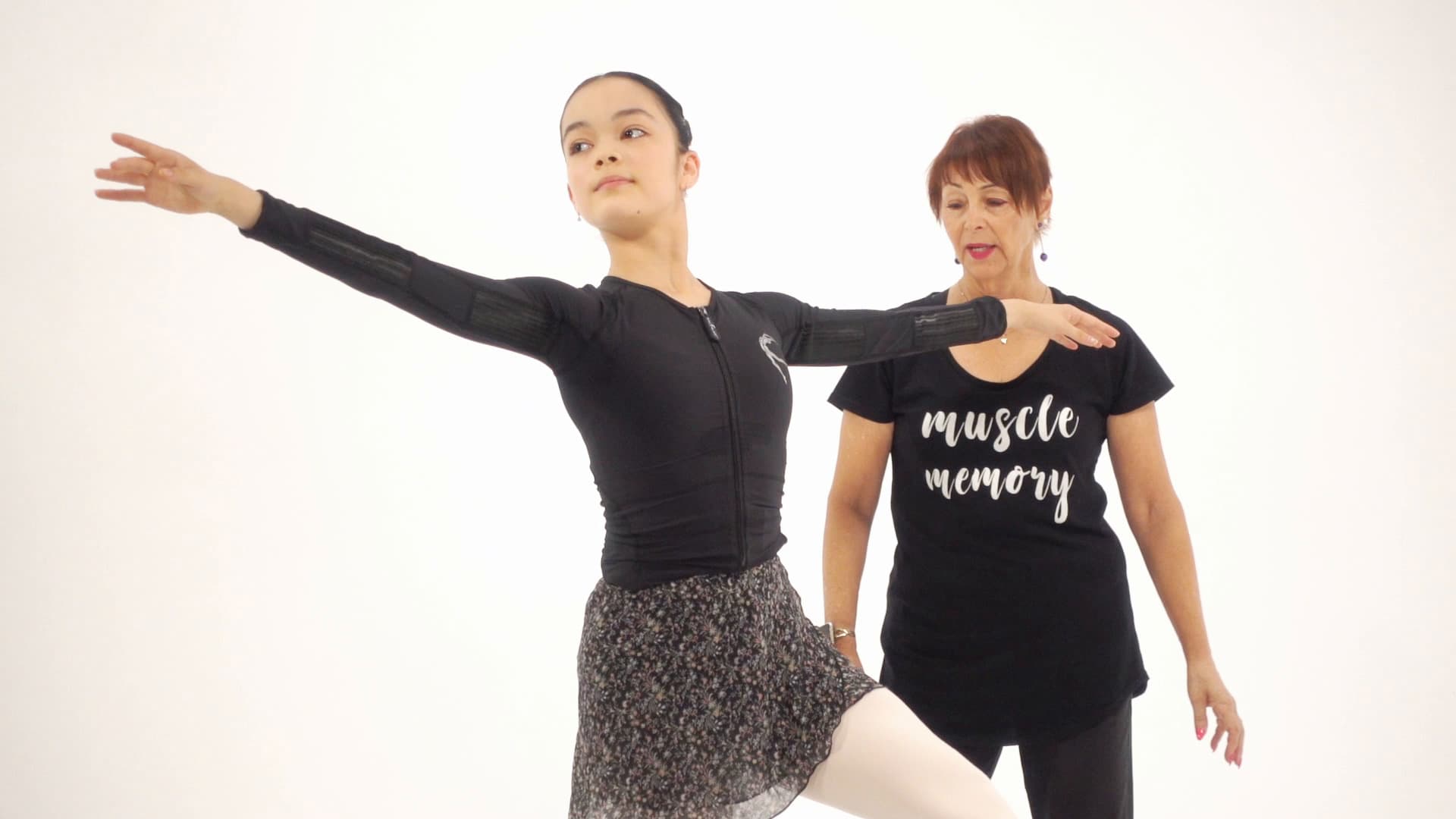
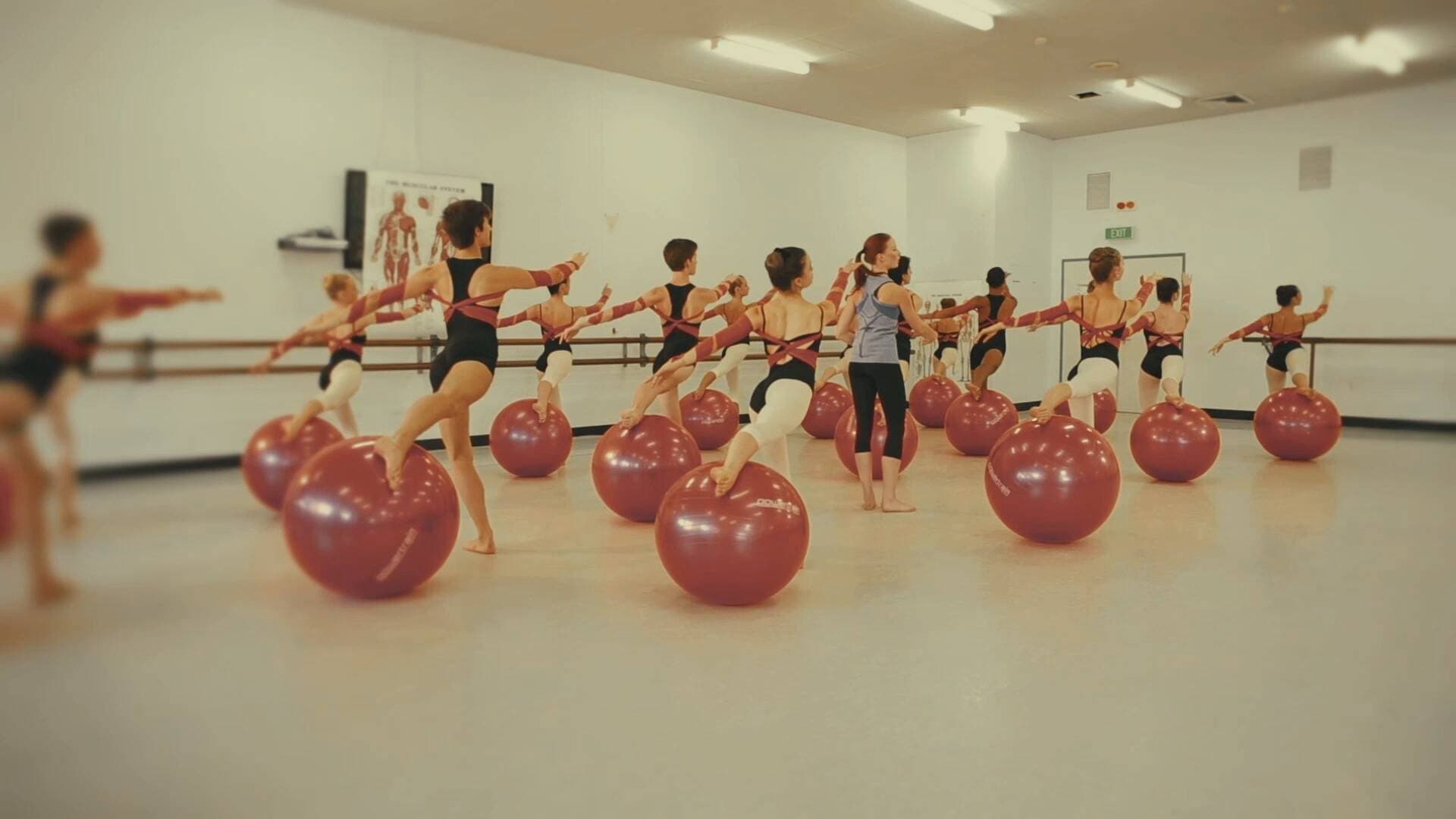
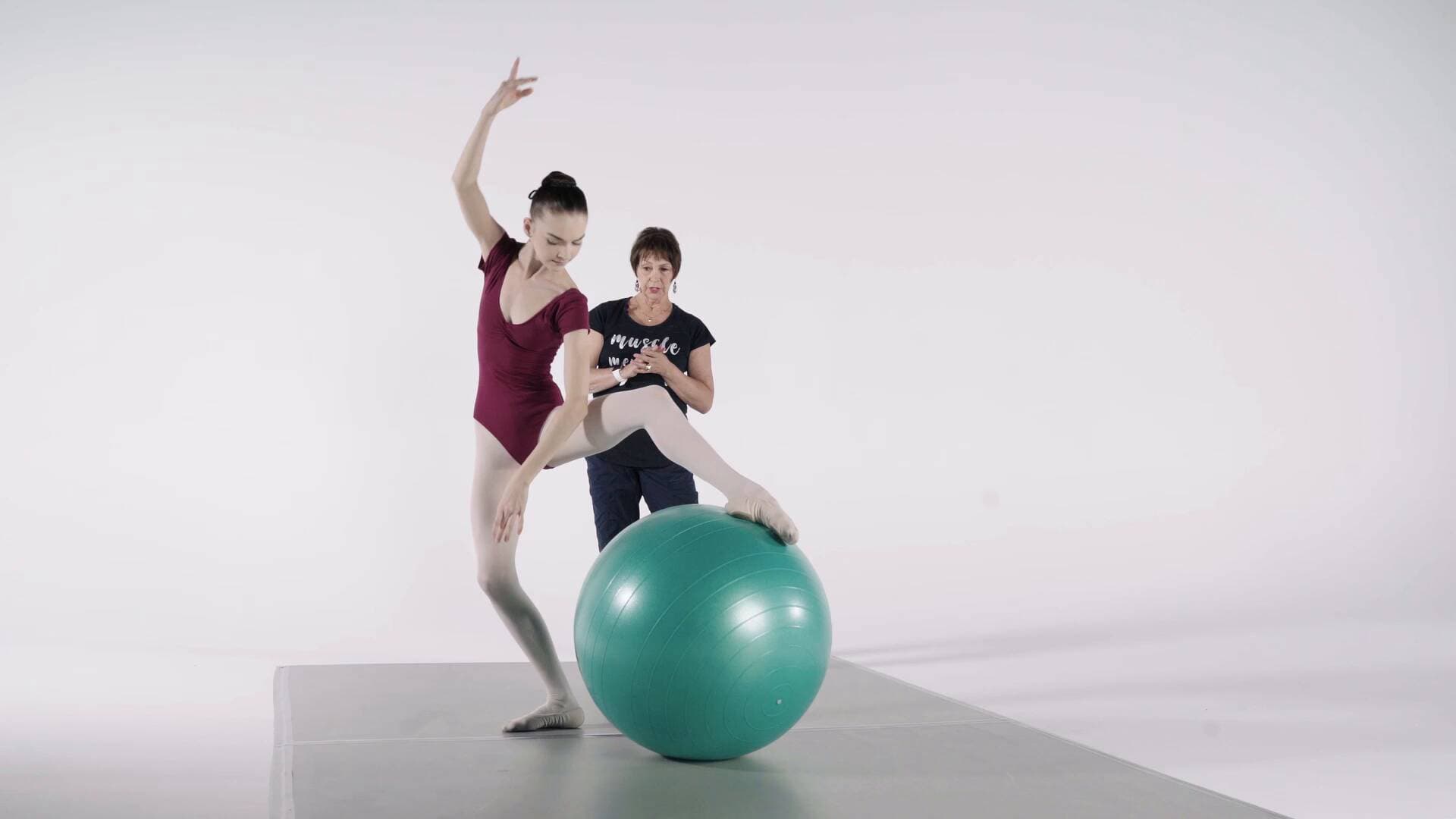
This exercise is pivotal for students to understand and perfect the role of the supporting leg in dance. Stability in the supporting leg is essential for granting the working leg the freedom it requires for movement. This exercise focuses on maintaining a vertical axis of weight placement for balance, ensuring that pelvic stability is not compromised by the upper body. It teaches dancers to be mindful of their centre of gravity, particularly during a rise (elevé), where it should always remain between the first and second metatarsal.
Preparation:
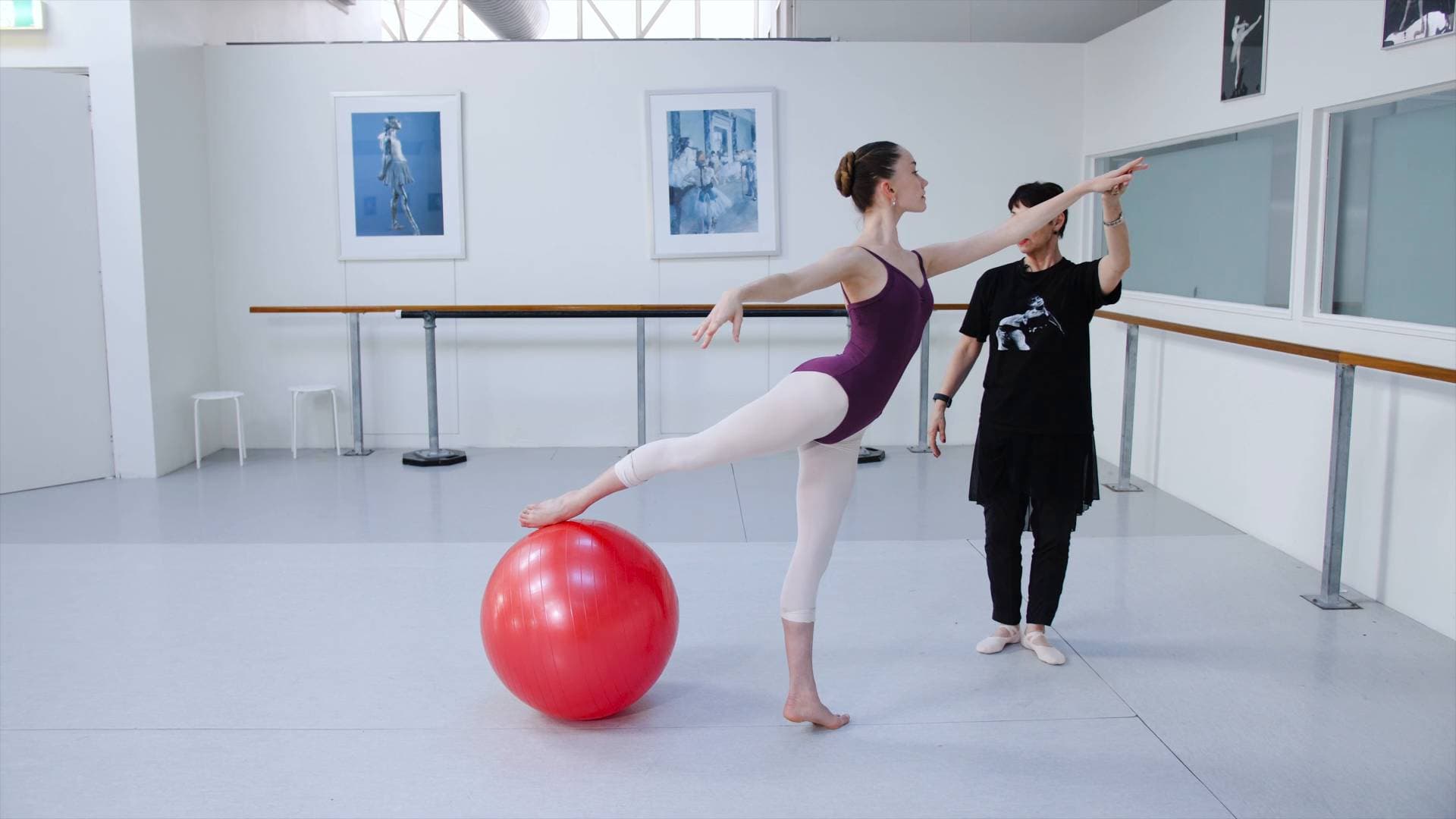
Start with the dancer positioned sideways to the ballet barre, right hand on the barre, and the left leg placed in devant on the fit ball.
Steps:
1. Have students begin with a port de bras from first to second position, ensuring their working leg remains weightless on the ball.
2. Progress students through a fondu (plié) while the upper moves towards the working leg, coordinating the port de bras overhead into fourth position.
3. Instruct them to cambré while checking their pelvis alignment. They repeat from the beginning, rises (elevé) and balance with the port de bras into 5th position and pivots (promenade) to challenge and test their balance, with port de bras variations to enhance upper body coordination and stability.
4. Instruct them pivots (promenade) to face the barre. Repeat the fondu with the port de bras towards the working leg and recover. Repeat with the port de bras towards the supporting leg. Challenge and test their balance with a rise, with the port de bras into 5th position. variations to enhance upper body coordination and stability.
5. Instruct them pivots (promenade) into arabesque alignment. Repeat the fondu (plié) section 3 times. Rise and test the balance and lift the working leg.
6. Repeat on the alternate side.
Focus:
Emphasise the importance of maintaining a straight vertical axis through the body, ensuring the centre of gravity is controlled. Highlight the need for pelvic stability throughout each movement.
Preguntas frecuentes
Comentarios y Preguntas
Suscríbete a nuestro newsletter
Recibe consejos, noticias y recomendaciones.

Derechos de Autor © 2025 Progressing Ballet Technique. Todos los derechos reservados