Abduction & Adduction
Senior
Calentamiento
Compartir
 Senior | Calentamiento
Warm up
 Senior | Calentamiento
Adductor Warmup
 Senior | Calentamiento
Fluidez de Flexores de Cadera
 Senior | Calentamiento
Calentamiento y Equilibrio
 Senior | Calentamiento
Movilización de la Fascia
 Senior | Calentamiento
Descenso Controlado y Equilibrio
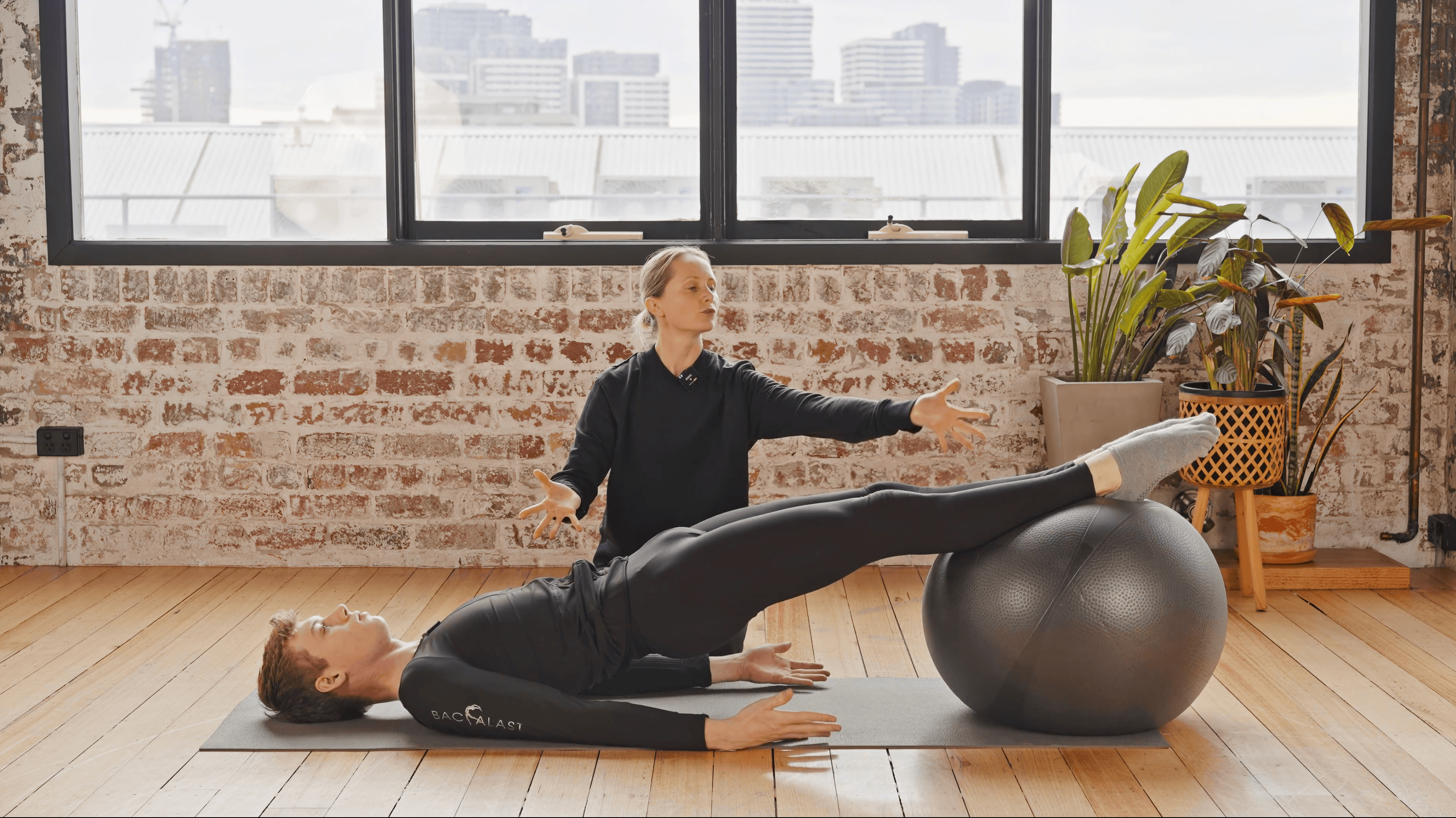 Senior | Calentamiento
Preparación en el calentamiento
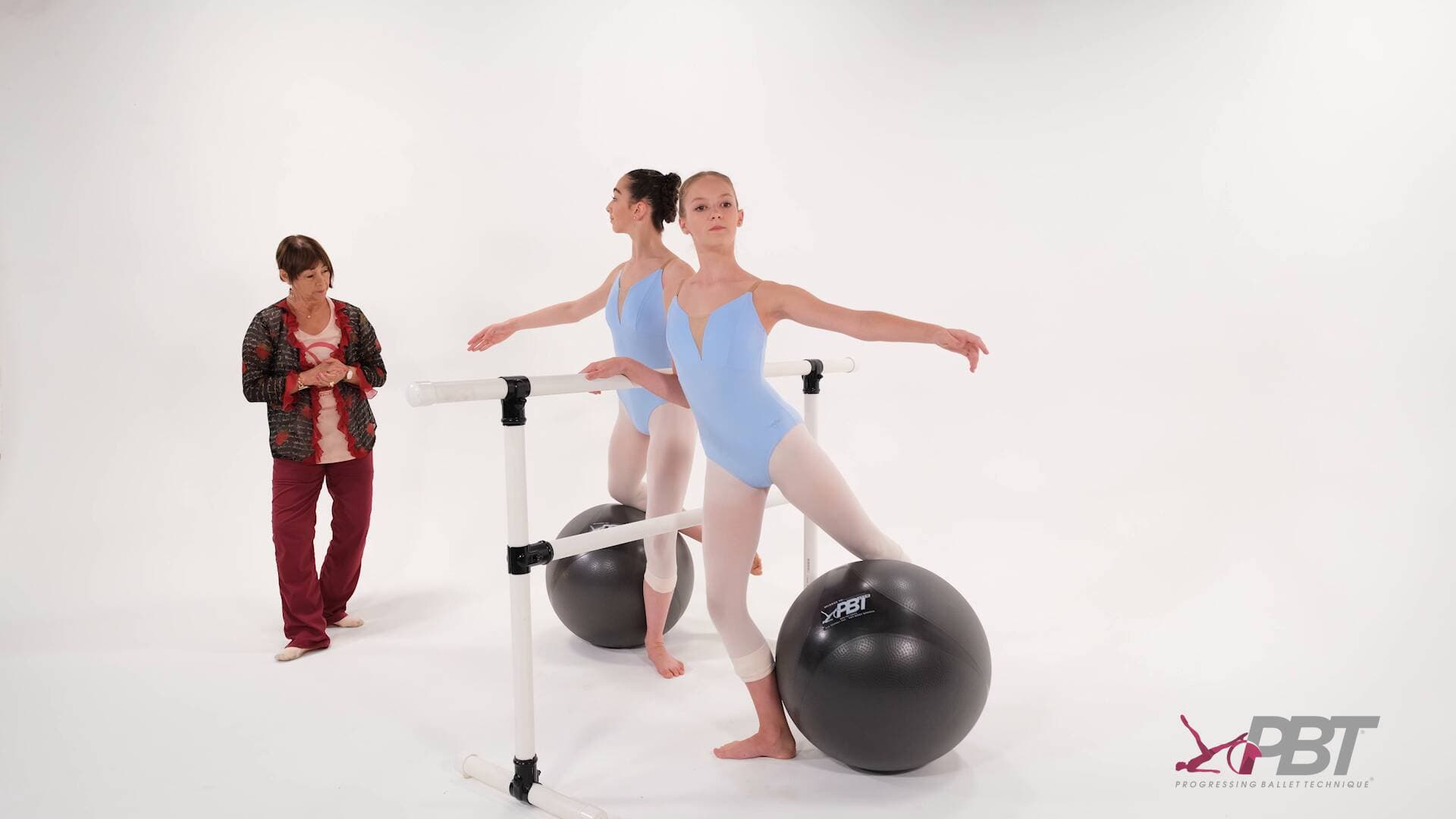 Senior | Calentamiento
Dynamic Iliopsoas Conditioning
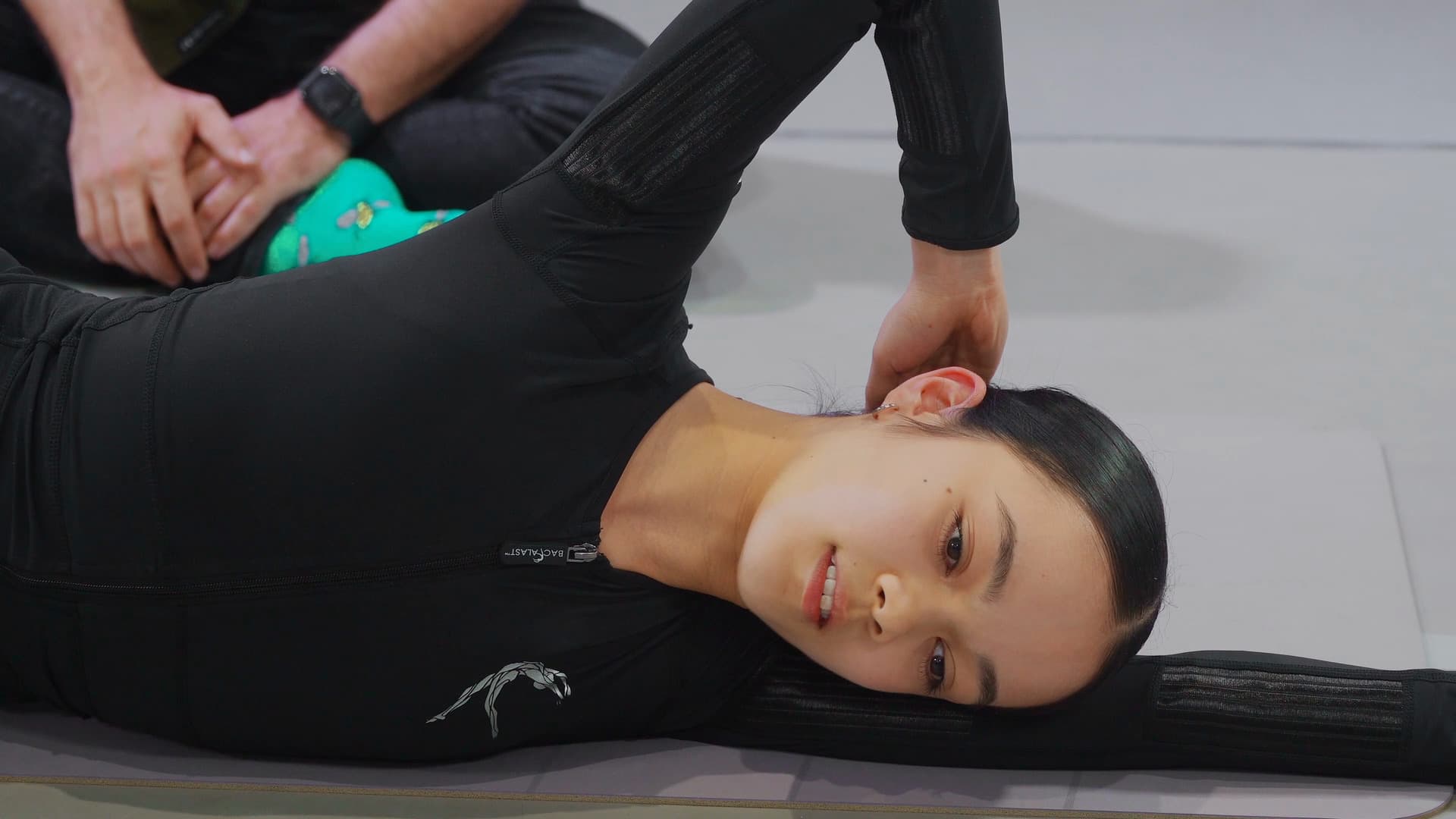 Senior | Calentamiento
Warm-up Core & Adductors
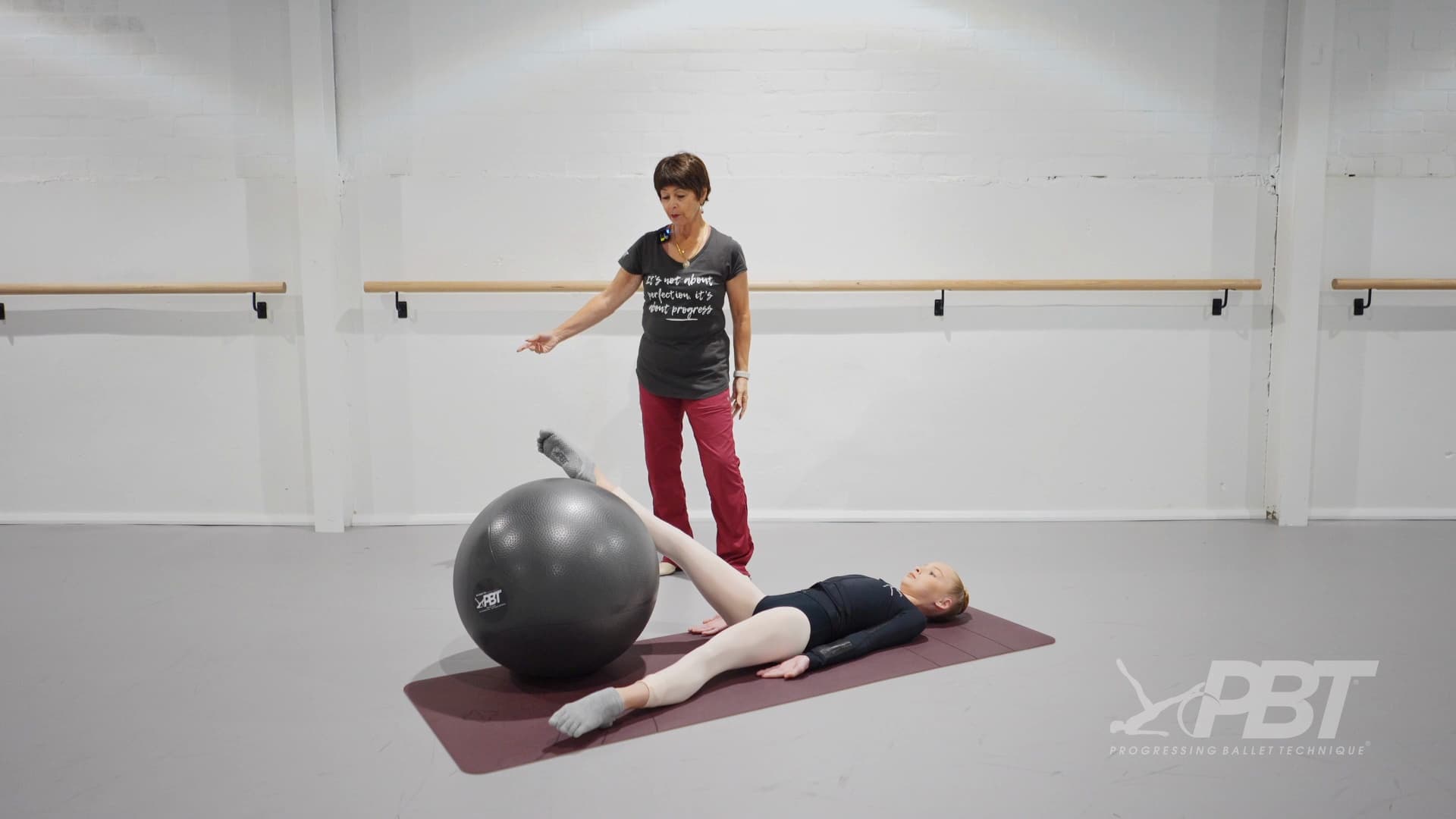 Senior | Calentamiento
Bridge Extension
Música utilizada
Dulcamara (Deux mains à la barre) | Ballet Class app
Equipo Utilizado

Barra de Ballet

Banda de resitencia Media
This exercise is meticulously designed to build stability and strength in the standing leg, crucial for ballet dancers to maintain alignment without any hip drop or hitching. It emphasises the effort of the gluteus medius and minimus, along with trunk, pelvis, and hip musculature, orchestrating what can be likened to a 'perfect symphony' of muscle activity. Understanding the movement terms, abduction (moving away from the midline) and adduction (moving towards the midline), is key to executing these exercises correctly.
Preparation: Position students to face the barre with impeccable posture, attaching the resistance band around the leg of the barre or a similar fixture. The band is then looped around both legs, which should be kept in parallel alignment.
Steps:
1. Guide students to 'lengthen up over the stance leg', reducing the risk of 'sitting' into the supporting leg. This initial upward lengthening is crucial for maintaining proper posture and alignment.
2. Instruct on performing 6 slow abduction activations with the left leg, ensuring the hips remain aligned throughout the movement. This phase targets the lateral hip muscles, enhancing stability.
3.After completing the abductions, remove the leg from the band and adjust the feet to a second position in parallel. Now, focus on the right leg to perform 6 adduction activations, carefully transferring weight while keeping the hips aligned. This movement strengthens the muscles responsible for drawing the leg towards the bodies midline.
4. Place both feet back into the bands, turning to face the right side. Lift the right leg out of the band and step to the right side in parallel, preparing for the next stage of this exercise.
5. Execute 6 derrière movements with the left leg remaining in parallel and the foot flexed. This targets both the hamstrings and gluteals, working them simultaneously for increased stability and strength.
6. Incorporate a slow rise followed by a slow plié, reinforcing the importance of control and muscle engagement throughout the range of movement.
7. Finally, reposition to repeat the sequence on the alternate side, ensuring balanced muscle development and stability.
Focus: Emphasise the importance of maintaining hip alignment, gradual movement through each phase, and the significance of 'lengthening up' to prevent reliance on the supporting leg. Adaptations for less stable students include starting with midrange movements and a reduced strength resistance band, gradually increasing resistance as their strength and stability improve.
Preguntas frecuentes
Comentarios y Preguntas
Suscríbete a nuestro newsletter
Recibe consejos, noticias y recomendaciones.

Derechos de Autor © 2025 Progressing Ballet Technique. Todos los derechos reservados