Strength Training for Dancers

The Gym: a space often only frequented by dancers looking to get some extra cardio in or perform some attention seeking stretches. Don’t worry, no judgement! I’ve been there many a time, wobbling on the bosu ball, gingerly picking up the odd dumbbell before hastily putting it back and retreating to what I knew best: a mat and a theraband.
Indeed, despite the sea of science-backed machinery available, dancers still tend to make a B-line for the treadmill, splitting up their incline walk or light jog with a few unnecessary split stretches that look good on the gram.
Now, don’t get me wrong. I am not asserting that this is the approach that all dancers take nor that it is their fault should they fit the stereotype. No - years of careless misinformation and fear mongering surrounding strength training and bulking has managed to drown out or at least shout over, courageous voices that speak of the potential benefits of strength training.
The truth is that strength training, otherwise termed weightlifting, has a multitude of benefits for dancers seeking to prevent injury, boost muscular endurance and enhance their performance. Today, we explore the who’s, how’s and why’s of strength training and the secret to fast tracked progress.
How to Strength Train as a Dancer
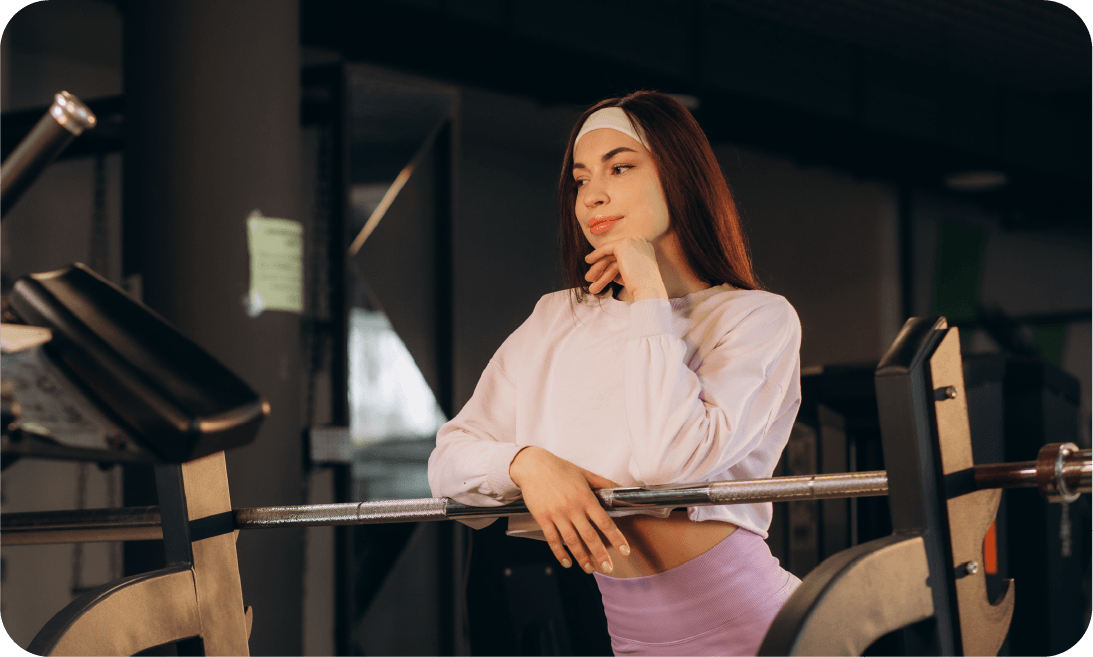
Much of the resistance to weightlifting amongst dancers stems from the belief that strength training comes in one form and creates one aesthetic: the burly likes of Arnold Schwarzenegger. This is simply not true. Yes, if you train like a body builder and eat like a body builder, you will likely end up looking like one but this does mean that the moment you pick up a weight, your muscles triple in size. It takes a lot of weight and a lot of protein to accumulate that degree of muscle. So what should strength training look like for dancers? The answer: varied, progressive, tailored to their needs.
When training, dancers can choose to perform body weight, free weight (dumbbells/barbells) or machine-based exercises. Free weights require more core stability, often making exercise in which they are involved more challenging. However, more challenging does not always mean better. If the goal is simply to gain strength, machines will allow the dancer to strengthen their muscles without the risk of falling, resulting in a safer and sometimes more targeted workout. The most effective exercise will depend on the specific goal the dancer is hoping to achieve.
How each training session is programmed and periodised will also be key to ensuring smooth progress and minimal risk of injury. A typical training split might be: upper body Monday, lower body Wednesday and full body Friday. However, exact splits can be varied and adjusted according to the individual's goals. Dancers may also choose to work on specific muscle groups during different days of the week or opt for a lighter full body session two out of 3 days of the week depending on how fatiguing their existing schedule is.
If a dancer knows they are performing a fast-paced virtuosic number like Kitri on Thursday, they may opt for a lower body strength based session on the Monday to build the power needed to excel in such a dynamic performance.
Initially, it can be difficult for dancers to break free from the all-or nothing mentality that equates not exhausting themselves fully with laziness or weakness. However, with the right support and structure the improvements in strength, stability and control will be the proof needed to sustain a change in mindset.
The Science Behind Strength Training for Dancers
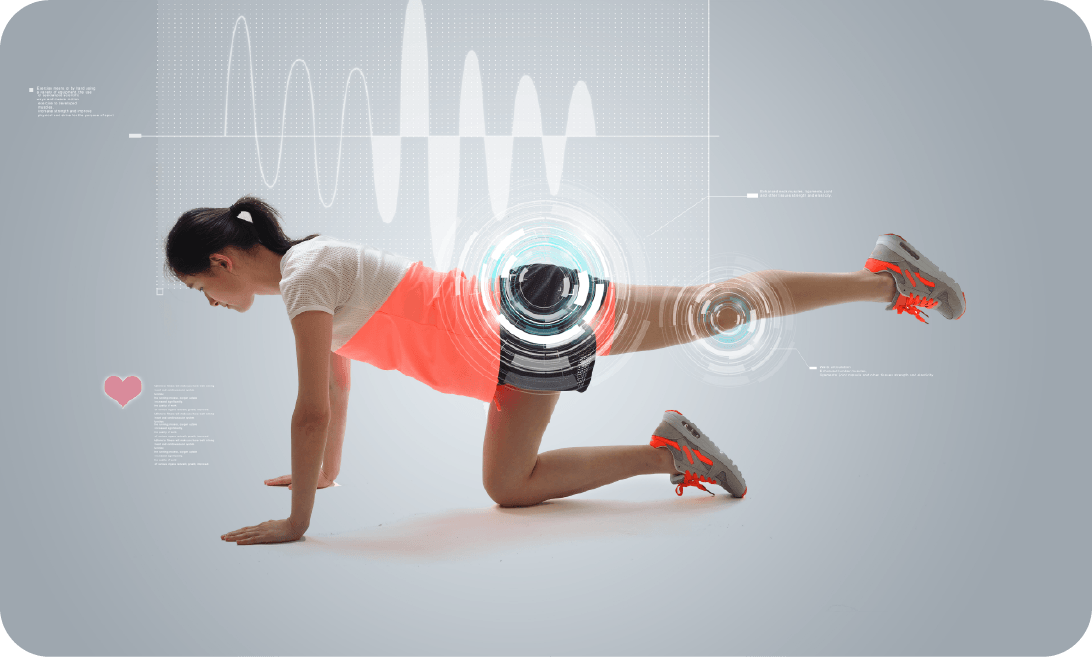
Strength training and hypertrophy training, as touched on in February’s blog, uses the principle of progressive overload to increase the cross-sectional area of individual muscle fibres over a period of time. Following the principle, variables such as time, weight or intensity should be gradually changed by up to 10% to allow for safe tissue adaptation. Progressions are typically made on a weekly basis to minimise the risk of injury and are adjusted in accordance with the client’s performance and individual goals.
Although similar, strength training aims to increase the neuromuscular coordination and force-output/power of a muscle, whilst hypertrophy is concerned with increasing muscle size. As such the number of repetitions and the rest period between sets will differ between the two training styles. As both training styles rely on resistance and overload, one will typically induce the results of the other, particularly in beginners.
There are three main stressors involved in strength training:
- Mechanical tension,
- Metabolic stress and
- Muscle damage.
The first, and arguably most fundamental, refers to the force output created by lifting weight through a full range of motion. Metabolic stress concerns the anabolic state (muscle building) triggered by the accumulation of metabolites (lactate and hydrogen ions) during a training set. This can be translated as the burning sensation felt during high-repetition or heavy sets.
Optimising Results: PBT and the Power of the Mind
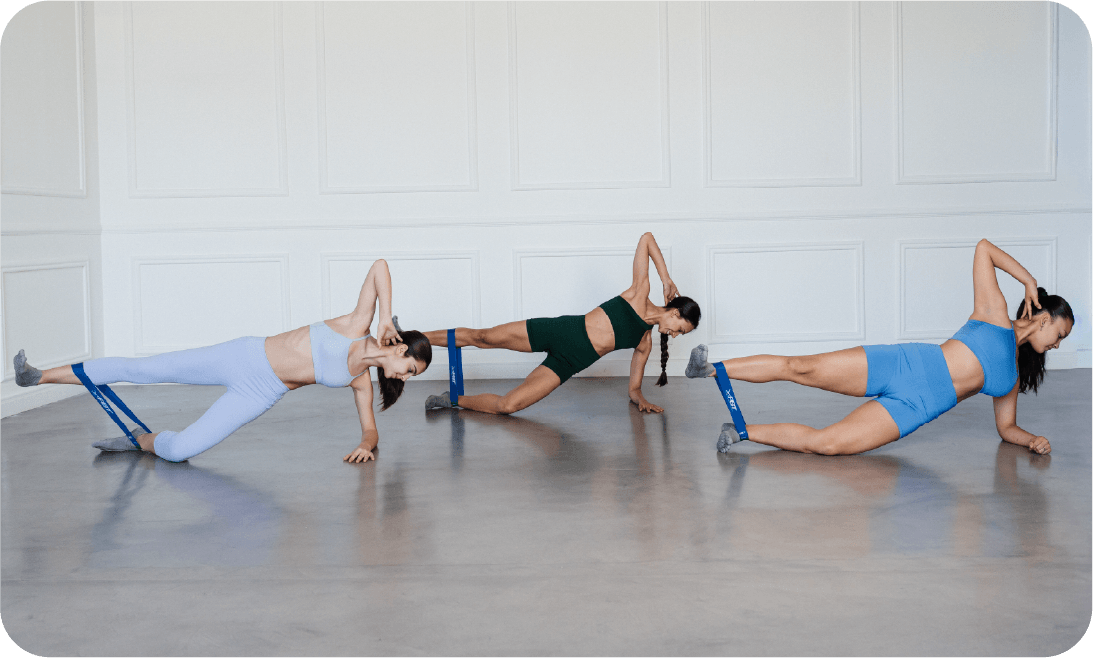
Strength training does not only utilise the body but also the mind with research suggesting muscular activity and subsequent force output can be increased by 22% simply by shifting the attentional focus to that area of the body. This unique power source is known as mind-muscle connection and can be tapped into both during the execution of an exercise (concomitant motor imagery) and prior (motor imagery), resulting in improved neuromuscular efficiency.
Recognising the power of the mind in boosting dance performance, PBT’s founder Marie has created targeted strengthening exercises that harness this very principle. Using specialised PBT equipment, dancers can deepen their awareness of their pelvic and spinal alignment, and tune in to the muscle groups that are supporting and facilitating each specific movement. For younger dancers and dancers returning from injury, PBT provides a crucial opportunity to reconnect with their bodies, establishing the fundamentals of dance technique and expanding on these to improve core stability, enhance control and increase explosivity, all without straying from the heart of dance: freedom of expression and enjoyment.
Therefore whilst PBT may not incorporate the same weight and intensity variables as strength training, the mind-muscle connection established during PBT exercises can then induce increases in force output during strength training. More than just proving the importance of mindful training, the complementary nature of the two training styles further supports the need for comprehensive, varied cross-training for dancers.
Tips for Starting Strength Training:
1) Start light and go slow. Most early injuries are caused by increasing the volume too much too soon. Start with one full body strength training session a week and progress to two and then 3 as your body adapts. There is no need to rush.
2) Fuel your body. Increased stress on the body must be supported by proper nutrition. To ensure sufficient muscle repair and growth, aim to eat between 1.6-2.2 grams of protein per kilogram of body weight e.g 96 - 132 grams for someone weighing 60kg. Natural protein sources like lean meats and legumes are generally better than processed protein bars and milkshakes.
3) Prioritise recovery. Muscle grows during recovery not training so ensuring you are getting adequate sleep (7-9 hours) and resting between training sessions is crucial to optimising your results.
4) Stay consistent. Progress requires patience and consistency. Don’t beat yourself up for not improving straight away. Trust the process and results will follow.
5) Have fun!
By Elise Smith
Sign up to our newsletter
Receive tips, news and advice.