Are Dancers Allergic to Rest?

I would hazard a guess that this year, jumping higher, turning faster and staying injury free are all top of your Christmas list but... what if you knew that you didn't have to wait a year to make those dreams a reality. What if there was something you could do right now to boost your performance. Would you do it?
More and more, rest is becoming a key component of fitness organisations and health clubs with new techniques like red light therapy and cold plunges taking social media by storm. So why has the dance community not caught up? Why are dancers still resorting to rollers and massage balls as their only means of recovery?
Today, we take a deep dive into the classic holiday tale of sleigh bells and sore muscles and explore how not resting is impacting your progress in 2026.
The Non-Stop Dancer
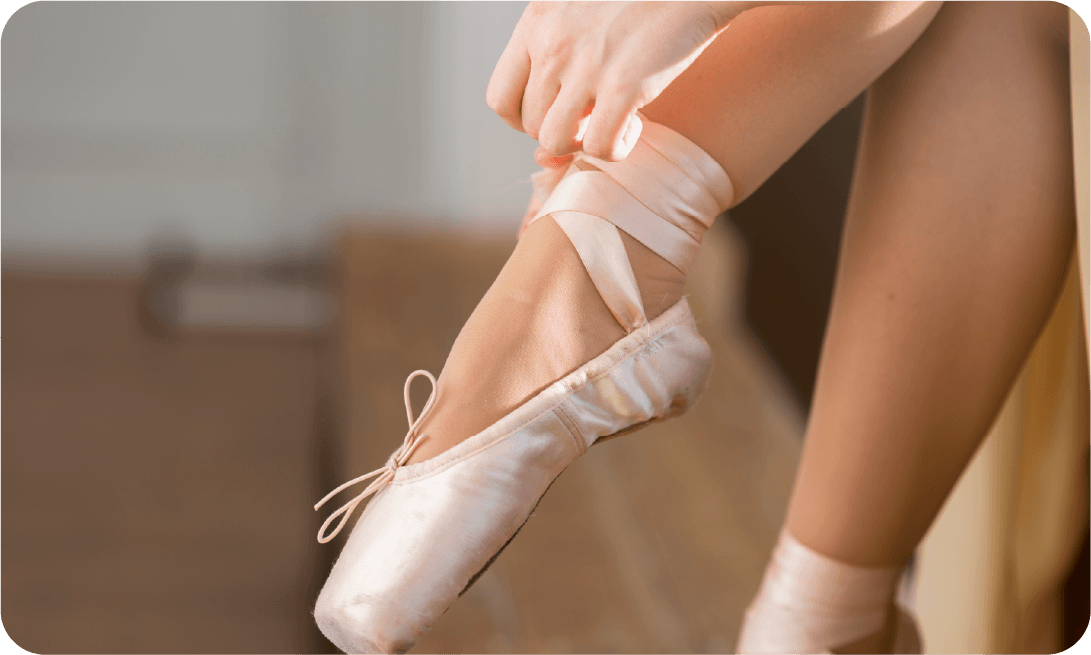
As a dancer, I whole-heartedly clung to the no pain, no gain and rest is for the wicked mentality and while it served me well for a period, it, like all unsustainable practices came to a painful end.
Looking back I am not sure whether I was driven more by a motivation to be the best or by a fear of being the worst, but whatever the case, I would spend every waking moment in the studio Monday-Sunday perfecting the minutiae of each step. I found a thrill in it: the thought that something could be made better, more beautiful, more perfect. All warnings that I was under-fuelling and over-exercising were drowned out by what I understood then to be an artist’s determination but now recognise as reckless stubborness. My friends knew me as obsessive and I proudly wore that crown as evidence that I was not and could never be deemed lazy.
When I was 21, after refusing countless days off and whittling my social calendar down to a grocery shop with friends, I suffered an ankle injury. At first, I thought it a minor sprain but 6 months later, I was diagnosed with a torn ligament and a subsequent ganglion cyst that required surgery. My world changed during that time: I couldn’t dance, I couldn’t run, I couldn’t do my regular grocery shop, I was alone in my apartment in a foreign country wishing I was anywhere else. My ankle has never been the same since, and while I am now so much healthier and happier, I still long to shake that girl in her room doing calf raises until she couldn’t take the burn anymore.
This is not meant to be one of those ominous I told you so stories but rather real-time evidence for the importance of resting. In-fact every athlete I have spoken to since has said a similar thing:
If you don’t learn to rest, your body will eventually teach you how to; it’s the smart thing to do and only smart dancers make it.
Should Dancers Take a Day Off?

To answer this question, we first need to understand what recovery means.
Recovery is the body’s means of restoring homeostasis: the state in which the body can optimally function. Resting, alongside nutrition, rehydration, and protein synthesis are all essential to ensuring that the body’s internal systems can return to a state of equilibrium following physiological stress.
This means, much to the chagrin of many a can’t stop, won’t stop dancer, that muscle growth and strength gains are actually made during the rest period after exercise.
To avoid convoluting the importance of recovery and thereby diminishing it, let’s use a fun and dancer-specific metaphor.
Picture this:
you are on stage performing the Rose Adage from Sleeping Beauty and you’ve arrived at the fan-favourite balance section. You steady yourself, lightly holding the hand of your first partner before gracefully letting go and wowing the audience with your own powers of equilibrium, but… something’s wrong. Partner two hasn't shown up and you’re forced to maintain that balance for far longer than your body anticipated. You can feel your toes through what’s left of your shoe, your ankles tentatively rocking, your heart heavy in your chest and...thud, you hit the floor, your hands flared, your knees grazed and your sternum recoiling from impact. Now what would have happened if partner two had showed up? The answer: balance restored, breath reset and confidence renewed. In this scenario, the attitude balance is homeostasis, letting go is physiological stress and partner two is rest.
What Happens if I Don't Rest?
If, following exercise or other kinds of physiological stress, the body is not given adequate time to recover and resolve the inflammatory response triggered by exercise, then the body’s immune system and adaptive responses are greatly compromised.
Over time, a consistent lack of rest in the form of insufficient nutrition, sleep, or dehydration, can lead to increased soreness, chronic inflammation, non-functional overreaching and overtraining. With a weakened immune system, insufficient protein-synthesis and inadequate cellular repair, the body is far more prone to illness and injury.
Signs You Need to Rest

Don't forget! The body is very clever and whilst grind culture may have conditioned us to ignore signs of fatigue and burnout, physical symptoms such as prolonged muscle soreness and joint pain are key indications that something needs to change.
Are you always tired? Do you wake-up tired? Have you noticed your ability to perform your best has wavered no matter how hard you train? Do you find yourself ill frequently? Do you suffer from head-aches or other physical pains? Are you more irritable than you used to be? Does your mood change frequently?
While not an exhaustive list, these are all symptoms of needing more rest.
Other less obvious symptoms include things like sugar-cravings. While the odd sweet treat should not be demonised, an overwhelming or constant urge for a sugary snack could be an indication or depleted fuel reserves as a result of insufficient rest.
What is the Best Way to Rest?
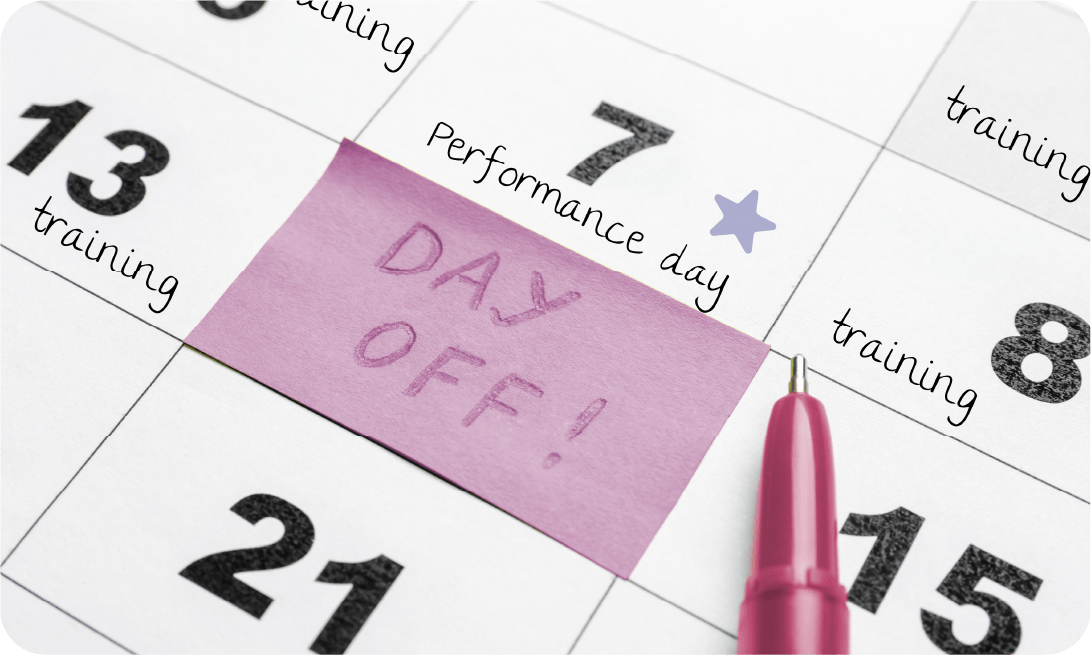
Understanding how to rest is crucial to optimising your recovery. There are of course different types of rest, ranging from short rests between exercises to much longer rests between performances and competitions.
Rest days or activities, like any other training day, should be programmed into your timetable to ensure that you are both maximising your time and adequately refueling your body.
Missing rest should be looked at with the same significance as missing a training day: a potential set-back, costly and a hindrance to progress. Whether it’s a Sunday or earlier night post-matinee performance, it is crucial that you are actively and intelligently implementing rest into your calendar.
Where people go wrong and perhaps the root of the restless cycle is equating rest with doing nothing. While it can feel good sometimes to lounge around, active recovery in the form of low-intensity exercise such as walking, yoga, swimming or cycling has been proven to enhance blood circulation, expedite nutrient delivery and improve the removal of waste-products like ammonia and urea. The perfect solution for busy-bodies, active recovery means you can recuperate on the go.
Active Recovery with PBT
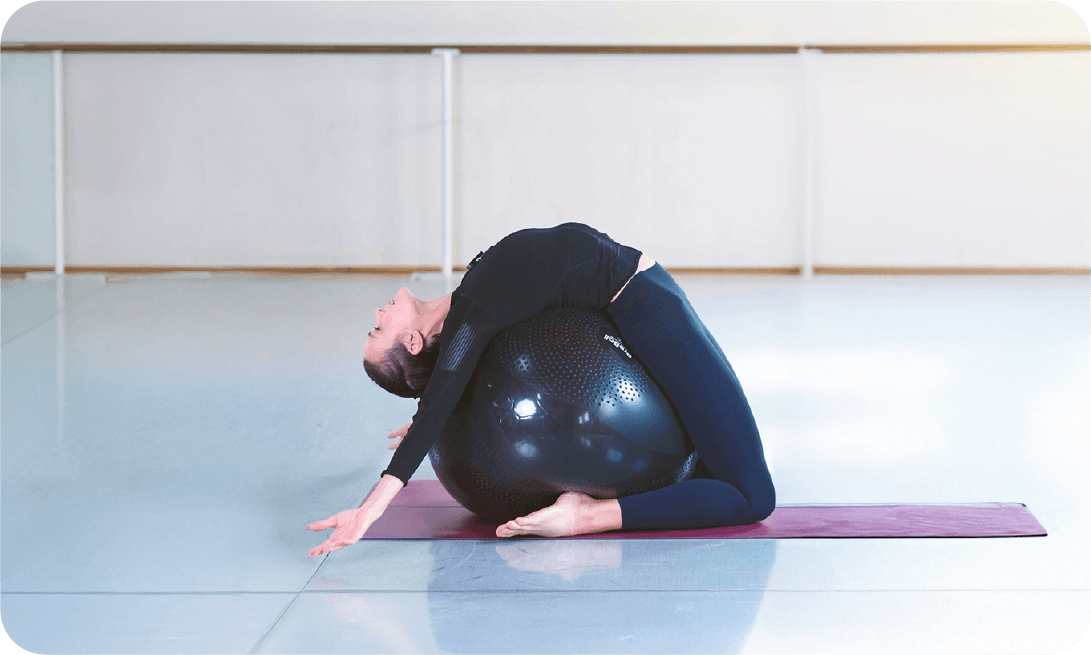
Recognising both the importance of recovery and how difficult it can be to implement, PBT has created expert-led recovery classes curated with dancers and fitness enthusiasts in mind.
Students will be guided through a series of exercises designed to reset the spine and pelvis, restore neutral alignment and release tension in the muscles to help return the body to its optimal state. Our classes provide you with an opportunity to switch-off and wind-down, to restore and regenerate ahead of what promises to be an exciting new year. Whether you’re struggling to fit in a 30 minute yoga-sesh, too time-strapped to run that extra indulgent bath or just need a break from rehearsals, connect to the PBT platform and you’ll be whisked away to a world or hip opening, leg stretching, spine realigning goodness.
Wintry Words if Wisdom
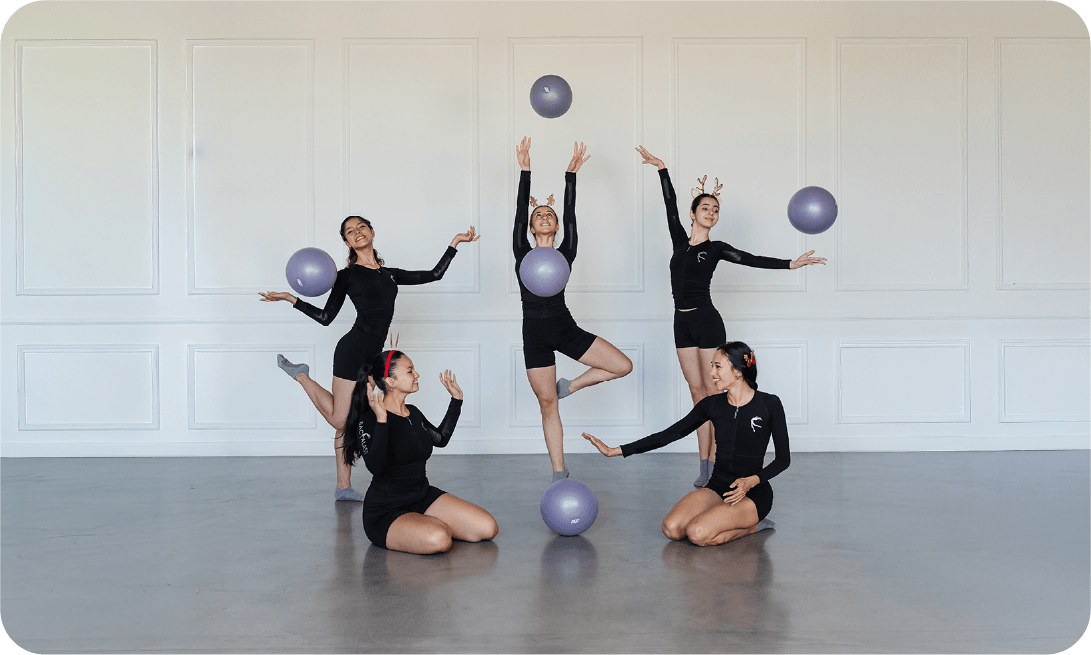
Wherever you choose to spend your holidays this year, remember to prioritise rest and recovery. Yes...Santa may work one day of the year, but dancers never stop, so even if it means going to bed earlier one night or not doing that extra optional class, resting is key to ensuring you can perform your best all year round.
Not sure where to start? Try a PBT recovery class and feel the release first-hand.
Sign up to our newsletter
Receive tips, news and advice.